
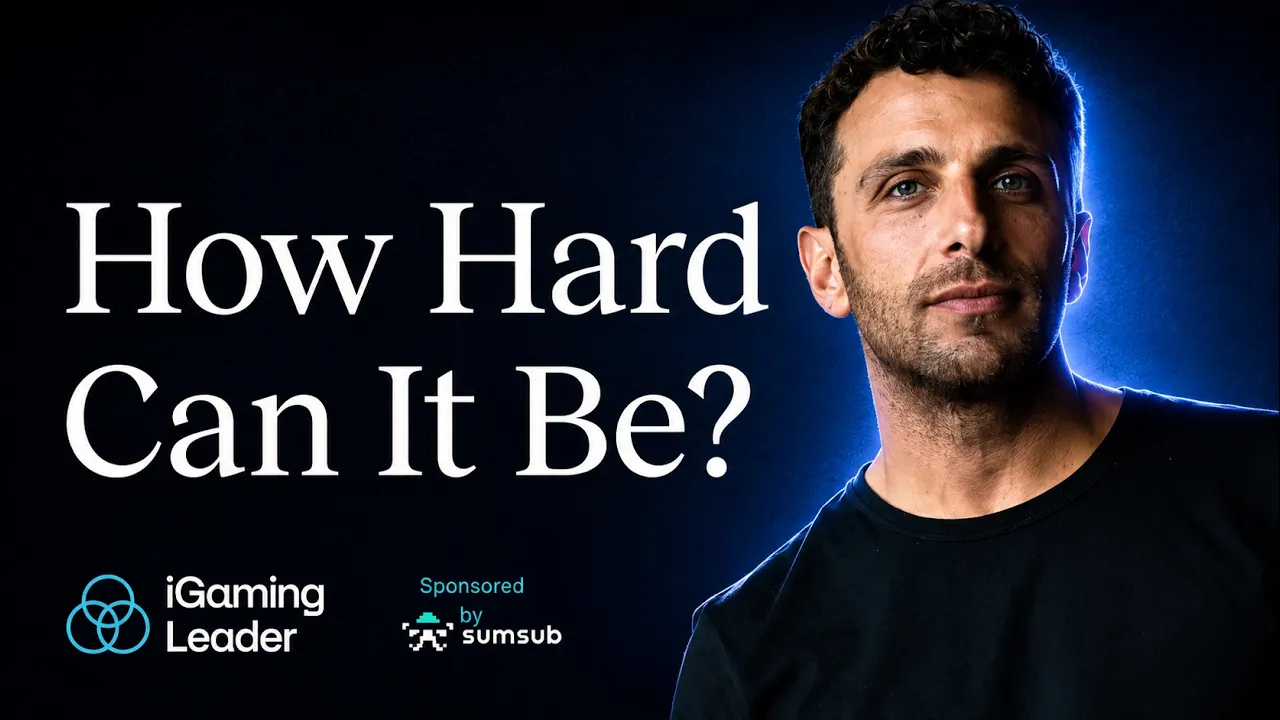
Why Most Founders Are Wrong About Who Should Lead Their Company
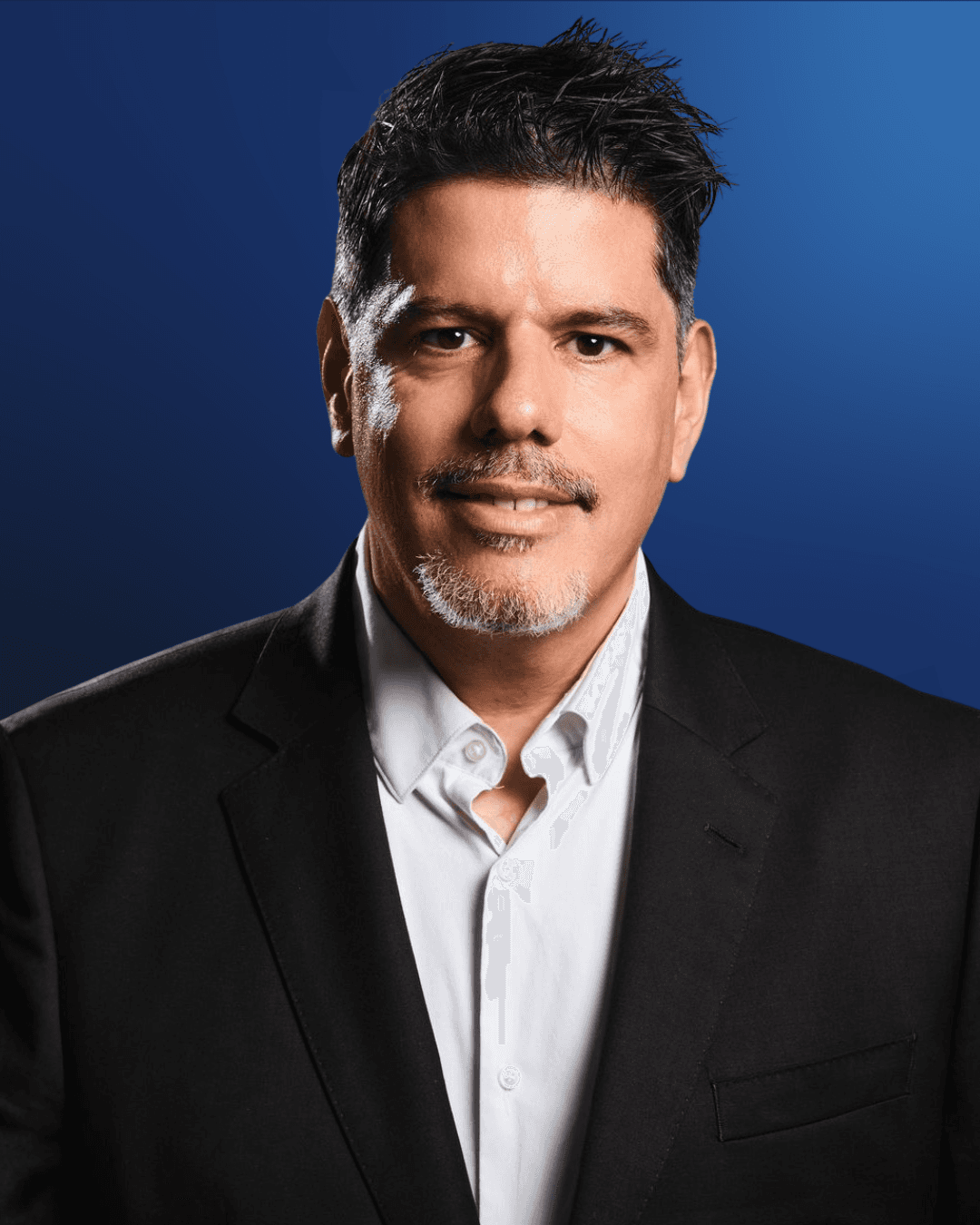
Ramiro Atucha is a gaming industry executive and strategic advisor with more than 20 years of experience building and scaling businesses across Europe and Latin America. He co-founded Leander Games and later co-founded Vibra Gaming, helping build both into recognised industry names. He stepped down as CEO of Vibra in mid-2025 and launched Atucha Strategic Advisory in November 2025, where he works as a board-level advisor to operators, suppliers, and investors focused on growth strategy and market expansion across Latin America.
Key topics discussed
00:00 – Stepping down from two companies you built: what it actually feels like.
03:00 – The Argentinian restaurant story: how Ramiro saved a Mastermind dinner in Barcelona.
05:00 – The morning you post on LinkedIn that you're leaving the company you co-founded.
07:00 – The accidental marriage proposal: why the best decisions aren't always decisions.
09:00 – As CEO, the ultimate responsibility is always yours. The cost of that over time.
11:00 – Ego vs. self-esteem: why anything driven by ego is cursed.
13:00 – Bringing Steven Matsell in as CEO at Leander in 2012 and stepping into the COO role.
15:00 – Landing Betsson, PokerStars, and VideoSlots: the pressure of delivering on a new scale.
16:00 – Knowing when you're not the right person to lead the next phase of your own company.
18:00 – Essence preservation: what happens when majority shareholders take the company in a direction you can't stop.
20:00 – Fundraising mistakes Ramiro would fix if he were starting Leander today.
23:00 – Launching Atucha Strategic Advisory: why he chose five clients over thirty.
26:00 – Leaders cannot be seen in doubt. The case for confidential peer spaces.
28:00 – LATAM regulators are making the same mistakes as the UK and Germany.
31:00 – Brazil: church politics, $5M licences, and why 60% of the market stays unregulated.
33:00 – Where founder CEOs spend their time incorrectly and where they should overspend it.
35:00 – Alex Tomic and the Alea model: how to untie a founder's hands without losing them.
36:00 – If you were starting Leander today: fight harder for your equity from day one.
38:00 – Validating yourself in new rooms. Why Ramiro loved not knowing anyone at Indian Gaming in San Diego.
Key takeaways
Ego vs. Self-Esteem: Ego prevents founders from making the right call about their own leadership. Self-esteem allows you to acknowledge you messed up, accept it, and still back yourself. The leaders who confuse the two end up staying in roles they should have left years earlier.
The "Miyagi Transition": There is a phase in every founder's career where the greatest contribution is no longer leading from the front, but supporting the person who is. Recognising that shift, and making it willingly, is one of the hardest and most valuable decisions a leader can make.
Essence Preservation: Founders who do not hold majority control cannot ultimately protect the spirit of what they built. Equity is not about power or ego, it is the only mechanism that allows you to defend the direction of your own company when majority shareholders disagree.
Raise in Stages, Not All at Once: Taking investment that gets you to the next milestone, rather than all the way, allows you to defend a higher valuation at each subsequent raise. Protecting your equity from the very first conversation is a lesson most founders only learn too late.
The Confidential Peer Space: A CEO cannot show doubt to their board, their team, or their investors. The only place genuine vulnerability is safe is a confidential peer group of people who understand the industry and have no stake in the outcome. Without that, founders carry the weight entirely alone.
LATAM Regulation Is Repeating History: Brazil and other Latin American markets are making the same regulatory mistakes as the UK and Germany: high licence costs, excessive compliance burdens, and advertising restrictions that push consumers toward unregulated operators rather than away from them.
Memorable quotes
"It's always painful to realise that the company you created, you grew as a baby, that you put the hours and the time into... that you're not the right person to continue to lead it."
"I hate the word ego. Anything driven by ego is cursed. Self-esteem is a lot better. My self-esteem is bulletproof. Nobody loves me more than myself."
"You need to know: 'I really messed up here. Really messed up.' I still love me. That's what allows you to accept that you messed up."
"As CEO, the ultimate responsible is you. If a bill is not paid, you cannot hide behind finance."
"Imagine you're in a boat and all of a sudden the captain says: 'I have no clue where we are.' People will start jumping out of the boat."
"I didn't feel the need to do it again. With Vibra, I felt the need to prove my stripes as CEO. After Vibra, I didn't need that anymore."
"The company needs to make more money by working with me than they did before. That's how I'll be judged."
Important links
Episode Transcript
Read transcript
Ramiro Atucha: [00:00:00] It's always painful, to realise that the company that you created, you grow as a baby, that you put the hours, the time, that you're not the right person to continue to lead that company.
I was a lot younger, and I was a crazy Argentinian with the alfajores, the dulce de leche and showing games.
We needed an English guy in his fifties, not that crazy Argentinian in his thirties.
Ramiro Atucha: As a CEO, the ultimate responsible is you. If a bill is not paid, you cannot hide behind finance. Something gets delayed, there's an HR problem, there's a problem with financing, funding, whatever.
Imagine you're in a boat and all of a sudden the captain says: I have no clue where we are and how to get... people will start jumping out of the boat.
If you talk to your wife she'll support you, but she doesn't understand your industry. you talk to your team employees, managers, they'll panic. And eventually it will backfire 100%.
The feeling I have towards the end is that if it had been a proper job, I would have resigned you know, long ago.
I hate the word EGO and I think that anything driven by ego, is cursed.
Self-esteem is a lot better.
You need to know, Oh, yeah, I really messed up here. Really messed up. I still love me.
That allows you to accept that you messed up.
Leo (2): Hey, welcome to the [00:01:00] iGaming Leader Podcast I'm your host, Leo Judkins, founder of the iGaming Leader Mastermind. And on this show, I sit down with some of the most inspirational and forward thinking leaders in our industry diving into the real challenges, high stakes decisions and lessons. That shape our
industry
If you are a VP Director or an Executive in iGaming this podcast is built for you.
Before we dive in, a quick thank you to our sponsor Sum Sub, the full cycle verification platform. Trusted by top iGaming operators worldwide, sum sub helps onboard players quickly stay compliant and prevent fraud all without slowing growth.
More information in the description. .
Leo: Welcome to the iGaming Leader Podcast. Six months ago, my guest stepped down as CEO of the company he co-founded and spent f- uh, five years building. Most founders fight to keep the chair, he stepped aside from two of them. A really sharp, sharp strategist, deeply respected across the industry, a very humble family man first.
He's also a member of our iGaming Leader [00:02:00] Mastermind. Ramiro, welcome to the podcast, mate.
Ramiro Atucha: Thank you very much. Thrilled to be here and always enjoy having a chat with you in any context, even this one. So happy to be here.
Leo: It's, uh, it's, it's, I m- it's been so great meeting you from the very first time to a kind of, our first time in Barcelona uh, forget how you saved us at that, uh, at that restaurant with, uh, with all of our mastermind
members.
Ramiro Atucha: I, I put...
Leo: that, how was that for you, our first in-person meetup?
Ramiro Atucha: that was fun because I was still not a member, but you invited me to, to, to be able to meet the team and, and understand a bit more what it was about. And, uh, uh, you, you had a pre-event I couldn't reach, so I, I go to the restaurant just to find out that, that there was a problem with the reservation.
fortunately, it was an Argentinian restaurant, so I, I pulled up my, my Argentinian stripes and bonded with, with the guy and, and, and, uh, he, uh, he was very helpful and very accommodating, but, but it was a full house and somehow we, we managed to fit what, what was it? A fifteen people table or something like that.
So was a great meal and, and yeah, I mean, uh, I, I, I'm glad I could [00:03:00] help.
Leo: Yeah, it was amazing. Thanks, thanks
Ramiro Atucha: That was good.
Leo: um, it was great driving, driving the taxi back with you as well was, was amazing, just getting to know you a little bit more. And this is, really where, where I also found out m- how much of a family man you, uh, you are.
And so we'll dive into that a little bit because, you know, obviously for all of us in gaming, and especially you now with your advisories, a lot of travel, balancing that with family life, having moved over to Valencia recently, you know, with your entire fam-- that all of that is tricky. Um, but I'd like to kinda in, uh, in July twenty twenty-five, if that's all right.
The morning of the day that you posted on LinkedIn that you were stepping down as Vibra CEO. What's-- Um, tell me a little bit more about that. How, how is that for you? How is that process after having been part of that business for so long?
Ramiro Atucha: It, it's always painful, you know, to, to, to realise that your face at the company that, that you created, that, that you see grow as a baby, that you put the hours, the time, to realise that, that you're not the right person to continue to lead that company, know. It, it, it happened to me at Leander [00:04:00] where when, when I invited my, my good friend Steven Matsell to lead, I had the feeling that I wasn't the right CEO at that time.
so, uh, twenty twelve, I believe, I, I me and, and, and the other partner invited Steven to join as CEO. uh, and, and later on in two thousand nineteen, me realising that m-my time with the company, w-wasn't, uh, wasn't the right one, right? I mean, sometimes-- I mean, years go by and expectations, uh, and, and everyone's career growth, sometimes they grow aligned, sometimes they grow in a different direction.
I wanted to go in a different direction with the company. It wasn't shared with my partners. Um, you know, you do the sensible thing of having the conversations, alternatives, et cetera. But I wasn't willing to stay bitter about the direction that I wasn't comfortable with, and I didn't wanna argue with the guys, and they're good guys.
Um, so I agree the transition over. And something similar ha- Well, I created Vibra with-- co-created Vibra or Vibra. Uh, and, uh, a-after some ti-- And, and, [00:05:00] and with that, I executed a, a lot of the things that I wanted to do with Leander. Uh, Uh, And after some time, situation, you know, where there's a misalignment, you know, with, with the, the majority shareholder.
And again, you know, in-- it's always my spirit to be very mindful those who trusted me to lead the project, uh, to... invested in the project And, um, I'm very mindful of the transitions. You know, transitions need to be very collaborative, need to be very mindful, and, uh, with a lot of cons- consensus.
and painful, but, but I, I always like to say that none of the best decisions I've made in my life, I made.
So, uh, I mean, I, I didn't choose to leave Leander. It was a context where I felt I couldn't continue in that capacity. Uh, uh, so it's not that I was kicked out, but, but it wasn't a context where I was comfortable continuing, so it wasn't a situation of my choosing. Similar with, [00:06:00] with Vibra back then. Um, but all those decisions ended up working as a positive thing.
even say as a joke that not even my marriage I decided. Or, or I don't know if I told you the story.
Leo: No
Ramiro Atucha: I-- It sounds silly, but I didn't know that these engagement rings meant a proposal. I didn't. I, I I didn't. I, I didn't. So I, I, I hand the, the rings to my wife, and to me it was okay, we're wearing matching rings, you know, it goes for real, whatever.
Uh, and, and she hands me an envelope with, with a, with a wrag- an envelope and, and a letter written like months before that saying, you know, "If, if, if you're reading this, it means you propose something very important to me, and I'm too nervous and emotional to say yes, I do. I'll be waiting for you at the end of the..."
"Hell, I'm getting married." And, and it was like, you know, remember this, this movie Sixth Sense, Sixth Sense or Seventh S- that, that, at the end, you know, we'll find out what really happened and, and we all remember [00:07:00] all the scenes that we didn't interpret the right way, and it was all out there, you know?
So I remember all these movies, you know, with the guy going on the knees and
Leo: Yeah.
Ramiro Atucha: I was proposing to get married. How didn't I think of that? So I didn't decide on that. I said, you know, "Think quickly. Do you wanna get married?" "Okay." And here I am, you know, 25 years later, happily married, but, but I did not decide even, even on that.
So imagine
Leo: my
Ramiro Atucha: with Leander or Vibra,
Leo: Oh my God, that's crazy. I love that story. I, I can't believe I didn't know that.
Ramiro Atucha: neither.
Leo: Uh, te-tell uh, about the, like-- Do you remember the moment you hit, um, post on LinkedIn on, uh, in tw-2025 after with, with Vibra, Vibra? Um, when you said, I'd like I'm leav-- be-- when it became public knowledge.
How was, how was that in the moments, you know, leading up to it before? You know, it's obviously already clear in your head. You've had the discussions internally, uh, but now it's gonna go out to the world. How was, how was that moment for you?
Ramiro Atucha: Well, it was, it was finally a relief because the moment of, of, of, of, of going out, you know, was, was the [00:08:00] summary of lots of conversations and
uh, consensus, you know, with, with the partners and everything. I mean, that took a while. You know, it took a while to agree on everything and, and to define that.
So the word had been a bit out there, you know? Uh, some people already knew that I was, you know, transition, transitioning from my position, but, but at some point I did make it public, and i- it was relieving, you know? Because it was finally out there with a, with, with an agreed statement and everything.
and, and it was very soothing in terms of, I, I felt I received, you know, a lot of good feedback, a lot of appreciation from, from, from the team, even from the partners, from people from the industry. Uh, it, it's like, you know, the ... I felt that the industry kind of embraced me in, in a, in a very comforting way, and I got all sorts of, uh, signs of support or f- offers to, to do other stuff.
So it felt, felt nice, you know? I
Leo: Yeah.
Ramiro Atucha: in ... Again, it's always a painful I mean, uh, you know, to, to, to leave your, your, your baby, you [00:09:00] know? But, but, uh, it ... I, I felt it w- I was, you know, very, very nicely supported by, peers and friends from the industry, and that it was definitely for the better, I my life now is a lot better than when I had, you know, the, the, the, the, the, the Le- the, the Vibra thing or the Leander thing my shoulders.
Leo: How so? What is-- what's some of-- so diff-- What are some of the biggest differences you feel in your, your day to li- day life from then to now?
Ramiro Atucha: Well, the main thing is, you know, as, as a CEO, ultimate response ... I mean, if, if, if you are committed, you know, the, the, the ultimate responsible is you. If a bill is not paid, you, you cannot hide behind finance. Uh, something gets delayed, there's a problem. There's a, an HR problem. There, there's, there's a problem with financing, funding, whatever.
It's you At the end of the day, the person that needs to be available and the face is you. So makes your time allocation not ideal because you end up firefighting, more than doing what you're best at. And What I enjoy doing is [00:10:00] product development, business development, relationships, meeting with people, getting creative, what can we do with this, et cetera.
then you realise that you're barely dedicating, I don't know, ten, ten percent, fifteen percent of your time to that, and the rest is firefighting, you know? And, uh, you do that, and you end up doing, you know, the extra hours. But the feeling I have towards the end is that I was doing that more out of responsibility than out of will.
I mean, if, if it had been a proper job, I would have resigned, you know, long ago. But, you know, there was people there that had, you know, invested, that had, had come, that had joined the company, uh, trusting me personally, so you cannot slam the door. You know, you need to be there until there's a consensus that, you know, you can step aside without leaving them hanging.
And, and, and that was kind of the process, right?
Leo: Yeah. Yeah, makes sense. So, so I wanna lo-- talk also a little bit more about the two thousand and twelve thing that you mentioned with, uh, bringing Stephen in and [00:11:00] you stepping aside as CEO, uh, and becoming the COO. What What, what were some of your... Uh, you, you didn't feel ready for that position yet. were some of the... How did that whole process go? What, what was going through your mind? How did you actually make the decision? Did you feel-- Was there ego in the way at all? And if so, how did you overcome that? T-talk a little bit more about that, if you don't mind.
Ramiro Atucha: Yeah. I, I, I I hate the word ego, and I think that anything driven by ego is, is cursed.
I like better self-esteem. Self-esteem is a lot better. You know, self-esteem allows you to do something that may not treat you right,
Leo: Mm-hmm.
Ramiro Atucha: but w-without, uh, compromising yourself,
right? And, uh, I always, I always like to joke, my, my self-esteem is, is bulletproof.
Nobody loves me more than myself. I, I adore myself. That doesn't mean I'm full of myself, and I think I'm great. I always say that the relationship that you need to have with yourself is the relationship you have with your best friend. Your best [00:12:00] friend, you know all the negatives of your best friend, but you still love him,
Leo: Yeah.
Ramiro Atucha: And with yourself, you need to know, I mean, "Oh, yeah, I really messed up here. Really messed up." I still love me, That allows you to accept that you messed up,
And in this case- You know, I think that, that we grew the company to a point where I felt that a, a different leadership was needed because, uh, we, we started as a game studio, and all of a sudden back in twenty eleven, twenty twelve, we were becoming a platform business and we were, you know, in, in, in, in the, in the process of the RFP with PokerStars, with Betsson, with, with some very large operators.
And I, I was always-- I, I was a lot younger, and I was a crazy Argentinian with the alfajores, the dulce de leche and, and, and, showing uh, games. And, and in my opinion, you know, we, we need, we needed an English guy in his fifties, you know, not that crazy Argentinian in his thirties, you know, to, to back, know, a platform business, and especially if that person have, uh, a, a platform [00:13:00] background.
And that was Steven, you know, with, with GTS, with Playtech. so I always say that, um, I don't think we would have won the RFP of PokerStars or the deal with Betsson without Steven coming in, because him coming in meant a huge endorsement to a group of Argentinians based off Argentina, traveling the world doing stuff.
So mindful of that. Then, um, so, so to me, and, and Steven's a person I always admired a lot, so I was happy to, to, to step aside, you know, as, as COO and, you know, all of a sudden we got Betsson, we got PokerStars, we got Video Slots. And, and I went back, and I always wore, wore two hats, you know, the operational hat and, and the biz dev hat.
I went back to operations to make sure that we delivered. And, and it was hard work, and it was a different type of work, but, you know, I think I added value from there. Uh, and, and once that, that got sorted, you know, it was coming out a bit on, on, on the biz dev side, on developing markets, you know.
Leo: That must have been also such a contrast from the size of contracts that you had before versus then [00:14:00] landing Betsson and PokerStars and Video Slots, right? So that's... And that puts a whole new level of pressure on, on business and on delivery, right?
Which is where you were overseeing that delivery. Like, what did that do to you and the organisation? How, how did you make sure that, um, yeah, that with such a massive opportunity, you also don't screw it up, and you actually deliver?
Ramiro Atucha: Yeah. I mean, we, we, we had to mature, we had to grow the team, we had to, uh, embrace different processes. so it, it was a great learning experience and a huge opportunity back then, and, and we all learned a lot, you know, and we grew a lot professionally and personally
Leo: I bet. It's, uh, it's a lot of pressure. Hey um, then, uh, with, with Vibra, I always say Vibra. You just said Vibra before.
Ramiro Atucha: I-- wh-when, when, when I was looking for the name, I tried to look for a name that had a meaning in, in three languages, Spanish, English, and Portuguese.
so in Spanish it's Vibra, but in English it's Vibra, right?
Leo: Ah.
Ramiro Atucha: vibration, good vibrations.
Leo: Yeah.
Ramiro Atucha: So I always thought about good vibrations, good vibes, and, and, [00:15:00] and the word, you know, means the same in Spanish, English, and, and Portuguese.
But some people recognise it as Vibra, some people as Vibra. So when I'm talking in English I n-normally sound more Vi-more Vibra than, than Vibra.
Leo: Okay. So with-- when you started with Vibra, um, was it then? Because one of the things you said earlier was that you realised, uh, in, in, in that CEO period as well, that you kind of end up doing maybe fifteen to twenty percent of the things that you really love, and the rest is firefighting.
Because, uh, Musk said it really well, is that you, you end up with all of the worst problems, right? Because you are the only one that can deal them, deal with
Ramiro Atucha: Yeah.
Leo: you started a business for, because you started a business because you wanted to do the things that you love. But you had already realised that with the first one, right? And now you're gonna do it again. What was, what was your thinking behind that? Was it, was it m- mm... Is it only after the second time, now that you've got the consulting set up, that you've realised that this is what you wanna do? Or how, how did that-- what, what was your thinking there?
Ramiro Atucha: No, I mean, with, with the first one I, I, I felt I wasn't the right CEO for that phase. With the second one I felt I was. I, I-- on the second case I [00:16:00] wouldn't have given my CEO position to anyone,
Leo: No, exactly.
Ramiro Atucha: Uh, and, and, and I felt I was the right person to lead the charge, et cetera. but, but again, then, you
Leo: Yeah.
Ramiro Atucha: turned fifty, uh, and, um, I, I think that there, there's a moment where need to stop being the, the, the man on the frontline and being-- um, and become the man that supports the man on the frontline.
Leo: Yeah.
Ramiro Atucha: and, uh, like the Miyagi,
Leo: Yeah, yeah.
Ramiro Atucha: You know? So, so, uh, I, I always mistrust, you know, uh, coaches or, or consultants that are too young because in my opinion there's, there's a big element of, of having lived a life with, with, uh, you know, success and with mistakes and, and, and with ups and downs, and w-with, with the level of self-esteem that allows you to acknowledge when you screwed up.
uh, because hopefully that tho-those are bumps that, that you will save whoever you're working with. And in, in my current phase, you know, I'm, I'm advising multiple companies, and I work directly with the CEOs. And [00:17:00] having been there before and having been in that seat before and having had probably most of the problems that they are having, um, I believe puts me i-in a good position to understand them
Leo: Mm-hmm.
Ramiro Atucha: and to potentially help, you know?
Leo: Yeah, yeah. Battle scars, right? It you put something really interesting I pulled out which said, "You may be a founder, leader, uh, and face of your company, but if you don't have control, eventually the company's gonna take a turn that you may not agree with." Very true. I'd love to talk, uh, talk... I'd love for you to talk a little bit more about that because, I think it's something that most people actually don't realise. They might think that they have full control, but at some point that's exactly happened. So t-talk a little bit more about what you meant with that and maybe even with example-- an example of how that's happened to you.
Ramiro Atucha: Uh, I mean, I-I'm not a very materialistic guy, I, I, I honestly care a lot about money. Of course, if I don't have it, you know, I get frustrated and, and concerned, but it's not my goal to become, become a billionaire or, or whatever.[00:18:00]
Leo: Yeah.
Ramiro Atucha: what I have and with what I did.
And, it, it... none of my ventures have been motivated by that. been more motivated, uh, on, uh, building stuff, build-building something that grows, that's meaningful, that grows a team and that the team achieves, you know, professional and personal level certain things. So in that situation, I, I was never too precious about levels of ownerships.
So I al- I, I always w- knew what I wanted to do, where I wanted to go, so I would always raise, know, the money that I needed to execute that quickly, that that would put you in a minority immediately.
Leo: Yeah.
Ramiro Atucha: wouldn't usually care because I'm the one who knows. Who's gonna tell me to go in a different direction, right?
Uh, it's on their ver- best benefit to let me do my job. But at some point, majority decides a different path. Uh, and you may not agree [00:19:00] with that path, you cannot stop it.
honestly, that, that's something that happened both in Leander and Vibra I wanted to do something different, and majority said, "No, we're going that way."
Yeah, but I'm, I'm, I'm the one that knows, you know, it should be that way. that way. We have the majority." Oh, hell. So that, that's when you realise that it's not so much a matter of power, control, um, ego, having majorities. It, it's a matter of, you know, essence preservation your business that you will not be able to defend if, uh, if you don't have that control.
And fortunately, I mean, while, while I have my differences, and I left, et cetera, I was very fortunate that both cases, you know, they were honorable people, and, um, they, they... I mean, it's not that they did terrible things that I couldn't stop because I had a minority. They were very sensible and very reasonable all the things that they did.
I'm, [00:20:00] I'm specifically, uh, uh, strict with, you know, when you terminate people, the, the terms of termination being, you know, respectful and mindful of certain things, with the different cultures, et cetera. And, and they were all very respectful of all those things, which is something I really appreciate because super uncomfortable with a team that I build being terminated in a wrong way, and,
Leo: Yeah.
Ramiro Atucha: that's a non-negotiable for me.
And, and they were very respectful of that, which, which is something I appreciate.
Leo: um, a, a while back, I had, uh, Ebbe Gross on the podcast, and he-- we were talking about, um, the same thing, kind of bootstrap business versus funding it. And he was saying many founders don't realise that you kind of trade your crown for a fuel tank, and, you know, you're suddenly no longer the king of the castle anymore.
And I think it's a really good description. So when you, when you look back then, Ramiro, would you, would you have done anything differently in, in terms of diluting that ownership or, you know, the minority shareholder? Wou-would
Ramiro Atucha: I think I would have defended my, my position a lot more than I did.
with Lyanda, I just didn't care. You know, I just wanted to [00:21:00] get started, and I wanted the money to, to get started, and whatever, you know. good enough, and
Leo: Yeah.
Ramiro Atucha: don't mind. Um, when I was starting Vybra, I, I, uh, had a meeting with, with a very strong person from the industry, that when, when, when he knew I left Lyanda, he came to see me and say, you know, "We wanna do something with you, et cetera.
What do you wanna do?" And, and I put on a paper, you know, and et cetera, and, and I was keeping my majority. And I remember him saying, "You know, I have a big beard, but, but I'm not Santa Claus," you know?
So, so, so ... And, and it's a different story, , if, you know, y-y instead of having, you know, your project in a napkin thinking that your backstory will support the fact that you can deliver and that allows you to defend the majority, you know, having certain progress that allows you um, defend a different valuation and maybe
raise, do a, a small raise and, and, and then another raise at a different value.
Those are things that I, I never cared so much about that now I a- I advise people to do, do a capital raise that takes you not all the way, that takes you here, because that will allow you to defend a, a, a different [00:22:00] valuation here, et cetera. So I'm very pro entrepreneur. I'm, I'm very, uh, much of the idea that, you know, it is the founding group and it's the entrepreneurs that need to retain, uh, the capacity to have the spirit of the project respected,
Leo: Yeah.
Ramiro Atucha: with respect and responsibility towards investors.
I, I would advise, people to do much very different from what I did in, in many aspects.
Leo: Again, that's where the experience comes in, right? Battle scars again. I think I love that. It's a really good segue to, Atusha Strategic Advisory, which you launched, uh, in November twenty twenty-five. I've seen it from close up. We were talking through that period, actually, and
where we met So and where we met. um, tell me a little bit more about that. What was the, um, what was it like to go from kind of this full-time role to more advisory with multiple clients during the few months between, uh, Vibra and the launch and, and, and, yeah, how, how, how was that process for you?
Ramiro Atucha: Well, it was, it was a l- a lot of thinking involved, you know, whether I, I wanted to start something [00:23:00] new. I had some people offering me investment to, to start a new venture, didn't feel I wanted to. You know, I, I, I ... To be honest, I mean, I, I did it t- twice in the industry. I mean, they were not a billion-dollar company, of them, I'm very proud of what I did with both projects, and, uh, I didn't do bad either, you know?
Leo: Yeah.
Ramiro Atucha: I, I didn't feel the need of doing it again. I didn't need ... As, as I ... With Liam ... With, with Vybra, I did feel the need of, proving the stripes of CEO and, and this time doing it myself. After Vybra, I didn't feel the need of doing that again. Um, taking a job Uh, I, I, I I was always curious of, of a, you know, a big project, a, a corp- that goes to that billion you know?
Leo: Yeah.
Ramiro Atucha: and that, that's probably the part that I miss and, and, and I ... and, and the part that I'm still curious about,
But, but I think that this Miyagi situation of being the one that can younger, uh, generations or people with different expertise, you know, to, to make it to the next level, felt that that's where I [00:24:00] wanted to...
As a matter of fact, I even started a coaching certificate because I, I took it very seriously to be able to assist, you know, the, the CEOs that I'm working with, not only with my experience or, yeah, been there, et cetera, but, but in a way that it really helps them, find their own path, not just my path,
Leo: Yeah.
Ramiro Atucha: Uh, so, so the, the end decision was, okay, I don't wanna be ... I, I I don't wanna look for a CEO position. I don't wanna start a new venture. help of businesses, uh, I don't wanna have 30 clients, and I don't believe, and that's again ego, I don't believe that anyone in the industry would get business o-out o-out of a selfie with me or saying that they are with me.
It It, it's, you know, there are some people that like me, but that won't bring anyone business. Uh, i-i-it's, it's about really getting involved, understanding the business, the industry. and what I decided is, okay, I'm gonna have, I don't know, five, six clients, not more than that, and these clients, gonna get involved [00:25:00] as board advisor because I, not good at selling just anything.
I need to sell something I understand. So coming as board advisor helps me understand the, the entire company, the P&L. I need, a, as, a, a situation from having, being a CEO so many years, I need to understand anyth- everything about the company. I need to understand what's a reasonable marketing budget for that company, whether it's high or low.
so I wanna understand the whole thing, and I, and I, and, and based on what happens, I need to be very active in formulating a strategy. You know, normally i-it's, it's market access, you know, from one place to another, and then being very involved on the execution. I, I am very mindful that can do great Cl-Claude Po-PowerPoints.
I can talk great strategy, whatever, but at the end of the day, I'm gonna be judged by, uh, uh the sales. company needs to make more money by working with me than they did before.
Leo: You call it phase two, right? And I think [00:26:00] it's such a, That's, that's really what it's all about. It's in the end, uh, we're not paid for our looks
Ramiro Atucha: Sadly, un-fo-fortunately, in my case, you know, I'm not fit for that.
Leo: was just gonna say with the selfies, you've lost so much weight. People probably-- half the people probably won't even recognise you with the amount of weight you've lost.
Ramiro Atucha: 25 kilos.
Leo: Unbelievable man
Ramiro Atucha: I, I mean, I, and I, it, you know?
Leo: Yeah, it. uh, well done, Ramiro.
Ramiro Atucha: Thank you.
Leo: we, um, we-- one of the things you wrote down is you said, "As a leader, you cannot be seen in doubt, in weakness, or needing help." I am not a hundred percent sure I agree with that.
I obv- obviously, because of what we do, right? So I-- At least that's why we set up the whole mastermind thing. But tell me a little bit more about what made you say that and how you feel about that now.
Ramiro Atucha: Uh, within your company, y-you, you are the leader, you are the responsible. O-one friend of mine tells me, "Imagine you're in, in a boat, and all of a sudden the captain says, 'I have no clue where we are and how to get...' People will start jumping out of the [00:27:00] boat." So
Mm.
Sadly, within your company, you can't. And if you do, because you feel that is prepared to hear that, at some point you'll realise they weren't.
Uh, so that, that's why I value so much a s- a space like iGaming Leaders, I mean, in your industry, if you're talking, if y-y- if if you talk to your wife, I mean, she'll support you, but she doesn't understand your industry. If Uh, if you talk to your team employees, managers, they'll panic, and eventually it, it will backfire 100, 100%.
Um, and if you talk to friend from the industry, they are probably competitors, clients, suppliers, so i-i-it's tough as well. So a, a, a safe place like iGaming Leaders where, where you can chat industry people in a context where, you know, everything's [00:28:00] confidential, we're here to help each other, we're all going through the same situations.
know, it's, it's, it's a different, it's a different situation, right?
Leo: Yeah, I agree. And I, I think it's even with your board, right? Your board doesn't wanna hear the, the doubts or the or the... You know, uh, you need to portray security there as well and confidence in your decision-making. So, um,
Ramiro Atucha: Yeah,
Leo: all angles, right?
Ramiro Atucha: doesn't mean arrogance, doesn't mean not listening, doesn't mean not asking. But the guy that's supposed to know where we're going, and, you know, I-I'm pretty good at knowing where to go, and how to go, and, and what to do, you know? But, but, but there are very difficult times with all companies.
I mean, with, with Vibra, it, it was very difficult for us a-as, as it was all B2B, whether they say it or not, you know, going through the Brazilian regulation. I mean, all, all B2Bs that, that stayed within the regulated side, you know, their income suffered, and that generated, you know, turmoils in all the companies we talk about off the record, you know?
Leo: Yeah, yeah, exactly. Let's, let's talk a little bit about regulation actually, uh, Ramiro. You said publicly that, uh, LATAM regulators are [00:29:00] making the same mistakes as UK and Germany. A lot of the people are obviously, you know, feeling it in the UK now, have been feeling it for a while in Germany, uh, Netherlands, same kind of craziness. uh, and you said, uh, sadly, doesn't seem to be the case, uh, of, of them learning from it, right? um... Why is that, you think? And what's, what's going on? If, uh, yeah, tell me a little bit more about your thoughts behind that.
Ramiro Atucha: Uh, sadly politics short-term, and in general are populistic. I mean, they, they care more I mean, building a gambling regulation that works, probably going to outlive their term, and they are concerned about their term and the short term. Uh, so you're seeing now in Brazil, you know, the, the-- you've got, uh, about 30% of the voters respond to the evangelistic church,
Leo: Yeah.
Ramiro Atucha: the evangelistic church is against gambling.
So whether it's Lula or or Sola- Bolsonaro, they're they're, they're, you know, gambling just to get the favor of the, of the voters [00:30:00] from the church. Um, and
re-reality is people is gonna gamble
and, and, and the best solution problematic gambling for, for everything is gambling, regulated operators, and that doesn't work if si-60% of the market is unregulated. a big reason why it is unregulated is because of the limitations and, and, and and the struggles that the regulated operators go with.
Imagine are a, a Brazilian operator. You pay like five, six million dollars To, to, to get a license. Then you need to pay taxes, then you need to with certifications levels that are beyond anything that I have seen anywhere. Uh, and just because of that, that ends up with them having ten or fifteen percent of the content that an unregulated operator would normally have.[00:31:00]
this unregulated operator is not a dark alley. It's an operator that's regulated in other countries that do global ads, so it's not a crook that will steal your money and not pay your awards. It's...
Leo: And
Ramiro Atucha: margins, higher RTP. So how do you compete with that?
But of course, it's very difficult for a politician to be seen as friends from gambling, so whenever there's a problem, underage gambling, guys that get smashed are the regulated operators. While effectively, there's no way that an underage can, can bet on, on a regulated operator.
Leo: yeah.
Ramiro Atucha: it's only unregulated.
Leo: Yeah, it's, it's a really hard piece, right? Because I'm going to Gaming in Holland next month, and, um, you know, I, I don't know too much about Dutch, Dutch regulators. I'm not an expert, but I've read up on it quite a bit, and they're, they're currently they're talking about taking away marketing completely, uh, out of the, out of the market.
And of the arguments for the industry is, of course, that, okay, if [00:32:00] you take away the marketing from the regulated guys, then how does a consumer even know what's regulated versus unregulated? Because like you rightly say, these are international businesses, just don't pay taxes or have a license in that, in that particular jurisdiction. can-- You know, what in general could, um, in general terms could regulated operators do to maybe a stronger say or combat against, uh, that type of financial firepower that unregulated might, uh, might have?
Ramiro Atucha: Well, you know, th- there, there are a few things. First, you need to allow the, the, the, the regulated operators uh, to, to be competitive, right? need to be competitive against unregulated. You need to stop hitting them in the head publicly whene- whenever something bad is done by unregulated.
Um, they need to be competitive and, and of course, enforcement need to happen with unregulated. But now there's a point where, where I do have a bit of a conflict, you know, which is Because [00:33:00] while I, I think advertising is good and operators should be able to advertise, also mindful that underage see the advertising of the regulated operators wanna gamble.
They wanna go there. They can't because they're underage, and they go to the unregulated, and that was generated by the advertising uh, of, of the regulated casinos. So that's one to think about. You You
Leo: Yep
Ramiro Atucha: saying ban, you know, uh, advertising on gambling, otherwise I won't be able to show up next week in Malta.
But i- it requires some careful thinking, you know?
Leo: Yeah. Yep, makes sense. Uh, love that. Great point. Um, you wrote in a launch piece that, uh, as CEO of Liandra and, uh, Vibra, you were dedicating most of your time to tasks different from the ones where you could add most value. If you kind of project that now back onto kind of how other founder CEOs are, you know, maybe young, early in their [00:34:00] founder and CEO days, where they are, they are spending their time incorrectly, what would you say that mostly is?
Where, where do you feel, looking back at yourself or looking back at others, people are spending their time incorrectly and where should they systematically start overspending their time in, uh, in this year?
Ramiro Atucha: uh, uh, it, it really depends on their profile, you know? I, I... I, I... During my last years, I, I feel that having been so, so long in the industry, having built the relationships I built, I should be dedicating a lot more time to, to those relationships where, wh- which is where business comes from.
I, I, I didn't have enough time, so I ended up working, you know, double shift to be able to go to the events, go to those meetings, but I couldn't do enough of them, plus sorting the other things. So I think it really depends on the profile, and it also depends on the team they build around them. so if, if your team can really take on responsibility certain tasks and takes the- take them off your shoulders, then, then you can be a CEO and, and take, take time.[00:35:00]
At some point, what ends up happening is, you know, uh, someone else is appointed CEO, and, and, and the person that should be out there meeting changes as, you know, vice president, chairman or something like that, which unties his hands. 'Cause CEO cannot hide. You know, you cannot hide from a problem, from a situation.
You need to be there. And if you wanna move into a more strategic role, it's probably more a, a change of role and, and someone else coming as CEO. Uh, brilliant what, what Alex Tomic did with Alea. You know, y-
Leo: Mm-hmm.
Ramiro Atucha: Jordi, a great friend and, and a great CEO, is doing a fantastic job untying the ties, the hands of Alex to do the strategic, the, the, the, the, the, the ambassador situation.
Uh, s- such a charismatic, charming guy Uh, so, so th-that's brilliant. Well done by them. They, they sorted it in, in, in, in, in a great way. th-that's one way to go.
Leo: a, give him a budget. Let him turn up everywhere. Uh, let him do, your unique zone of genius. He turned up to f-few of our mastermind sessions in a, in his oxygen tank, which is-- [00:36:00] I also loved, by the way.
Ramiro Atucha: Yeah, what, what I don't like about Alex is he's too tall, and he makes us look short.
Leo: And, and he makes us look very unhealthy as well at the same time. uh, Hey, uh, Ramiro, if a thirty-year-old, thirty-eight-year-old version of you was starting Layando today in twenty twenty-six, what's the first thing you would tell him not to do?
Ramiro Atucha: Uh, fight harder for your starting shares.
That's one thing. Uh, and, and, and believe more in you ... Defend more what you believe. What happens is,
du-during du-during that time, you know, you're surrounded with people that have more experience, older than you, and you think, "You know, actually, I think they are wrong, and I think it should be a different way, but they know more than I do."
And in time, you realise that your gut was right, and that you should have fought harder and, and, you know, just without being arrogant and, and, and, and listening. But trust your gut, you know? And, and the, the, the more it goes by, the more [00:37:00] I trust my gut. Now, if, if I'm working in a project, and three months after I still don't understand what they're trying to do, and it doesn't feel right, it's probably not right.
Leo: Yeah. Yeah. I love that. Back yourself. Yeah, great, uh, great point. my very last question, Ramiro. You wrote that you, uh, enjoy having to validate yourself in different types of, uh, context, right? Uh, not, not out of doubt, but, um, out of confidence. And I think that's a really good point because many of us, uh, especially at top of organisations, haven't, uh, you know, they haven't had to validate themselves for, for years. if somebody's listening and, and is thinking that, like, I haven't validated myself for X amount of years, what would you, what would you say to them?
Ramiro Atucha: Well, f-first you need to be ready to do that. I mean, you, you ... Sometimes people feel that they don't need to prove themself again because they've done a lot. And recently I had a f-fun experience. I went to the Indian Gaming show in San Diego,
Leo: guess...
Ramiro Atucha: I'm used to going to the events and, you know, knowing most of the people there.
I barely knew [00:38:00] anyone.
Leo: Yeah.
Ramiro Atucha: and I loved it, you know, because it, it reminds me to every time I had to start over again with something and where I needed to validate myself and prove myself again and, and find people that probably doubting your capacities or what you can do or what you deliver. far from feeling offended, I like that, you know, because I, I know what I can do.
That, that's why I think that, uh, people should work on their self-esteem. If you have a strong self-esteem and you know what you're worth, you're not offended by someone not really realising or acknowledging that. It's probably more of, "Okay, you'll see. You know, let's talk again in a year when, when we work together, when we've done stuff together.
Uh, I know what I can do, and it- it's okay if you don't. It's fine," you know? And, and but validating yourself in different spaces requires to dev- develop different skills, to, develop different [00:39:00] relationships. If you enjoy that, that's great. If you don't enjoy it, of course, avoid it, you know? Just live, live with, with your own success and, and continue to feed from that.
I personally, I appreciate whatever good I did in the past and whatever recognition I get from the past, but, uh,
Leo: Yes.
Ramiro Atucha: a big fan of Paul McCartney, you know, and he's not singing Yesterday. He's, he's releasing a new album in five days
Leo: Yeah
Ramiro Atucha: at 82.
Leo: Yeah.
Ramiro Atucha: Uh, and he's doing different stuff, and he's proving himself all the time.
uh, man, if he's doing that, I mean, how come not us, you know?
Leo: great note to, great note to, um, great note to, um, to end on, uh, Ramiro. Thank you very much for your time and, uh, sharing your experience. Been great having you on the podcast.
Ramiro Atucha: My pleasure. Always good talking to you. Thank you.
Speaker: Thank you for listening to the iGaming Leader Podcast. If you are a vp, a director, founder, or an executive in iGaming making the biggest decisions [00:40:00] alone, that's exactly what I've built. The iGaming Leader Mastermind for Small inner circles of vetted senior executives weekly hot seats. And accountability from people who understand the effects of the decisions that you need to make.
Find out more and apply@igamingleader.com. And a final thanks to our sponsor, sum Sub, the full cycle verification platform for iGaming operators player onboarding a ML fraud prevention all in one place. More at sum sub.com/gambling. See you next week.

Want to learn leadership strategies like
Ramiro Atucha
Related podcasts
Podcast Episode
56
45 min
The Founder Who Got Tired of Gambling's Bullshit. So He Built Something Better
Savvas Fellas
Founder/CEO — MrQ
Listen now
Leadership Development
Building High-Performance Teams
Navigating Pressure & Change
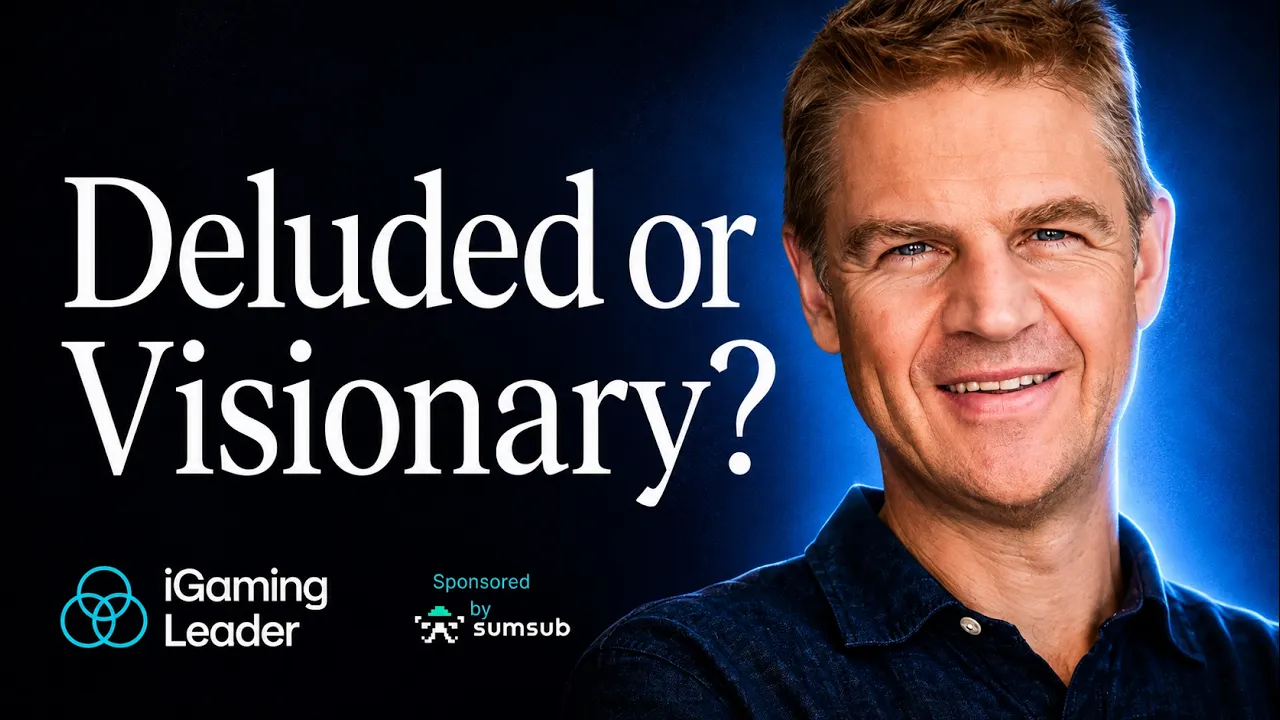
Podcast Episode
54
42 min
Why most entrepreneurs are not risk seekers, only bad at assessing risk
Nigel Eccles
CEO and Co-founder of BetHog
Listen now
Leadership Development
Building High-Performance Teams
Navigating Pressure & Change
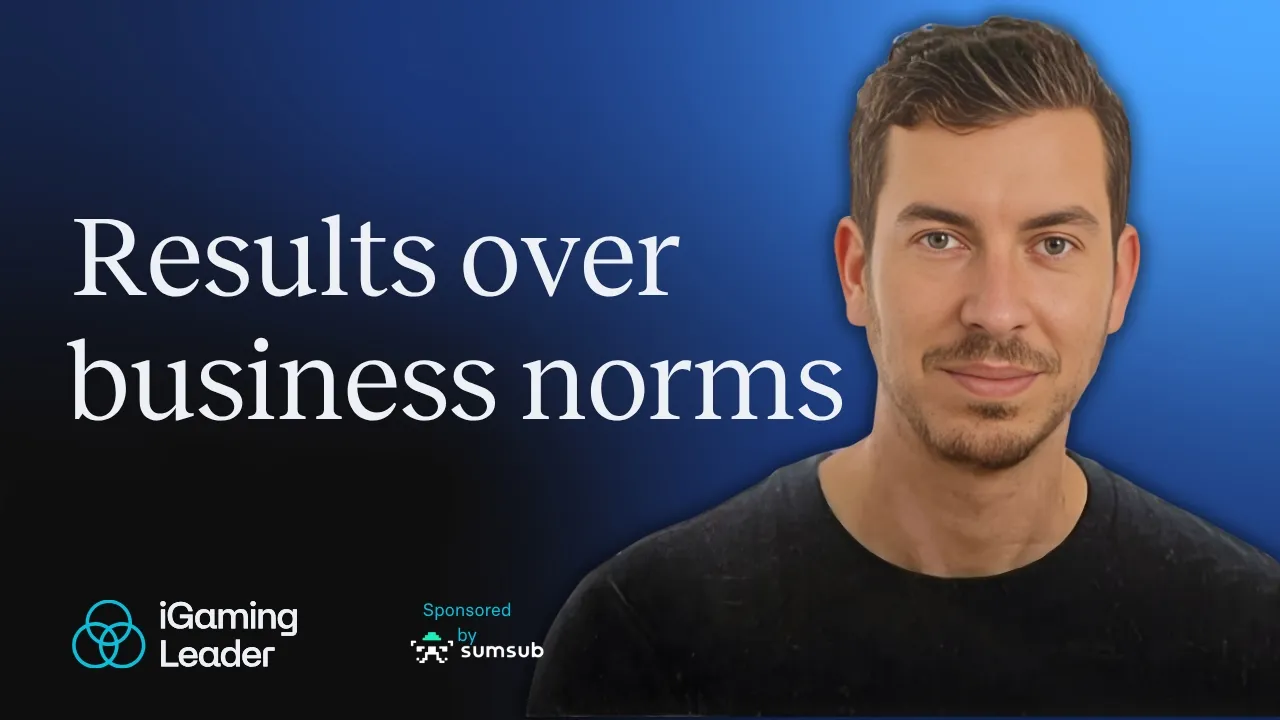
Podcast Episode
51
48 min
Founder Mode: Whatever it takes to get the job done
Daniel Graetzer
Founder, Investor & Advisor
Listen now
Leadership Development
Mental Health and Burnout
Strategic Execution