
The Secrets to Running 4 Companies in iGaming
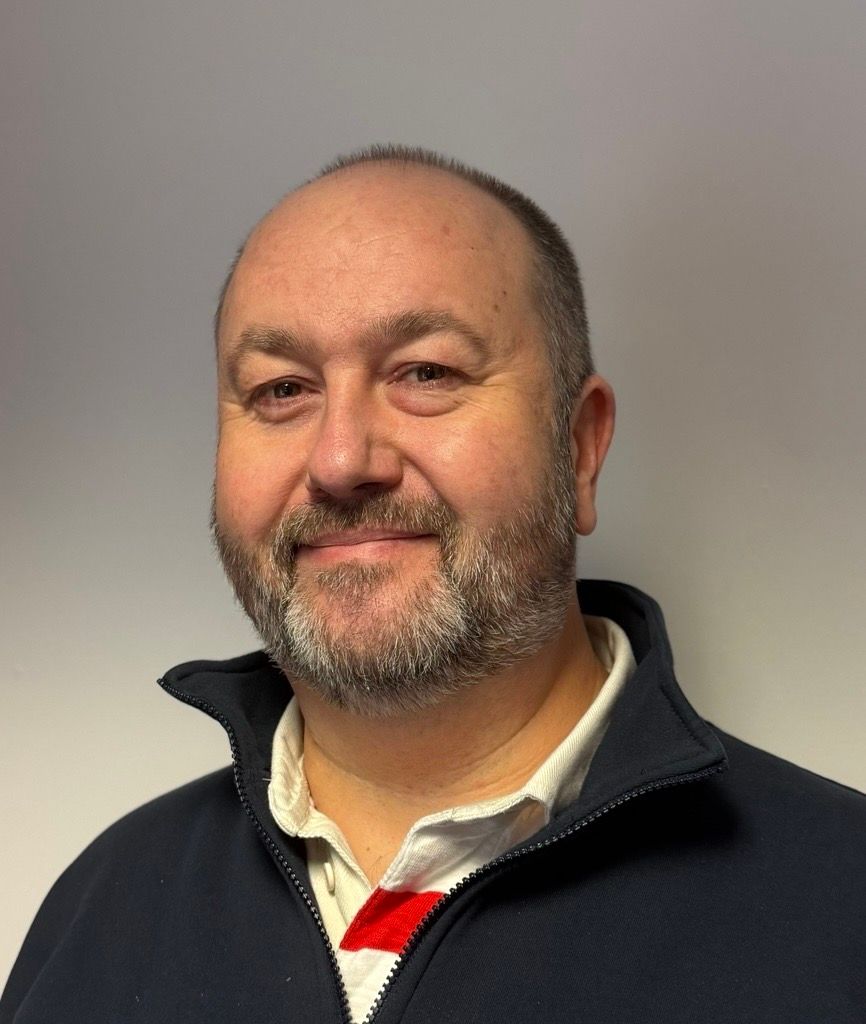
Founder and CEO of Rokker Andy has been an MD, CEO, Investor, and Board member in the digital and gaming industries for 28 years. After studying Industrial Design at Brunel University, he launched his own design agency in 1998, working through the dotcom boom and bust, developing the UK's first online trading platform, and even running a military database business. He later joined Lightmaker as Managing Director, scaling it into a global leader with clients like Manchester United, Sony, and Nintendo. After moving to London to lead the digital arm of ETV Media Group, Andy entered the iGaming sector, eventually building the world’s first B2B social gaming platform. Following the sale of that business to Mediatech, he served as their Managing Director in Spain, overseeing nearly a third of the country's online GGR. In 2015, Andy founded Rokker, acting as an incubator for ventures including Random Colour Animal, Skull Mountain, and Pretty Technical, where he continues to lead today.
Key topics discussed
00:00 - Patient strategy and the "fuck it, I'll figure it out" mindset
03:00 - Launching a first agency and the transition to "proper" jobs
05:00 - Walking away from an acquisition payday at Media Tech
09:00 - Why Andy chose to bootstrap Rokker instead of raising VC
12:00 - Running your own race: Refusing to judge success by others' achievements
18:00 - Reverse engineering a 10-year life and financial plan
21:00 - The "Mad Plan": Incubating four businesses by waiting for the right people
27:00 - Capital deployment: Deciding which fire to put out first
34:00 - Listening to accountants without letting spreadsheets kill growth
41:00 - Undercapitalisation: The canary in the coal mine for business failure
43:00 - Why it is expensive to be poor: Blood in the water and bad deals
50:00 - Advice to 25-year-old Andy: Get into gaming earlier and back yourself
Key takeaways
Patience is a Competitive Advantage: By giving himself a 10-to-15-year horizon rather than a standard 3-year VC cycle, Andy was able to build value without the pressure of external shareholders.
The "Expensive to be Poor" Trap: Running a business undercapitalised forces you to take bad projects and accept suboptimal deals because investors can "see the blood in the water".
Don't Cut Costs to Growth: While accountants are essential for structure, cost-cutting your way to a growth target is often a "convenient memory loss" that ignores the initial investment required to hit those numbers.
Success is Contextual: Most industry success is based on context and timing rather than purely personal ability; leaders must be honest enough to admit when luck played a role.
Back Yourself to Run Again: The highest leverage a young leader has is the conviction to run their own race rather than helping someone else achieve their goals at the expense of their own conviction.
Memorable quotes
"Our success is directly proportional to the number of times you've said: fuck it, I'll figure it out."
"Investing is easy if you have an infinite amount of time."
"It's expensive to be poor. You get worse deals, you get worse rates, someone can see the blood in the water."
"Run your own race... I'm comfortable in my own skin to run my own race."
"When you know, you know. There is no amount of swinging for the boundaries... you just know it's done."
Important links
Episode Transcript
Read transcript
Andy: [00:00:00] I've been quite patient with the strategy that I've got. In all those businesses that I ran we were setting up three year cycles. We were building to a three year event. We were raising money and moving fast.
Andy: I've always had a real interest in the design and structure of things. I like the combination of creativity and engineering. That led me on to launch my own agency like three months before I left university, which went really well and then really badly,and then okay in the end.
It's expensive to be poor. You get worse deals, you get worse rates, someone can see the blood in the water if they're investing. You know, if you're dressed in cheap clothes and you want a good job, it's more difficult.
Andy: our success is directly proportional to the number of times you've said: fuck it, I'll figure it out.
Leo (2): Hey, welcome to the iGaming Leader Podcast I'm your host, Leo Judkins, founder of the iGaming Leader Mastermind. And on this show, I sit down with some of the most inspirational and forward thinking leaders in our industry, diving into the real challenges, high stakes decisions and [00:01:00]lessons. That shape our industry
If you are a VP director or an executive in iGaming, this podcast is built for you.
Before we dive in, a quick thank you to our sponsor Sum Sub, the full cycle verification platform. Trusted by top iGaming operators worldwide, sum sub helps onboard players quickly stay compliant and prevent fraud all without slowing growth.
More information in the description.
Leo Judkins: Hey, everybody. Welcome to the iGaming Leader Podcast. I am here with Andy Rogers, and we're gonna have a very different conversation today. Because Andy, you are the. Quiet guy behind so much of the industry. We, we actually had a quick chat on WhatsApp before as well, and you went through the podcast guest, I think 25% of the people you've worked with or consulted or worked for.
Uh, so really cool. You've, built multiple businesses, exited a few, managed through very challenging times. But 10 years ago you started with [00:02:00]something thatmany actually call the mad plan deliberately staying behind the scenes while the industry shouts for attention. And, um, yeah.
Today I wanna talk about, your journey. I'd love to talk about the strategic decision making under constraints and, the stuff that went wrong, the decisions you've made differently, and the battle scars that matter. So welcome to the podcast.
Andy: you very much, Leah. Really nice to be here and looking forward to this.
Leo Judkins: Yeah, me too. we spoke actually before a few times, but we met for the first time in Barca recently. it's interesting, like not, I haven't met before. I dunno why that is. uh, Let's start maybe with a quick intro, Andy, for anybody that doesn't know you.
Andy: for those that don't know, I, I had a background, I did industrial design at university. I've always had a real interest in the design and, structure of things. I like the combination of creativity and engineering, that led me on to launch my own agency like three months before I left university, which went really well and then really badly.
And then okay, in the end, managed to, to sell that off a little bit of, I called it golf money, you know, I played golf [00:03:00] for two months and then worked out what I had to do. then went to run, I actually joined another company as a sales manager, sales director. Anyway, something in the sales department, which I kind of felt was a step back 'cause I'd run my own business for five years but actually I thought I'd go and get a proper job, otherwise I'd go and run another of my own companies. If that went badly, I'd be 32 and never had a proper job, you know, in vertical. So I thought at, at 27 or whatever, I'd go and get a proper job. ended up being a director at that business and then a managing director, and it all went quite well.
That was quite good business. That was called Light Maker. and we opened a bunch of offices globally and did all lots of shiny shit, and it was, it was good. we were hot for a very long, you know, for a period there. then went into, the media business. Got headhunted from that business.
Went into a media company in London, launched, a bunch of things there. Did the more digital stuff, ran their digital arm, ended up in gaming and social gaming and building platforms and yada, yada yada. That Business ended up getting bought by Media Tech where I went to join as MD in Spain, and then [00:04:00] Rokker, as you say, with a bit of a mad plan sort of 10 and a half years ago.
so I'm sure we'll come onto the rokker journey a little bit, but
Leo Judkins: Sure.
Andy: Always, always been an md. Always been, other than a brief period in sales. Always been like the sales part though. I like people, but I like the business of business. That's what I'm really, really interested in.
Always have been. Really. I often say, you know, sometimes it probably wouldn't have mattered whether I'd sold toothbrushes or, phones or rings or whatever. Um, I can get behind like taking something from somewhere to somewhere, you
Leo Judkins: Yeah.
Andy: that. And just like the infinite chest moves around that. maybe we'll touch on a bit later.
Leo Judkins: Yeah, I'd love to talk about that because that's the, big thing that's, I remember from our conversations before as well, is that how obsessed you are with the intricacies of business, right? Obsessed may be the wrong word, but like, you love it, you love just the whole dynamics of business.
so I wanted to start with kind of that biggest decision point, leaving media tech, if that's all right. So June 20th, 2015, you leave as a managing director [00:05:00] running at the time, more or less a third of Spain's online, GGR. then in February, 2016, our Franco buys It that's eight months between you leaving and it being bought from the outside.
It looks like either you walking away from a significant acquisition payday or knowing something was coming and choosing to leave anyway. what actually happened? Did you, did you know the sale was coming?
Andy: Yes and no. So I joined with a particular remit when, when, uh, interaction was bought, by Jessica and the team there. She was the CEO and owner of the business. One of the most fantastic people you'll ever meet, like business people you'll ever meet, human you'll ever meet, can't say enough nice things about Jessica Dervis.
And, she actually wanted to go and spend some time in Asia. So it worked out well that there wasn't, two people at the top of that business. I kind of slotted in. I had a mandate to improve the metrics of that business, had, as with all technology and all platform businesses, had some challenges around technical debt.
It had some challenges around delivery, had some challenges around client satisfaction, but, had done [00:06:00] broadly pretty well to establish itself in a market. And there was a couple of approaches in terms of, acquisition for that business. Jessica came back from, Asia after a couple of years.
then there was two people at the top, Truthfully, I think Andre, who's the co-founder of Pretty Technical, one of the businesses I now run, he was the CTO there, he left at at that sort of time as well and went on to pursue other things. Dan Gretzer, who I think you know, was also there at the time Dan stayed on. but he was the COO there. And so we all were a little, little, you know, cabal of, of, of people that were running this business. my wife didn't want to move to Spain, and I was commuting every week from the uk so Monday morning, seven o'clock on the, with the PWC Boys and their ties out to, Madrid every week, coming back on a Wednesday and Thursday.
just didn't wanna do that for much longer. Also, we said earlier, I'd run other people's businesses by that point for at least 12 years or maybe a bit longer. So very keen to do something myself. I could see. business is in reasonable shape. I could see that Jessica was back in the game and probably didn't need [00:07:00]me. if there's two people saying the same things. We had quite a different approach, to running businesses. neither of them were right or wrong, I suppose, or more right than the other. But it was her business. and I was quite happy to, actually get on with my own stuff.
That business could have been sold in the time that I was there. There was a couple of approaches, as I said, business could have been sold in another six years time, which none of us were really in control of. It happened to be sold eight months later, high fives to all those that were there, and I'm glad, I hope they did very well out of it.
Leo Judkins: Yeah.
Andy: all props to.
Leo Judkins: if you look at it now, Andy would you have stayed for the sale or do you still feel it's the right decision? I know these things are so easy to, like with hindsight, how do you feel about it?
Andy: I feel good about the decision in all honesty. I'm not hugely money focused. That
Leo Judkins: Hmm.
Andy: But, I'm more objectives focused. I feel like I'd done the job that I was employed to do,
Leo Judkins: Yep.
Andy: and I was happy with that. so would I have made a different decision if I'd known it was coming in eight months?
Maybe. But then if you're just sticking around for a payday, you're doing yourself or anyone else's service. I, I, I don't think you are. [00:08:00] So I was happy with the job I'd done, hopefully Jessica and the guys would feel like I did a fairly solid job there for them. and they got a result hopefully after the end of it.
Good. Everyone's winner.
Leo Judkins: right? Like you make decisions and then you shouldn't be looking back anymore. The fomo will always happen, you know, we've talking about conference bookings and stuff, but it's the same thing, isn't it? It is just a different number, but it's the same idea.
Andy: yeah, for sure,
Leo Judkins: hindsight is a wonderful thing. Yeah,
a hundred percent. You, um,you spend 12 years as MDs for other people's companies, like you said, light Maker. It's the traction on a previous podcast, which I saw you mentioned, you raised money, put businesses into administrations, hired hundreds of people during that time, full life lifecycle, right?
The, the good and the ugly. So. when you started rokker in, 2015, Andy, what's, what's, what did that experience teach you? Because you could have replicated the model, like raise VC scale fast, maybe exit, but you chose a different path. Why, why is that?
Andy: that's a good question. Why did I [00:09:00] choose that part?
Leo Judkins: Yeah.
Andy: look, maybe it's, um, maybe it's a, a control thing. The biggest thing I learned from running other people's companies, bearing in mind I ran my own for, for five years before then I did a whole bunch of my career doing it for other people, and then I've gone back to doing it myself.
Leo Judkins: Yep.
Andy: what I learned from running other people's companies, no matter how lovely they are, and a lot of them are lovely people, I tended to be brought in at a certain level when the business was big enough that they wanted to do something more structured and I'd come and help sort out that structure, that business stuff. what I learned was if the decision's good, it's their decision. And if it's bad, it's your decision, right? but when it's your business, it's always you as well.
Leo Judkins: Yeah.
Andy: it's, it's always you. Good or bad, it's you. So maybe there was a little control stuff there. I also didn't want to be reliant on shareholders early on.
I think I'm probably accused by, certainly by my friends or my wife, or maybe some people in the business here of having a slightly flighty mind. you know, in terms of, I, I have a lively mind, like, and there's lots of things that interest me and I'm, I, I would guess [00:10:00] that there were, you would modern, in a modern world, you'd test some elements of A DHD there, but I have a whole bunch of things that aren't a DHD in, in my makeup.
And one of the things is I'm quite patient and I gave myself a long time to achieve. I think Warren Buffet said it. investing is easy if you have an infinite amount of time.
Leo Judkins: Yes, exactly. Yeah.
Andy: I've been quite patient with the strategy that I've got so I didn't want to go, I, In all those businesses that I ran, we were setting up three year, cycles. We were building to a three year event. we were raising money and moving fast. And I didn't want to limit myself to a, a three year cycle. A long time, like 30 years ago, I read about Chinese business plans that were 200 years multi-generational business plans that were 200 years. How interesting is that?
Leo Judkins: That is cool.
Andy: I was like, I could give myself 10 or 15 years for sure.
Leo Judkins: Yeah.
Andy: That's, just like a fleet. So that was the main reason I didn't go out and raise VC cash and do something there. Also, I didn't know whether I wanted to build a product again, early doors. I certainly didn't want to be a gaming [00:11:00] consultant in inverter commas.
I don't know enough about certain parts of gaming. So I'm not a marketing person I just know a little bit about all of it. and so actually where my value is probably as a human, and in the early days it was me and Rich. So could have done a lot of different things, but we had to limit ourselves to what people Would see as credible. so we limited ourselves to the business design part, which is working on the business rather than in it. And so we worked on the business for a lot of people and it just so happened we knew a lot about the gaming market, so that's why we ended up in the gaming sector. We did other things then as well in BC and some universal, Adobe, bt, you know, lots of other big companies.
We worked on parts of their business. But as the years went by, we decided to focus more and more, on the gaming sector. We built it slowly. Invest in things over time, give ourselves the right amount of ownership and control.
Leo Judkins: where did this whole idea of, of a 10, well, you, you've spoken about it as a 10 year plan, which turned out to be 12 years because of COVID, but. Where did this whole long-term and [00:12:00] sticking with your, kinda sticking with your plan idea come from where that's, that's quite, I feel that's quite unique.
So I'd like to talk a little bit more about that. many of the businesses I see many of many executives, very reactive. Right. Very, I dunno, like jump to any opportunity you seem. Yeah. Like you said, you seem calm and you've got your plan and you're following that through obviously with divergence here and there.
But, how did you get to that point? Have you always been like that or is something that happened where you thought, ah, this is actually the way to go?
Andy: My mind works in that way.
Leo Judkins: Hmm.
Andy: so that's literally, I can't really explain it more than that. so this is how my mind worked when I set up rokker. I look at my fifties and I look at how relevant I will be as a human in my fifties a couple of choices. Either I go back and build a career running a reasonable sized company and then moving to a non-exec roles and having a nice retirement at some point in my fifties or late fifties.
Maybe there would be an exit there. Maybe not. It wouldn't, it would [00:13:00]somewhat be outta my control in that sense. that's one route I could do. But I wanted to have a more comfortable existence as I moved into my fifties. The other way is I could build value and I could look at how, that could be created, for myself, something I could control. And I wasn't being prescriptive about whether that was 50 or 52 or 55, but at some point, 'cause I don't think you can be totally prescriptive about those things. To your point, you can't control everything. But the outcome, I'm objectives focused, and that's always been the same. So even at school or at university, that would be a good example of I, I knew what I wanted to do, and therefore I was able to do enough to achieve what I was.
And I, think some of that is about running your own race, you, and I know lots and lots of very rich people in the gaming sector,
power to those people. They're not either you or I,
Leo Judkins: Nope.
Andy: they're in a different circumstance. They're either brighter or they're more lucky, or they've worked harder or they haven't worked harder.
They have, you know, they haven't done these things. Like they've done certain things, they haven't done other things. I think it's important not to judge [00:14:00] yourself by other people's, achievements.
Leo Judkins: Yeah.
Andy: it's just I important to set your own goals and judge yourself by your own achievements that way. only can let yourself down or you can achieve and be proud of the things that you've done. And that for me is enough. And it always has been. I I of course, I want, you know, some mansion up the road from where you're sat now, probably in the south of Spain, overlooking the Mediterranean for sure. that would be lovely.
But we probably know a couple of people we can go visit and I can go and have a
Leo Judkins: Yes.
Andy: I'm not saying it's, I'm not somewhat materialistic, but I am saying I'm comfortable in my own skin to run my own race. And that for me was all about that long term decision making.
Am I, can I try and do something here that I would be proud of, that my family can be proud of, that they can look back and say, you know, what he did what he said he was going to do. And I say that to the team here all the time. You know, we talked about the other day we had a board meeting and, we talked about, you know, the art of the possible in the future And the valuation of things in the market and this and that. And we talked about, you know, I, I've worked on things where, you know, SB [00:15:00] Tech got bought by DraftKings, what, three quarters of a billion
Leo Judkins: Yeah.
Andy: NYX did, I mean, Matt Davey did super things there. I'm really impressed by him.
Leo Judkins: Yeah.
Andy: watched that play out and I just thought, amazing work out for 800 million. You know, we talked about this in a board meeting the other day, and right now no one in our organisation is designing an 800 million pound business. Like we're not, we could do,
Leo Judkins: Yep,
Andy: everyone wants to do.
but that's not where we're at at the moment. We're designing an X amount of valuation business. And when we get there, we'll decide what to do.
Leo Judkins: yep,
Andy: could either exit that or look to exit, or we could go again because we feel like we could build an 800 million pound business. But our objective is fixed, and everyone is focused on the objective. We'll do that. And that is good. That's, don't be apologetic for that. Be proud of achieving the thing you said you were going to achieve.
Leo Judkins: yep.
Andy: I once worked for a guy, no names mentioned,
Leo Judkins: I.
Andy: we went to a board meeting in the States and, said to everyone, we were about, I suppose we were turning over in those days, [00:16:00] 10 or $10 million, $12 million, something in that order of magnitude. Group of young lads all, motivated or whatever. And we sat in the board meeting and he said to everyone, guys, we're gonna be a $200 million company. I was like, cool. And I said, how are we gonna do that? And he said, we're gonna do this. We're gonna change the things. And I was like, where's the money coming from? And he said, what? And he said like, everyone in this room will have a run for you at a $200 million company. We will, we'll, we'll work weekends, we will do, what's the new thing? Seven two hour weeks? You know,
Leo Judkins: Yeah.
Andy: We'll be, we will lie down in the road for you, but we need enough money to change it from a $12 million company into $200 million company. So where's the money coming from? 'cause you can't just do that on luck and hope, you
Leo Judkins: Yep.
Andy: and he said, you don't need to worry about that. Just go back to the uk to the office I ran and just tell them, I've said we're gonna be a $200 million company. and I flew back to the UK and we had a meeting with all the guys [00:17:00] there. and someone that worked with me at that point, bright Chap, how are we gonna do that? And I just said, I don't know, the guys just, I'm not
Leo Judkins: He just said it.
Andy: just said, we're gonna do it. And do you know what? I made a decision as on the flight home that I'm just gonna move on from that business.
It's done. like, it's, it's nonsense.
Leo Judkins: yeah,
Andy: like have realistic goals, control the things you can control. Try and be proud of those things. If you luck upon something, follow the luck
yeah,
sure.
yeah.
run with it. Otherwise execute on what you can. And that's where all of this strategy came from, all those learnings.
It was just like, let's try and do something that's within my control. I feel like I'm good enough to do X
if I'm not
so be it. But that's where I've got to.
Leo Judkins: I love it, Andy, because that's like, if you wanna highlight a few things there, the, the, the first one is, race Your own race. I, I love what you're saying there because it's so true, especially in this, um, this age of social media, but also because of our industry, the way conferences are and are [00:18:00]seeing, you know, all the successes out there.
It's very easy to compare yourself to everybody else's highlight reel. And that highlight reel is also not really real, you know, so it's very easy to then. Feel like you are failing or you've gotta, or at least feeling that you've gotta pivot all the time. Right? And, which is a massive, massive business mistake to continuously do that.
On the other hand, like you said, you've gotta follow the luck, you've gotta follow the signal, but not the noise. And I think that's something that most people confuse. So, makes a lot of sense. how do you like, talk through that kind of decision making Annie, if you will.
So if we talk about this 10 year plan, for example, that you had 10 years ago, that's kind of extended now to 12 years because, we had a little COVID break. how does that work in your head? Do you reverse engineer that? You start at the end and then kind of work your way back?
Andy: literally that
the months before I started rokker, I wrote down what a future would look like, that I would be happy with financially.
Leo Judkins: Yep.
Andy: I future gazed into what that looks like from a human point of view, like from my family, and what success felt like to me [00:19:00] in my own mind, not anyone else's what I felt success looked like, and it wasn't unachievable.
Then I work backwards and, uh,in some ways made super hard for myself along the way, but, you know, that's EDSC for you. I mean, you know, I'm the controller of my own e DSC as well as my own success. So, you know, I think that's, that's fine. but yeah, work backwards then that, that just gives you measurable things to, to tick off.
And the world doesn't work unfortunately to everyone's, plan does it. So COVID is one of those things. But, you know, we've had other things where, you know, investors have let us down or, people leave, that you didn't think were going to leave, or, like a myriad of stuff that happens, that changes the course.
But am I moving myself every half a year for release? The me is the measure, am I moving myself every six months towards a goal or am I moving it away from a goal? That's the only answer that needs answering.
Leo Judkins: is that what you do, Andy? Is it like you sit down every half a year and you kind of check how you performing against that 10 year plan and your milestones within it?
Andy: I don't, I don't structure it in, [00:20:00] in that way because I'm, because that would be, again, I'm just setting myself six months
Leo Judkins: Yep,
Andy: I'm just looking at the future and saying, okay, am I trending towards that? The signal, not the noise. is my trend good?
Leo Judkins: yep. Yeah.
Andy: all this that's going on in between some money, no money, loads of happy staff, some happy there, me happy, me sad, all the trends that go up and down, you know, um, I'm, I'm very, actually you can speak to a lot of people.
Maybe I, I'm not very sad as a human actually. So I dunno, that's, I not, that's not one of my traits. but, over optimistic for sure. Like that's a, that's a negative trait. Maybe
Leo Judkins: Yeah.
Andy: but I'm not sad as you. But, all those things that happen month on month. Quarter on quarter, even year on year. Am I trending towards the thing I'm after?
Leo Judkins: so when you started this plan, this 10 year plan, lots of people call it mad. you of course didn't launch four businesses at the same time. That would've probably been quite mad. You staggered it. What's, how do you decide that when you know this is, it's time to spin up the next one or it's, I've gotta [00:21:00] wait.
what does that decision making look like for you?
Andy: Okay. Good question. let's start with why I did the plan in the first
Leo Judkins: Great. Yep,
Andy: maybe
Leo Judkins: yep.
Andy: I can go back to when I was at Light Maker, having conversations with PE people or fund people of some kind, finance people talking about roll-ups. Then and looking at whether we should go and buy agencies and roll them up. and I've always been really interested. So that was, what, 20 years ago now, I've always been interested in that, that theory of roll-ups and, you know, the arbitrage and the, you know, the way that the dynamics work in terms of business model.
And it is that, that game of business that we talked about earlier that I'm interested in, that's the, that's the most challenging, most exciting, most interesting part for me. I couldn't afford, when I left media tech to go and buy four businesses. I just didn't have the money there. and I could have probably done that if I'd have gone to route.
You mentioned before I go and raise the money and then buy the business, but that's not where I wanted to be. I did have enough money to start and everyone, as you said, [00:22:00] said. Don't start four businesses. Who does that? And I said, I'm not going to start 'em all at the same time. That would be mental. But one of the pieces of like something that the thought of starting those four businesses was a little bit driven. Like that's a mad idea. But I read something in probably 2014 on a plane probably over to Madrid and back where Richard Branson sat on Necker Island, was running 75 businesses.
Leo Judkins: Yeah.
Andy: He was the PRI principal of 75 businesses. I think I landed and said to Roe, have you seen that 75 businesses? If he can do 75 from an island in the middle of nowhere, be able to do three or four from a house in Ken. that seems reasonable. I'm not as bright as Richard Branson, but you know, that's okay. By an order of magnitude of more than 10, I would back myself.
So, it's just a construct then, and then exactly the same as the life Plan. Work backwards from where you want to be and then do these things in order. So we started Rokker first as a business design consultancy. It gave us enough money to pay the mortgages that we had. Rich and I, [00:23:00] it gave us some interesting work and some valid work that we got excited about, which is important. and it gave us enough money and momentum start to incubate other things. And actually, if we'd have started calling it then what it probably is now, which is some kind of venture builder,
Leo Judkins: Right. Yeah.
Andy: you could argue is, is a really good venture builder, or it's, it's, it's a relatively successful venture builder. That's not what we called it at the time, because I think it would've sounded arrogant and weird. That's what it actually was, is it did some consulting to support the venture building and then the consulting grew and it grew into something else and other things. but in answer to your question, we had a plan.
I could show you what we drew in 2015
Leo Judkins: Great.
Andy: It had rokker and it had some kind of customer support business and it had some kind of technology business and it had some kind of ventures business, that we would fund ourselves. And that's literally what that plan had on it. And we started here and they were like, okay, well we knew a bit about design. That was our background. Rich comes from a design background. I was from an agency background and we liked it. It's that, because we're digital people, 'cause we like the [00:24:00] engineering as well as the design, we thought we could build some stuff as well.
And that's, you know, at Light Maker, that's, we built digital things for big brands. and obviously built that with the social gaming stuff, interaction and obviously run the platforms at Media Tech. So it was a natural extension. we originally going, we were going to do rokker, and then originally we were going to start a business like pretty technical, like a software business in the gaming space. the inflection point about where we started those businesses was when we found the right individual run it. I don't feel the need to run all of these things, like at all. it's not, I don't need to be the front person of these things.
fact, it's embarrassing in some cases to do that. but I'm clear on what the objective is and if I can empower other people to do that, if I can help that and help them and us, that's a win-win. So we waited until we found the right people and we found someone to run a business. And actually it turned out That turned into Skull Mountain, which is what the one we launched next,
which was a product management consultancy because the person that ran it, you know, he's got a very specific set of skills,
that [00:25:00] it turned into something that wasn't quite what we'd thought, but that's, we, it was, it was complimentary to what we were doing at Rokker.
So it worked on a lot of product management stuff. Did a load of product management consulting for, uh,a news Corp and a whole bunch of gaming companies and whatever.And then we, we found someone who I knew from my light maker days, that was looking for a new world. And actually they wanted a new life, really.
Leo Judkins: right.
Andy: wanted to, to do something else on from a human level. We really got on together. and so we gave them the opportunity to come in and run and build a, an agency business, which was a random color animal. by the way, all of these names. Just folly, you know, they're, they're total. I often get asked that, why have you called these businesses?
What you call them? Skull Mountain was called Skull Mountain. 'cause I thought it was funny see people's, the postman's face, like when they, what are they expecting to turn up at Skull Mountain, 68, 64, A High Street, seven Oaks. what is that? You know, like
Leo Judkins: Yeah,
Andy: that's just silly. And then random color [00:26:00] animal was, because obviously there are a million agencies called Yellow Bear, gray Panda, red Ant.
Leo Judkins: I love it.
Andy: of
Leo Judkins: Yeah.
Andy: So we just called it Random Color Animal because, you know, it's just a silly agency name, isn't it? pretty technical. Was called pre technical because, you know, it's pretty technical, right? somewhat technical. So they're just folly, really, but they do seem to stick.
And so yeah, we launched random Colorable and then Andre, who I'd worked with at Media Tech, he broadly retired, to the south of Spain. He was living in Soto. he, he called and said, what I was doing was pretty interesting. What, what's going on? And I was like, oh, weirdly, timing that after sort of four or five years, sorry, no, probably after three years, sorry, we'd been meaning to start a technology business, but hadn't actually got round to it because Skull Mountain had evolved into something else.
And Random Color Animal was an agency, I really wanted to do a technology business. And he was like, oh, cool, I'll do that with you. I was like, excellent. Let's do that then. So, we could afford to do that, and we had a very clear objective and, and a set of objectives there. So that's how that all kind of came about.
Leo Judkins: I think that's such a great approach. I [00:27:00] what would've happened if you would've launched all four at the same time, if you would've found like the right people to launch it with at the same time?
Andy: Two things would have happened. We would have
Run out of cash,
Yeah.
and we'd have done a shit job Just too much.
Leo Judkins: Split focus kind of idea.
Andy: too hard. Yeah. I got asked that question, like, how do you run multiple businesses? The truth is I'm not really running
Leo Judkins: No, no, exactly. That's why you've gotta find the right people.
Andy: yeah, you've gotta find the right people. But doesn't Jack Dorsey, he runs Square and Twitter, doesn't he? I mean,
Leo Judkins: Mm-hmm.
Andy: they're mega, mega businesses and he's a bright lad, but, you know, there are people that are doing these things. Elon Musk is doing it, you
Leo Judkins: Yep.
Andy: scale. but, know, so these are bright people. Way, way, way brighter than I ever will be. but it's the, the concept is not. Unusual in that sense.
I dunno how many businesses, Playtech, for example, owned at one point, Playtech Managed Services, Playtech platform, there was a whole, they weren't all run by Teddy or more were they at one point.
Leo Judkins: The problem is sometimes, I suppose is that one point when you are running these four businesses simultaneously and you [00:28:00] do have limited capital, at some point they'll all need resources or three or three out of the four or whatever that is.
like how do you decide that, what's your framework for deciding where to deploy capital or attention when you know, when everybody's screaming for investment or for your time or for resources in general?
Andy: you tick off the ones that are most critical in order that's it.
Leo Judkins: but what does, what does that mean and need, like most critical, does that mean, is gonna, you know, if is they're gonna burn and die if I don't touch it, or what, what does critical mean?
Andy: Yeah. Plenty of times over the last 10 years we've been, you know, weeks away from disaster.
Leo Judkins: Yeah.
Andy: unless you are hugely funded and you've, you know, if you're doing something on a budget, stuff happens that costs money,
Leo Judkins: yeah.
Andy: and that just, that's just the way of the world and, yeah.
So definitely been there. Like everyone that's, I'm sure everyone that's run the business, that's been on these podcasts has given you some and you've had it yourself. Right.
Leo Judkins: Yeah.
Andy: you some level of indication of the stress that's involved in running [00:29:00] businesses. you just have to go through it.
You know, wasn't one of those things that like embrace the suck. Like it just
Leo Judkins: Mm-hmm.
Andy: and the fact that it's hard is inevitable.
Leo Judkins: Yep.
Andy: it's inevitable. You know,
Leo Judkins: Yeah.
Andy: I don't know whether I've met anyone that's just absolutely killed it just cruised through. I don't know if I've met anyone like that.
Leo Judkins: people might tell you,but it's not, it's never true
But that's the other thing as well, isn't it? and is that sometimes, like kind of this, this idea of looking backwards and making decisions in like in retrospect you go, okay, maybe I've made the wrong one or the right one, or whatever it is.
there is this, survivor's bias, if you will, right? You look at people that have successfully exited or successfully, successfully pivoted their business or whatever that is. and you see the 1% of people that have come out of that successfully, and you'd never hear the really, the 99% that, you know, crashed and burns and,
Andy: that's something I, I, I really live by and I learned really early on, that your success [00:30:00] as an individual is very, very rarely. Based on your personal ability, like it's contextual to the people in the situation around you, and that is both positive and negative.
I've seen plenty of people who are bright as shit fail
Leo Judkins: Yep.
Andy: I've seen plenty of people that have dumb lucked their way into big money, tens if not hundreds of millions of pounds,
and it's all contextual. Like, don't beat yourself up about those things. I would say like, it's so hard when you're in the maelstrom and I, as I said, I've been, I've, you know, I've dealt with businesses that have gone down and you, you own that failure and you wear it and it, it, it eats you up. Also own the successes and feel good about it. I sometimes take a mental snapshot. I remember doing it on a train at ETV once I take a mental Polaroid, you know, literally, Instagram was a thing, 'cause I'm that old, you know, and you can just see your nice moments, take a mental polaroid of those nice times when it's [00:31:00] going well and you feel good.
Because often as not as humans, we hold onto the negative, don't
Leo Judkins: Yep. Yep.
Andy: beat ourselves up over the things that went badly and what could I have done wrong? Sure, you could have done some things right?
Leo Judkins: Yep.
Andy: But you can equally ask yourself, why am I not worth a hundred million? 'cause there are probably situations where you could've done other things that would've been worth, you know, x number of quids.
So yeah, and the people around you and the context around you is more critical than your personal ability, I think.
Leo Judkins: it's a timing piece as well. And we, so on the mastermind, we regularly have, expert speakers and, talking about that, Dan, we had Dan Greater there, maybe three weeks ago, four weeks ago. And we were talking about Maxine beds, right? and I was, before he joined us, an expert speaker.
I was telling our members how I was talking about this framework on how. There is just so much, downward potential for going against the crowd when you're by yourself, right? We as people, we want to go with the crowd. I think this is what kills most businesses where [00:32:00] employees just go with the crowd because they think they're gonna be absolutely, stoned when they go against the crowd and get it wrong, because that is actually true, right?
When you go against the crowd and you make a decision and it turns out to be because of dumb luck, it turns out to be the wrong decision. Or because the macro turns, or whatever it is, it's the wrong decision. People are gonna say, told you so, knew it beforehand, and when you get it right, nobody actually goes, well, you know, no, I had it wrong.
And yeah, I was, I was kind of, you know, people also say, no, I knew he he was gonna make it so. I think that's such a, again, that survivor's bias, I think it's really important thing to think about because the opposite is also true, right? we absolutely stole these people that, that go against the crowd and then fail and it's awful.
Andy: well, one needs to be honest enough with themselves to say, if I've
Leo Judkins: Yeah.
Andy: genuinely, it's not just because of me.
I may have been part of that success and I may be the benefactor of that success, which is great.
Leo Judkins: [00:33:00] Yeah.
Andy: buy your farm. Go and retire to the, the south of Spain. Go and do whatever you want to do. Open a dog sanctuary, like whatever is your thing, right? if you've achieved success, then that's great. Be the, be the benefactor of it, admit that probably it's not entirely you.
And I think the, where I've struggled with people that I've worked with for. Certainly with and for the only times that I struggle with other humans is when their ego is out of control and they consider themselves to be the arbiter of success unilaterally.
Leo Judkins: Yeah.
Andy: I think that's bonkers,
Leo Judkins: yeah, exactly. It's definitely not leaderships. Um,let's talk a little bit about, these lessons and, maybe some of the challenges that you've gone through. So, I saw this post that you made, 10th birthday post.
you said I launched multiple companies. One failed, one exited two more with over a hundred colleagues. So obviously a.Posts from a while back. But, the thing is, everybody talks about wins, right? Everybody talks about successes like [00:34:00] we were discussing about earlier. I would love to talk about lessons.
So what were some of the Most expensive lessons maybe that you've learned from having to shut things down or where it's almost gone wrong, or where you said, you know, I'm just weeks away from having to close. what did that look like? What are some of the,some of the big things that you've learned from those lessons?
Andy: I mentioned earlier, like I, I'm an over overly positive Like you know, I, I probably project too much positivity into the things that we're doing.
And it's really useful to have people that counter that position. you know, whether they're, they're not, that's not my natural stance. And actually, learning to listen to those people. Um,let me put it more pointedly. I think accountants can make or break businesses. I've been in situations where I've listened to accountants and they've made us shut something down. Their strong advice is that this is done from a spreadsheet point of view.
Leo Judkins: Mm-hmm.
Andy: if you go in, if you [00:35:00] deal with PE guys or you deal with, those kind of people that are running businesses from spreadsheets, they will cost cut.
They'll try and cost cut their way to growth in a lot of, you know, and that's tricky, right? And what it looks like. The shit's hit the fan, and you're at the 99.99% of your, your energy and your whatever. There's still 0.1% of opportunity. And, and I, I will still be punching. I'll still be, you know, going for it. I'll still be swinging for the boundaries as long as that's in there. And that learning about failing sits on both sides of that coin. in some circumstances, I've shut things down because I've listened to people and. not backed myself find a result. in other situations, I should have shut things down way earlier
Leo Judkins: Yeah.
Andy: because I've spent hundreds of thousands, literally hundreds of thousands of pounds doing something that has become unviable or, just isn't viable in the first place. as I've got [00:36:00] older, I've been better at that and I, I would still try and realise value from the failure, but I've, I've learned to listen to accountants in a way that I'm happy with. that sounds really bad, and I realise to any accountants out there. They're just, it's a different mindset to mine, and that's all it is.
a different mindset.
Leo Judkins: But how do you know Andy? Like how do you know that? Like, again, looking backwards is easy, right? You go, this is the wrong decision. It's the right decision. Turned out well, didn't turn out well. How do you know in the moment when the heat is up? There's only, weeks of runway left, but you're at the 99.9%.
I always think about this image where somebody's hacking their way through a tunnel, you know, and the treasure is on the other side, and there's so many people that turn around and go back. Give up, never knowing how close to the treasure they were hacking their way down. Right. And so how do you, how do you know?
Can you even know? and how do you decide now based on that experience that you've got?
Andy: You know when to end a marriage,
Leo Judkins: Hmm.
Andy: right?
You either love that person or you don't, and I've never had to [00:37:00] deal with this. I shouldn't say I'm very happily married, but I would imagine it's the same. I'd imagine it's the same process. Like when, you know, you know,
Leo Judkins: Hmm.
Andy: friends that have done that.
but He split up from his wife and he told me, you know what, the thing that finally did it for me was that she left the bloody dishwasher on in the kitchen every time we sat down for dinner. That was it. That was it. That was enough to break it. And he just knew in that moment that that wasn't who he wanted to spend the rest of his life. And I think business is a bit like that. Like the truth is, even I, with my, my view of the, my rose tinted view of, of almost everything is like when, you know, you know, there's a
Leo Judkins: Yeah.
Andy: You just know it's done.
Leo Judkins: Yeah.
Andy: there is no amount of swinging for the boundaries. There's no amount of bullshit, there's no amount of fudging the numbers, there's no amount of, like, you just know it's, it's done. and the. think a good business person to get there before you have to get a divorce.
You have to, you have to be better at the [00:38:00] signals there, call it. So, but I think that I, I would, I would imagine it's the same as like calling time on a relationship. For me, the business is the same. I'm emotionally attached to it.
I want it to succeed. I don't wanna be the bad guy. I don't want anyone to suffer all of the same things that I would want. If I ever finished a relationship, I would want it to just be amicable
Leo Judkins: Yeah.
Andy: often it can't be. and if you were to draw those analogies even further, sometimes divorce lawyers are brought into, and it becomes a shit show of
Leo Judkins: Yeah.
Andy: And that's the same as administration. You know, people. Get very emotional. There's a whole lot of new people involved in your relationship that you didn't want them involved
Leo Judkins: Mm-hmm.
Andy: And I would imagine it's the same thing, but if you know, you know, I would say,
Leo Judkins: Yeah. And that's ex, I suppose that's experience that's having got, having to have gone through those situations, right? So you see the signals and you understand 'em, and you can read them. because the other part of it, I suppose is that many people will confuse kind of the challenge and the difficulty, like you [00:39:00] were talking about before, of running a business, of owning a business which is full of challenges and doesn't get easy and the grass will always look greener on the other side.
And, you know, the, I always think about the lady in the red dress, you know, in the, from the matrix it's a bit like that I often feel with, with business. So it's so easy to confuse the. wanting to get away from the difficulties versus the signals or the signs that it's actually not working.
Have you, have you seen that have, have you, do you see that now? Do, can you, can you see the difference between the two? do you see that in others, maybe the people that run the business?
Andy: I'm better at calling it like, for sure. And like, your gut feel becomes more educated. Do you see what I mean? Because of the complexity of,business, the macro drivers, the people, ex COVID, whatever, because of the macro inputs into business, it's almost impossible to predict.
About your experience by doing it over and over and over and over and over again in different scenarios, you get to see those triggers. You know, I definitely, on the downside, I have a saying always, like, when [00:40:00] businesses go badly wrong, just when you think they can't get any worse, someone resigns. Like,
Leo Judkins: Yeah.
Andy: like literally you just, you're at your wit's end, the money's running out, you are driving yourself nuts. And then some of the most, somewhat important to the business goes, I'm leaving. And they'reprobably doing it because they've seen the signs that you haven't
Leo Judkins: Yeah.
Andy: I thought this couldn't get any worse, but my day has got more shit.
There was a meme that I saw the other day that
our success is directly proportional to the number of times you've said, fuck it, I'll figure it out.
Leo Judkins: Yes. Yes.
Andy: I, I thought that was so good. Yeah.
Leo Judkins: I love it. Andy, you've put, you've had to put business in administration, like we were talking about, just now. that is some of the absolute worst possible outcomes, right? Nobody wants to go through that. on any of the sides that you're involved in it, what were maybe some of the signs that you saw six, 12 months before that perhaps you missed or that, you know, when you look back now that perhaps you didn't act on?
Is there anything there that's maybe people listening, they could watch out for?
Andy: under [00:41:00] capitalisation is a big one. you know, what are the business I was involved with? We, we'd done a plan. We've said that it needed 3.2 million. The investors put in 1.6 million or whatever. we executed on the 1.6 million. We got to the point we started running outta money. We started winning some clients, and they were like, why don't you win more clients? we're like, we told you it was gonna be 3.2 million. What part of that wasn't clear?
Leo Judkins: Yeah,
Andy: If we don't have the 3.2 million, we're not gonna have enough money. And then it's just cyclic decline in there. You know, like, you're scrambling, you're trying to take bad projects, you're trying to take bad clients, you're trying to, work these things out as you go. it's hard, you know, not to say it would've worked,
Leo Judkins: no.
Andy: certainly under capitalisation would be a canary in the coal mine there for sure. And making sure, you know, we've got some minority investors in pretty technical. And one of their,they're very smart, very, very good finance guys.
Um, really top of their game, all of them. Um, there's a little consortium there, and they're just [00:42:00] really, really good people outside the gaming industry. But, you know, they're just saying, don't run outta cash.
Leo Judkins: Yep.
Andy: that's just, don't run outta cash. And that's just so simple, isn't it?
Leo Judkins: Yep.
Andy: but if you can see that coming, if you see that world, then cut your cloth accordingly, but also. Back yourself to get more cash. Don't cut yourself to growth. You know, don't cut, cut your cost to growth. That's hard. That's even harder.
Leo Judkins: Yeah.
Andy: and if you're setting, I, I've done that.
I've acquiesced to the requirement to cut costs with the same expectation that we'll hit the same numbers on the business plan. it's a convenient memory loss. You said we'd hit X million and I said we'd hit X million if we invested y million.
Leo Judkins: Yeah.
Andy: That's what I said, you know, not if we hit x million, if we've got y divided by two,
Leo Judkins: Yes.
Andy: a harder
Leo Judkins: Yeah,
Andy: to do. That's luck at that point, more than judgment.
Leo Judkins: Makes sense. Don't run outta cash. That's difficult. People, I mean, we've all been there, we're weeks away from, running outta cash. and so what does that do? Like, why is that so important? How does that affect decision [00:43:00] making when it's, kind of end of the road versus it's well capitalised?
Andy: I think, um,that you're not making, panic decisions. Um, Jessica who I mentioned earlier at Media Tech had a
Leo Judkins: Yep.
Andy: which is, I use it all the time. It's expensive to be poor.
isn't that a great saying?
it's expensive to be poor and obviously the intimation is you get. Worse deals.
you get worse rates. you know, someone can see the blood in the water if they're investing. You know, it's just expensive to be poor.
if you're dressed in cheap clothes and you want a good job, it's more difficult,
Leo Judkins: yep.
Andy: these, just these silly things.
And she used to say that it's expensive to be poor. and so she always used to make sure that business was capitalised to the correct level. What a great, what a great little piece of learning that was for me.
Leo Judkins: I think David McDowell said it where for him with, FSB, it was just constantly finding that balance between not diluting too much, but also resourcing it well enough.
And that balance. He said it's likelike a magicians act, you know, and the one thing he said about it [00:44:00] is I never got it quite right. And maybe that's the truth.
Andy: I think there's something to be said for cut wants and cut hard, like, I mean, be, be, decisive in both cutting and fundraising. As much or more than you need if you're fundraising and dilute once at that point,
Leo Judkins: Yeah.
Andy: than death by a thousand cuts and just tripping. Because again, if you find yourself in a suboptimal position, which is a great consulting term, by the way, suboptimal
Leo Judkins: Yeah.
Andy: means shit, doesn't it? if, if we're describing something as suboptimal, it just means I'm in a boardroom, not on this podcast. but, you know, if, if you're in a suboptimal position with your business and you're looking to raise capital and you know it, it's expensive to be poor, you know, you're, you are taking anyone's deal and it's, you could be taking bits, little bits, little tranches, then you've got a whole group of shareholders to please and everyone's, you know, demanding this and that.
There's, you know, preemption rights, there's board seats, there's blah, blah, blah, blah, blah. I would say if, if I'm, if I'm doing it, then, you know, know what you need. [00:45:00] Take what you need, but just do it in as, as, as fewer chunks as possible.
Leo Judkins: Mm. Yep.
Andy: obvious, I suppose, to anyone that's ever done it, but maybe not for people that haven't done it,
Leo Judkins: one of the things I love about you, Andy, is that you are a massive fan of quiet, effective leaders. And, I suppose there's, actually two really extremes. There's the very loud ones, and especially in gaming, right? There's very loud ones and there's the very quiet ones.
And, I think gaming often because you hear the loud ones or you see the loud ones, it's often the thing that people believe you should do, right? the LinkedIn presence, the whatever the big stands, the flashy stuff, right? You've deliberately s chosen to stay behind the scene. The guys behind the guys, if you know, you know, kind of stuff that we were talking about, before this podcast as well.
how do you build, your service, your network without, all of that shouting and all of that noise that you see so many others do.
Andy: there's definitely an argument to say again, I've made my life harder for myself by not following that sort of public, [00:46:00] thing. You know, I could have got PR and could have done loads of speaker stuff. the main reason I didn't do that, two reasons really, I suppose. One is that prefer to just let my actions speak and going back to running our own race, weirdly, I only need them to speak to myself.
Leo Judkins: Yeah.
Andy: I want other, it's nice when other people think you've done a good job.
I don't, don't get me wrong. I'm not, I'm not so self-absorbed that I don't care. I do care. and that's nice if other people acknowledge that you've done a good job and you, you know, whatever. But I think that's important to me is to know that I'm, I'm delivering on what I say I'm going to do. The second reason is that up until probably two years ago, working on projects personally. That were in the industry for lots of big names. and it's very difficult. I can't talk about those. I couldn't talk about them, you know, whether they're big acquisitions or whether they're strategic challenges that people had. Lots of people that [00:47:00] we both know, lots of companies that we both know. I just don't talk about them.
Not because I'm being like overly humble. I just think I've got a contract and I'm not,telling people's secrets,
Leo Judkins: Yeah.
Andy: I don't want to talk about them. it's not in my remit. I'm employed to do a job and I'll get on and do that, and then I'll keep that quiet and I'll move on to the next job.
Leo Judkins: Yeah.
Andy: some network learning that I have that's valuable, and that's been useful. Like, I haven't leveraged anyone's stuff for my own gain. I've just gone and done it. And so I didn't want to go out and say, you know what? I've absolutely smashed it with this private equity firm buying this business for eight hundreds of millions of pounds, just done the due diligence and this business.
And I could tell you all about their tech and all about their people and I know loads about that stuff. And I've helped these people. I've saved that business from bankruptcy. I've helped these individuals personally on a, you know this. I mean, who cares, right?
Leo Judkins: Yeah.
Andy: like, I've done all of those things, but I'm not telling you anybody that I've done them before.
And so there we go. That's my cross to bear is that I [00:48:00] can talk about it in the abstract, but not in the definite, you
Leo Judkins: here's a thing that you'll like. I did a webinar yesterday with Andrew Bullis from Rogers, very nice guy and he said, the difference between true leaders and CEOs, and the ones that are not is that one gets really excited about, let's think about Christmas.
Gets really excited about unwrapping their own presents and celebrating their own presents. And the other one gets really excited about everybody else unwrapping their presents and being surprised by them. And I think that's so true. You know, that's kind of what you are talking about here as well. It's, yeah.
Taking your ego out of the equation.
Andy: there's an element, I would call out there as well with smart people that run businesses. I think it's also fair to say that that's not totally altruistic.
Leo Judkins: Yeah.
Andy: think there's, there is a great joy in seeing other people progress.
a joy that I've grown into I've got older. as a younger man I was much more bullish, much more arrogant, much more, confident, much more, Focused on my own success you move through life. [00:49:00] And it is an age thing more than an experienced thing. Probably you, you, you recalibrate slightly. it's super satisfying. I know Ian spoke about that on his podcast about the guy that is now running something in the industry that he's really proud of.
I know exactly who he's talking about
Leo Judkins: Yeah.
Andy: and high fives to both Ian and him, like genuinely, like, they both killed it. Good job. there's definitely that, but say that leaders are not totally altruistic in that way. Is it Rockefeller? I'm gonna misquote someone here.
Leo Judkins: In,
Andy: say I prefer to make 1% off a hundred people than a hundred percent of my own time?
Leo Judkins: oh, it might be, I'm not sure.
Andy: Like, yeah, I think he is JD Rockefeller, I think he said, yeah, I prefer to make $1 from a hundred people than a hundred dollars on my own time.
Leo Judkins: Yeah.
Andy: that order of magnitude. but the sentiment is actually by doing a good job for the team, you could be more successful. the result is more successful for you.
As I said earlier, I don't believe that you are more successful. I believe the outcome can be more successful and that can benefit you. That's,
Leo Judkins: Yeah.
Andy: things. They're to, they're totally different things.
Leo Judkins: Uh, my last question, Andy, if you, you've been in a business now for [00:50:00] 28 years, build agencies, platforms, incubated businesses, executed exits. You've done all of it, right? if you could go back, to talk to 25, 30-year-old Andy, uh, starting Sun, sun Stream, what's the one piece of advice that you would give that.
would've helped you the most or would've saved you the highest amount of pain. I always think about these things as the leverage piece. You know, what's the leverage piece that you could have told yourself that would've, Escalated things for you in a different way?
Andy: Two answers to that first answer and slightly more Cheerly is getting into gaming earlier. someone who's the chairman of, of a bunch of businesses, and we both know this person said to me, you know, making money from gaming's been pretty easy, Andy, over the last 20 years.
Leo Judkins: Yeah.
Andy: wow, it doesn't feel that easy.
But I maybe I wasn't in slightly early enough. And so yeah, get into gaming earlier, 25-year-old Andy,
Leo Judkins: Yeah.
Andy: do a, you know, Noel Hayden and do a jackpot, joy and do all of those things. Like I I, at our agency in those days, I had all of the skills. Like we had the people, we had the [00:51:00] designers, we had the technologists. We could have done a game SISs, we could have done that. Just in, wasn't in the industry, wasn't thinking about it. So that's probably the childish answer is again, to gaming earlier. But, I, I think as a younger, as a younger man, probably, Continue to back yourself. Like I, there was a time where I didn't back myself, and I was doing a good job, but I was doing them for other people. And I was trying, I was trying really hard, but I was trying really hard for other people. And I felt like sometimes, not entirely, because I said there's some luck, I worked for some fantastic people, very bright, very experienced, super, super, generous. Like, like brilliant people. But there were certainly times in that, that time where I thought, I'm letting myself down. I'm not
Leo Judkins: Yeah.
Andy: race here. I'm running someone else's race and I'm helping them achieve their goals. And I'm happy to do that, but that's not the race I, I should be running. And I think as a younger man, I should have stuck to my conviction.
And when I left Sun Stream and we had all of that good and bad and okay and whatever, and it was, you know, whatever it ended up being, I'm still friends with those people now, by the way. They're super nice, super nice guys. [00:52:00] But, like I should have just backed myself and gone again,
Leo Judkins: I love it. Back yourself. Run your own race. those are the two big things that I take away from our conversation today. Andy, thank you very much for being so generous with your time. Your experience been fantastic having you on the podcast.
Andy: My pleasure. And,all the best to you as well, Leo. Take it easy, buddy.
Thank you for listening to the iGaming Leader Podcast. If you are a vp, a director, founder, or an executive in iGaming making the biggest decisions alone, that's exactly what I've built. The iGaming Leader Mastermind for Small inner circles of vetted senior executives weekly hot seats. And accountability from people who understand the effects of the decisions that you need to make.
Find out more and apply@igamingleader.com. And a final thanks to our sponsor, sum Sub, the full cycle verification platform for iGaming operators player onboarding a ML fraud prevention all in one place. More at sum sub.com/gambling. See you next week.
[00:53:00]

Want to learn leadership strategies like
Andy Rogers
Related podcasts
Podcast Episode
56
45 min
The Founder Who Got Tired of Gambling's Bullshit. So He Built Something Better
Savvas Fellas
Founder/CEO — MrQ
Listen now
Leadership Development
Building High-Performance Teams
Navigating Pressure & Change
Podcast Episode
55
41 min
Why Most Founders Are Wrong About Who Should Lead Their Company
Ramiro Atucha
Founder of Atucha Strategic Advisory
Listen now
Strategic Execution
Founder & Entrepreneurship
Leadership Development
Podcast Episode
54
42 min
Why most entrepreneurs are not risk seekers, only bad at assessing risk
Nigel Eccles
CEO and Co-founder of BetHog
Listen now
Leadership Development
Building High-Performance Teams
Navigating Pressure & Change