
Business Has No Feelings: How to Scale by Being "Strategically Boring"
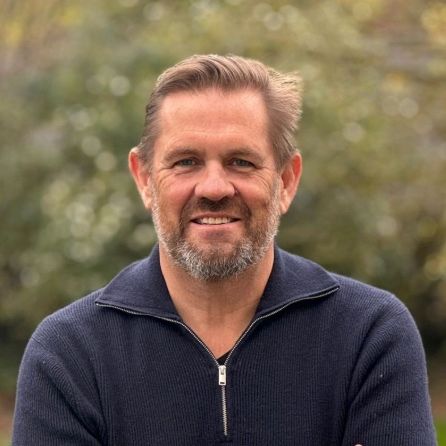
Richard Dennys is a two-time CEO who has spent the last decade building, acquiring, and scaling digital businesses in performance marketing and iGaming. Most recently, he led Game Lounge, where he oversaw the buying and selling of assets, including an eight-figure exit on Betting.com. He has recently moved on to build independently through Free Spirit Partners, focused on acquiring digital businesses at the critical point where AI is reshaping industry fundamentals.
Key topics discussed
00:00 – Business isn’t your friend and why not everyone can be a CEO.
03:00 – Learning commerce on the beach and in bars.
06:00 – How personal loss and business failure build a "second skin".
09:00 – The common enemy: Using market changes to fight for transformation.
12:00 – The Three Horizons
16:00 – The Home Zone
21:00 – Delaying a hard call is never a kindness.
24:00 – The 10:30 Rule: nothing good happens after.
26:00 – Punching Up and managing your manager.
36:00 – Yield vs. Acquisition: What iGaming can learn from retail e-commerce.
39:00 – Blue Oceans: How to build a durable affiliate business in a Red Ocean market.
Key takeaways
Operate in Horizon Two: CEOs must leave Horizon One (Business as Usual) to their operators. A leader’s value is found in Horizon Two, manoeuvering the business toward the future and keeping a watchful eye on Horizon Three.
The "Strategically Boring" Leader: Successful turnarounds require focusing on the "Home Zone" (the existing product and market) to drive efficiencies rather than chasing high-risk "shiny objects".
Dispassionate Hard Calls: Leadership is defined by the ability to make tough calls. Management debt (deferring hard conversations) is a failure of leadership that inevitably increases the ultimate cost to the organisation.
The "Punch Up" Philosophy: Always invest in the relationship with your line manager and the one above them. Empathising with their problems allows you to profile your own branding inside the company effectively.
Build a Brand, Not a Funnel: In a world where SEO is being disrupted by AI, "funnels" are easily replaced. The only durable moat is a trusted brand that users seek out directly.
Memorable quotes
"Business doesn't have feelings, right? It's just not your friend. Commerce, your competitors, everything about life in business is trying to kill you or get you fired."
"Delaying hard calls is never kindness, it's just deferred pain, and usually, that pain escalates."
"If you're gonna complain, complain upwards. Don't complain downwards. Because if you complain down, it spreads and then you get negativity, which kills the flow."
"It just meant that when the wind blew strong, we went fast."
Important links
Episode Transcript
Read transcript
[00:00:00]
Richard Dennys: Business doesn't have feelings, right? It's just not your friend. Commerce, your competitors, everything about life in business is trying to kill you or get you fired.
When hard decisions have to be made you have to be dispassionate about them and just let common sense prevail.
It's one of the hardest things and not everyone can do it.
And that's why not everyone's a CEO
Richard Dennys: My mother died when I was 25. My business failed when I was 38. We lost all of our money, all that kind of stuff.
When you go through this sort of personal challenges, it does build a second skin. You do realise that life goes on, you just withdraw and then come back later stronger. And I thrive on that.
Richard Dennys: We grew by 40%.
All the things we tried, worked.
The first year of lockdown our profits just exploded because we'd got everything in place.
We were already remote.
We already had the systems there.
We already had the team in place.
It just meant that when the wind blew strong, we went fast.
Richard Dennys: You can't have a whole team of people like that because in the end becomes too aggressive and everyone just kills each other.
If you've got the right blend and balance of people that actually are up for the transformation, you can see that there's a common enemy, whether that's a competitor or internal systems or the market's changing.
You've got something to fight for that can be very powerful.
Richard Dennys: Punch up.
So if you're gonna complain, [00:01:00] complain upwards. Don't complain downwards.
Because if you complain down, it spreads and then you get negativity, which kills the flow. But also the managing up is very important, much more than managing down.
I've always thought that in my entire career.
I've always really invested in the relationship with my line manager, and then one above. And it wasn't trying to get around the person above me, it was just to understand and empathise with their problem. Who they're having to deal with and report to, and all the emotional vagaries of that.
Leo (2): Hey, welcome to the iGaming Leader Podcast I'm your host, Leo Judkins, founder of the iGaming Leader Mastermind. And on this show, I sit down with some of the most inspirational and forward thinking leaders in our industry, diving into the real challenges, high stakes decisions and lessons. That shape our
industry
If you are a VP director or an executive in iGaming, this podcast is built for you.
Before we dive in, a quick thank you to our sponsor Sum Sub, the full cycle verification platform. Trusted by top iGaming operators worldwide, sum sub helps onboard players quickly [00:02:00] stay compliant and prevent fraud all without slowing growth.
More information in the description. .
Leo: Hey everybody. Welcome to the igamingLeader I am here with Richard Dennis, who's a two-time CEO, who's spent the last decade building, acquiring and scaling digital businesses in performance marketing and iGaming.
First a web game for seven years and then. Recently at Game Lounge, for the last two where he is recently left. I would describe you Richard, as a, as a turnaround, CEO, whose leadership styles and decision frameworks are really grounded in some of these best business books that we've talked about a lot, but also sharpened through, you know, some real tough battle scars.
And, that's what I'd love to talk about today. So I'm really excited to talk to you. Uh, first of all, welcome to the podcast.
Richard Dennys: Thanks, Leo. It was really nice to talk to you. Thanks for inviting me. Yeah, you covered a lot in that sentence. And before that I was doing all sorts of marketing roles and I had my travel startup, so I've kind of seen a lot. You know, I feel like that guy at the end of Blade. you know, I've seen things that people will [00:03:00] never see.
it's that kind of situation at the moment.
Leo: start off there. you started off quite, um, in traditional business, right? Working with traditional businesses. And I'd love to start there because, from there you started your own thing without a safety net.
Can you talk to me a little bit about, that start of your career and why you went from kind of the traditional to, I'm gonna take some risks here and the things that you learned from that
Richard Dennys: I'm kind of the Thatcher generation. It's a UK thing, and people grew up in the eighties. I was 11 and 1981 when Margaret Thatcher kind of became all about there is no such thing as society. It's all about businesses. It's about small business. Get on your bike, you make money.
The big bang in financial services in the London City, everybody's was, was leaving school and making a fortune. Um, university wasn't so important, so, I kind of followed that mantra really. I couldn't wait to leave school and then drifted around for a few years. I wanted to be successful. I didn't really know what I wanted to do.
My parents moved to another place, so I ended up working on a beach, in a bar, in a shop. I was just always trying to think of ways to make money with my [00:04:00] friends. and in the end I kind of stopped and did finally go to university when I was 22. So I was a mature student and actually that was the making of me that structured my thinking.
I grew up there, there some really good friends I'm still friends with now. And then realized that I had a pension for data, even though I started, it was a degree in textiles. I did, which is a weird one, but I started textiles, but then I migrated. It was at Manchester University. I migrated into a much more of a business and management degree in the school of management.
And I, it really kind of brought my,business thinking out and I really enjoyed it. So I left there and I ended up working in, this is before the internet. I ended up working in,in database management. I found, I was kind of focused on, I really like data patterns. I really find maths stimulating.
I know it's not everyone does, but I just do and that's kind of guided my career. So I've always been the guy in the team in a kind of marketing team where I was working for PWC very early in my life. It was before it's called PWC, it was K KBB and I brand working on market research and working on very early stages of email [00:05:00] broadcasting systems.
And then got hired by a digital startup in Bristol, which is why I went to Bristol, called Sift. And they were doing online communities, which is very, very early stage, and realized that it was all about relationships. And I had come from professional services marketing, which was partners and lawyers and accountants, you know, trying to make relationships with these business people.
And I realized very early on, it's all about that personal relationship. Doesn't matter how technical you are, at the end of the day, humans are humans and people by people. And it was all about that reputation and trust. I took that through with me. I was there three years at the startup. we did the classic thing where, you know, we were all worth millions because the valuation went to like, I don't know, 200 million, 300 million, something we all had shares.
It was like, woo. And of course, the.com dropped came in 2000, 2001. so that all dropped away and I ended up still being friends with 'em, but leaving and just thinking, well, what can I do? My wife and I just dropped out into Italy and we went to live in Italy 'cause we just fancied a, a bit of an adventure set up a travel business, just literally guiding people who were arriving [00:06:00] there.
turned that into a group travel business. It got very big, very quickly thanks to SEO. So I learned SEOI lost SEMI was part of, of that world when web whilst the world was starting. So I was friends with all the founders of that. when Google bought Gotto, which was the online auctioning system, which became AdWords.
It's a very embryonic, and then when that business unfortunately died at the end of the OR with the, the financial crisis in 2008,kind of took those principles and applied them into publishing. And again, long story short, was turning around businesses that had trouble.
And, you know, they were, I, I think the thing was there was a lot of stress in these companies. They didn't know what to do. They were panicking. And because I've been through the stress of failed business before and I, had a bit of resilience, it was helpful for me to be able to turn those things around.
And then, long story short, uh, got invited to work in web gains. Which was, you know, it's noisy, there's lots of people with opinions and, lots of people doing things that aren't core and really focusing. I just, I've just got people to focus, which is exactly what happened at the gameland.
lots of things going on. [00:07:00] Lots of investments, lots of acquisitions, lots of people kind of hanging on the edges, assets that weren't really driving anything. And um, I focused on really kind of core home zone work.
and being not boring business, but being strategically boring. You know, trying to make sure that everyone understands what is supposed to be done and what the expects are. Making sure that stakeholders are happy and confident of your plan.
Leo: Tell me a little bit more about this turnaround, the resilience that you built and the turnaround idea, because that's not for everybody, right? like a lot of people come into businesses, they want, security, a salary, whatever that is, right? it doesn't and there's nothing wrong with it, but it takes a special type of person, I think, to want to go through that.
And then also to have the focus, the sharpness of mind, the calm, to be able to really focus on that, what you call home zone. So where do you think that came from? Richard.
Richard Dennys: I like a challenge. I always like to be in the center of a room, in a party, always, in a rugby term, I'm always going for the middle of the pack. I just wanna be in the middle of it all. and I also wanna bring value. the last thing I want to be is [00:08:00] sitting there. taking a wage and hiding and not doing anything.
I've seen plenty of people in my career that have done that. they go into business and they don't cause trouble and they keep it easy they hide down, they sit on other people's meetings just to look busy. I've seen all that. I was at Nokia for a bit. I saw that I was at pwc.
I saw that, you know, in these big companies, I'm just not that person. I, I thrive on energy. I thrive on positivity and it doesn't always work. people don't always warm to that because they sometimes can think I'm a bit bit too aggressive just in terms of my motivations. But you know, when I'm looking for things, I've been quite lucky that I've been able to choose my bosses mostly.
That's very important to make sure that you care and give a shit about who you're working for. Certainly when I went into into Game Lounge, people kept asking me before that, what are you gonna do? And it wasn't about that. It was who I wanna work for and, and I met the board there and Jonas, and I'm still very good friends with, you know, we,you know, things are very good between us, nice people with a good, honest mandate, but something to do, not just because somebody's left, somebody needs to take their place.
It's like we have a mission. We've got a [00:09:00] transformation plan and that's exciting. And in terms of resilience, My mother died when I was 25. That was very difficult to get through. from a family point of view, my business failed when I was 38. That was very difficult. We lost all of our money, all that kind of stuff.
So, you know, when you go through this sort of personal challenges, it does build a second skin. You do realise that. Life goes on, you just go, you know, you with withdraw and then come back later stronger. and I thrive on that. I thrive on, the challenge. I thrive on the kind of ring the bell sort of commercial person.
I like it when things turn around in a positive. So I think I sent in the prenot that, the first year of gamers is amazing 'cause we just broke every record. We grew by 40%. all the things we tried, worked, and similarly, a game web games. The first year of lockdown, our profits just exploded because we'd got everything in place.
We were already remote, we already had the systems there. We already had the team in place. It just meant that when the wind blew strong, 'cause that's what affiliate is really. You're waiting for the wind to blow. When the wind blew strong, we went fast. So [00:10:00] that's, knowing that that could happen, I think helps with resilience and.
Bringing people in or working people with people who've got a similar feeling for it. You can't have a whole team of people like that because in the end becomes too aggressive and everyone just kills each other. But if you've got the right blend and balance of people that actually are up for the transformation, you can see that there's a common enemy, whether that's a competitor or internal systems or the market's changing.
You've got something to fight for that can be very powerful.
Leo: one of the things that you said, you say that you really value in others and also in yourself, is that you don't wanna bend your leadership to somebody else's will. Right? Like we've all been in those type of businesses where people try to do that, right? Or where people try to. that there's a certain way of leading, where did you discover that?
What, and did that ever break for you where you felt that you had to lead in a style that perhaps, wasn't right for you? Because it's something that's quite I I, I hear you talking about it quite pronouncedly and that, so it's, for me, that's sounds like that's one of your core principles, and I'd love to understand a little bit
Richard Dennys: it's.
Leo: came [00:11:00] from.
Richard Dennys: the leadership team is always the most important thing, and I can't remember actually saying that, but you know, it's not my way or the highway. I'm just thinking about most recent examples and the ones before that. if you've got flow in your management team, you know, concept to flow, which is like everybody's working and it's working well and you know, there's little conflict.
You need some conflict, but not too much conflict. You know, when you've got that position of flow, there's no better feeling. It feels like you are winning top of the league, champions league, you know, all those kinds of great feelings. And even if you stumble, it doesn't matter 'cause you'll pick each other up.
And if you've got. Disharmony or disunity or somebody that starts pulling against that, it can be unbelievably difficult and demotivating for everybody else. So I think that's the most important thing, it's not my way, as a CEO, a business leader, you're not saying, look, you have to follow me.
There's a lot of listenings. And my primary job would be listening, but at the same time sometimes pushing through and not, Compromising on a vision because it can easily get diluted with five people around the table. Not everyone's gonna agree, but you just have to kind [00:12:00] of disagree and commit.
it's a phrase that one of my, very valuable coaches goes through about that ability as a board level team to disagree and commit and move forward even if you don't fully believe in it. And then review and review and review. And if things do start to work, then that's good. If they don't, you can change.
Leo: I think it leads quite nicely to this concept, the three horizons, for people that don't fully understand how that works in leadership style. could you maybe start with just explaining what it is and then secondly, why you kind of stay out of that first horizon, focus more on the second, and how that then evolves into business strategy.
Richard Dennys: I think it's originally from McKenzie. It's a McKinsey concept from years ago, three Horizons. It's basically saying horizon one is what you are in there. It's BAU. Horizon two is just literally kind of. What you're planning for, and then horizon three is right out on horizon, which is, you know, the world is changing.
We're going, the challenge right now is that those three horizons are so plum. I mean, if you look at what's happening with AI and, and Claude, and I mean, I, we had a conversation yesterday or this morning with somebody I had a no, last night I had a [00:13:00] conversation, wouldn't it be great if we had this?
And this morning I got an email saying, I've just built it. And I'm like, whoa, So that third horizon's, like right in our faces at the moment. So you have to work out. If you've got a business that's like 200 people, it's really difficult to, to flip around to, to try and meet the the needs of that.
There's no point in a, in a CEO being in the first horizon, there's no point. You've already set the strategic direction. You have a team of operate operators within your company. It's their job to do the BAU. That's exactly what Horizon wants to be. So if you have an operations team or COO or those kinds of people.
Even the CFO, that's very much business today, business as usual. What are you doing today? And then my, my As a CEO, what I tend to do is focus on the second horizon alongside somebody like us, a chief strategy officer or something like that. Just a plan. So you're slowly, you know, maneuvering the BU in a gentle direction as opposed to saying, okay, shit, we, we've gotta do this tomorrow.
Let's just change the business right now. 'cause that's very difficult to do, especially with multiple people. [00:14:00] If you're a smaller business, it sees you. And then with the minds horizon three, what does it look like? What, what, what are the generations coming up behind us looking like, and what are their taste profiles and how do they buy things?
I've got two daughters in their twenties. They consume and behave in a completely different way than I do, and my wife and my generation in a completely different way. I mean, yes, they're humans, and yes, they're eating and loving and driving and all the other things, falling in love and getting married, having children that we all will do.
But their pathways to get there are completely different. They don't use Google, they don't watch tv. they don't consume the media that we consume. So you are always having to understand what that might look like. Now, you don't wanna go marketing to 15 year olds, especially now gaming and gambling.
But you need to understand that in sort of 6, 7, 8, 9, 10 years what the world will look like. And okay, horizon three technically is sort of between years two and five, but nevertheless, you still need to have that view, of the far horizon, which is otherwise what are the obstacles in the way and where are the opportunities.
Leo: I think one of the big challenges that people have is, not being led [00:15:00] by the shiny objects, right? And
Richard Dennys: Yeah.
Leo: So what you call your home zone. And I, jumping a bit ahead because I wanna talk a little bit about, one of the first things that you did when you came into the game lounge is actually In an environment where people are focusing on many, many different areas, one of the things that, uh, that happened was, selling betting.com, Sportsbook oriented, us facing, not your core strength, something that people have been working on for a long time, and then buying Man Near Casino, which is regulated Europe, casino based, which is your core strength.
So I think one of the things that people have, even when they're focused on long-term strategic second and third horizon. Areas is that they still get distracted, right? Like how do you do that? How do you make sure that you are steering the ship in the right way everybody going left, right, and
Richard Dennys: Yeah. I mean, betting was kind of underway when I got there, right? So it wasn't as if I, I woke up one day and said, right, let's sell it. But it was definitely the decision to finally get that over the line. It was a good deal. It was a good [00:16:00] team that was working there, and now I got, I got well with 'em and we set 'em a couple of challenges when I first arrived and it, it was, it was clear that it.
It was gonna be too hard. And it was a, it was a second horizon purchase. Basically it was something, you know, buying for the future because they were trying to insulate from iGaming, SEO, which they'd gone through a previous period of difficulty. and it probably would've worked. It wasn't for that.
There was an offer on the table.when I got there. And you know, people say, oh yeah, we're gonna do it. but I said, look, well, it looks like we're gonna do it then the board wants to sell it and therefore just happy to do it. And the idea was that we'd take that money and you recycle it into a horizon one purchase, which is what EA was.
It was home zone. And it wasn't just the asset, it was the people. It was very clear. 'cause when you're in this world of m and a, there's a load of people that just wanted. You know, sell and run. You know, here's my site, I'm off. Thanks very much. Gimme the money. Now I'm not saying there's anything wrong with that, but if anything does go wrong in the years to come, it's difficult to turn it around.
And if you've seen some of the competitors and there's lots of purchasing going on from, the other well-known affiliates out there that grew and [00:17:00] grew through acquisition, the founders just disappeared. And when the bedtimes came, then there was no real kind of. Resilience to bring it back.
Martin, the CEO and I got really well, I think it was one of the reasons why they chose us. they had lots of offers from lots to different people and they chose us because I think they felt the chemistry is better. I really liked him in terms of his approach.
He's a very strong financial journalist. We got on very well, chemistry wise. he had some really, really good ideas. On content generation and how to manage a regulated market. And the relationship he had with the, regulator. So we were buying him more than the asset really.
And that's what happened. So it was an easy one. We had lots of things on the table. That was the one that we got over the line. There was still some other good businesses at the same time. But no, that was a very, very, very strong deal and it worked out in everyone's favor.
It was a BAU horizon one, because it just meant we could scale and get the, uh, the multipliers.
Leo: So let's dive into the lesson there. rich for a sec. So, home zone, explain that a little bit more and explain please if you can explain a little bit more [00:18:00] what you found when you arrived at Game Lounge and like how your mind works in seeing those things happening and then going, alright, what are our, what is our home zone and how do I align everybody behind this?
The home zone is effective. You have a, you have aa two by two, and you've got. Existing product, existing market. You've got new markets, new products, and then if you try and do both new product, new market, that's differentiation.
Richard Dennys: That's a high risk. So it's about risk management, you know, where are the big risky areas And the biggest risk you can do is building new products. the second less risk is going to new markets with your existing products. So, you know, launching new Market as an iGaming affiliate isn't that difficult.
you'll spin up some pages. You'll push them out and see what happens. that's quite straightforward. But if you are building a new product, like the sports betting products where we had some predictive, analytics, sports analytics businesses, we had, slot tracker. there's a number of things that we were building in product and expecting to then sell 'em to our existing market.
That's got a much higher risk profile and you need to, push money into development of it. it might not work. There's a, long period of iteration and gestation. so the home zone is [00:19:00] really none of those. It's just basically doing what you're doing, investing in that, investing in people, investing in systems, making sure that the efficiency there.
there was 260 people I think when I arrived at Game Lounge. And then when I left it was about 130. So, the trick is to not necessarily slash the business, but just look at. All of the working processes and all of the duplications. And what you tend to do when you see a business that's grown through acquisition.
there's lots of people sort of hanging around with great ideas, really, really good people, but they're just too many of them. they're getting each other's way. So you have to think of a way of, teasing the efficiencies into the business. Unfortunately, letting people go, but in a friendly way, in a positive way.
keeping them on side as you do that. it's difficult. It's not easy. and, you know, letting anyone go is very traumatic and tragic for the rest of the company. I'd arrived and they'd done a round, there was gonna be another round, we delayed it. And the beginning of the second year was very positive. And, terms of what I found, yeah, I mean, the people are fantastic, you know, everyone there. Gameland are brilliant.
They're really, really good. the trick is to try and get everyone playing properly. You know, it's like being a [00:20:00] football manager. You can have the most amazing players, but it don't work as a team. then, you know, it's counterproductive. You've gotta get everyone focused on the right thing. It was very difficult to do that.
And the other thing that's the challenge these days is the remote nature of work and trying to get everybody really aligned when they're in 16 countries, slightly different time zones. And of course there's layers and layers and layers, so it's difficult to get the message down to the right people.
That was really hard, and that's really hard for every company now. that's the biggest challenge I think any CEO has right now.
Leo: I wanna reverse a few years and talk about web gains. before we were talking about Horowitz and, we didn't really speak about his concept of management debt, but that's really what it comes down to. you said that one of the lessons from wet games was. you learned that the delaying hard calls is never kindness, it's just deferred pain, and that usually, that pain escalates. So tell me a little bit more about that. What was the specific moment when you understood that and what did you take from it, uh, maybe into some of these decisions that you had to make in game lounge?
Richard Dennys: the hard thing about how things is a good book, it's, it's, [00:21:00] it's of its time. It's from the VC era of, you know, and Sandhill Road in, in, in Silicon Valley when they're investing big money into these big technical bets and the concept of things like technical debt management debt. You know that that's, that's where that comes from in, in the way that you are inheriting bad decision, you're inheriting the results of bad decisions.
and I, this is something I had before, before game management, before web gains, because I was doing some work previous to that in business that have got money from the west coast or in the Europe. They then realized that the, or they decided that the first thing they do is software businesses would go to us.
They hired a very expensive. CMO, US, C-S-O-C-R-O, you know, they're spending hundreds of thousands of these people and then it wasn't working, and then they got fired or left. they ran outta money. And then it was like, Richard gets called in, whatcha gonna do about it? And it was like, you've gotta get that debt out as quickly as you can.
I mean, you've got to just chop, chop, chop, go back to home zone, [00:22:00]work out where your money's coming from. Become default alive, not a default dead, which means you're making more money than you're costing. And then go for there. But I never, that wasn't the case with either of web gains or GA gain manage, both are profitable.
they were just a bit lost. That's just basically all it was. And it was just really making sure that identifying the key management people, bringing in a couple of people from external outside and just trying to get that. Even killer then moving forward fast. That's it. But the hard thing about hard things, you know, is people use that book is to say it's a justification for firing people.
It, it, it isn't,but you've just got to be dispassionate. You know, the thing is it, you know, the business doesn't have feelings, right? It's just not your friend commerce, your competitors, everything about life in business is trying to kill you or get you fired, right? So You've always got to bear that in mind.
And therefore, when hard decisions have to be made, you have to be dispassionate about them and just let common sense prevail. It's difficult. It's one of the hardest things and not everyone can do it. And that's why not everyone's a CEO
Leo: it's one of the things that I heard you saying elsewhere as well, is that, really [00:23:00] being a CEO comes down to your ability to make tough calls. That's, that's really what differentiates you and, A lot of people see that position and, and aspire for it. You don't have the ambition, but that they don't wanna be in that hot seats.
Right. Like, you, you spoke about investors above you. you still have a boss, essentially, right? And, and you are only as good as the, as your last quarter in terms of, in terms of, uh,
Richard Dennys: Every ev. Yes, exactly. Yeah, yeah, exactly. That's exactly it. And you, you,
something's happened and you just have to face it and that's it. You just move on, brush yourself off and go on. I mean, everyone's got a boss,
you very few things in life. I mean, you are completely, autonomous and, autocratic. I've said to you before, I think I've said to you before in our conversation, uh, where do I get my centering from? It's not, I'm not there to be the most popular person in the company.
That's just not my job. there to make profits for shareholders, which is what, I've been hired by. And at the same time, if I can do that by having a happy company and, and you know, in theory happy companies are better than, unhappy companies then all to the good.
But that doesn't [00:24:00] always happen. And, and life happens and people happen and humans are different You know, you have a bad down round or you, you go through a period of time where you are very generous to your staff and then all of a sudden you can't afford that anymore and, and therefore the mood changes and it's very difficult to get it back.
You know, that's something you have to always be mindful of.
Leo: and then talk a little bit more about your concept of the 10 30 talks. I love that.
Richard Dennys: The 10 30 rule. Yeah. Yeah. So this comes down to, I mean, I can't remember where I got this from, but I mean, it's definitely my rule. And, um, I was working in travel, you know, it's a very, very, it's like iga. you go out, you meet people, and especially in my thirties, it all gets very exciting and fun, and then it kind of stops being fun.
And especially as a business leader, you've got, you get the honest conversations from your team or from other various different people and it's, I just remember being in the loo once in the toilet, in a bar in Bristol and just mind me, my business, and somebody came up to me and said, why wasn't I promoted?
Why didn't I get that promotion? I'm like, what? And I'm like, okay. And then the, I think the next time I went out, it was another kind of very awkward conversation and it worked out in my head that 10 30 is a kind of [00:25:00]cutoff. If you start about seven by 10 30, that's when everyone gets their confidence in and they feel as though they can say whatever they want to say to the CEO or the boss.
So I just came up with a 10 30 rule is as soon as that clock ticks, unless I'm having a really, really good time and I mean a very safe environment. No one's getting on with me. With a career conversation. Then I just go 10 30 is enough. Nothing good. Happens after 10 30.
Leo: One of the things you did say in that same conversation, it's a while back, so maybe you don't remember, but I'll jog your memory. Is that, How important it is to manage upwards. Right. So you gave an example
Richard Dennys: Yeah.
Leo: you gave some really direct feedback to someone that said that saying, well, actually, you said it jokingly, I dunno who you are. I don't dunno exactly what you do. It was maybe three, four levels, below you, whatever that was. and you said something like, but I actually kind of mean it seriously as well because it's all about profiling it. It's not about being a, you know, being a dick, but it's about personal branding inside the company.
So talk a little bit more about that, if you will.
Richard Dennys: Obviously from As CEO you are always managing upwards 'cause your main people are, they've hired, you gotta make sure that [00:26:00]they're on board with you. And when that ends, you know, it all ends. But similarly with juniors, and I've said this to my kids who are in their first jobs, I think the original phase is punch up lockdown.
So you punch up so if you're gonna complain, complain upwards, don't complain downwards. Because if you complain down, it spreads and then you get negativity, which kills the flow. But also managing up. it's very important that, you know, you have a relationship, at least a hello relationship or a conversation relationship with people above you because number one,
the hardest things about being remote is that you don't have that chance to water cooler with a senior manager and listen to people and look what they look like and see how they react to things. yeah, the managing up is very important, much more than managing down.
I've always thought that in my entire career, I've always really invested in the relationship with my uh, manager, line manager, and then one above. And it wasn't trying to get around the person above me, it was just to understand and empathise with their problem. My line manager's problem to understand who they're having to deal with and report to, and, all the emotional vagaries of that.
Understand where your career path's going and if you even want to [00:27:00]follow that career path. 'cause sometimes you can do that and meet those people and think, Jesus, I'm not gonna do that. That's not for me. I wanna do something else. But yeah, if you are looking above yourself, you shouldn't be intimidated by people above you.
'cause they were just like you were. two promotions ago. and I think that's a very important thing for all people in their first, second, third jobs, is to really invest in that relationship. Sometimes it's difficult, sometimes you just think, you know, they're a dick and you just don't like them.
But unfortunately you can't work with people you like all the time. You just have to find a way of navigating it somehow where you do have a good working relationship with those people. And if it's impossible, then you're in your own place. It's as simple as that.
Leo: I'd love to talk a little bit about the period after, after we games, if that's all right, rich. So you took, uh, sixmonths off to kind of recover physically, mentally, you were looking for the right opportunity, like right person, really I think, mostly
right?
environment to
be in.
it wasn't actually my intention I just felt I'd gone as far as I could with, with, with web games. I could see. Difficulties with, the way attribution was working. [00:28:00] You know, the GDPR laws were changing.
Richard Dennys: The thing about e-commerce, affiliation is that it's very data-driven and you're talking about last click attribution that gets paid for, and as a network it's very difficult to keep on top of that. And with data privacy and cookie tracking and all the other things, it was just like, God, this is really difficult.
I just don't think I'm gonna be able to take this forward any further. And actually that's what's happened in the last two or three years. The industry's really struggling with zero click, attribution and lots of different types of affiliates. So I, you know, I had a good conversation with the owners and said I was gonna drop out, and then they just decided that as part of my notice period, it makes more sense for me to go and garden and leave them to, than to stay managing the company.
I had a long notice period. And anyway, so I got put on leave and then it was a case of, you know, what do you wanna do? I ended up renovating our, property in New Yorker. for three months and just keeping an eye on what's going on. And yeah, it was definitely, it's like, who do you want to work with?
Who are you gonna get passionate with? When things are going against you, who are you gonna trust? [00:29:00] And it's all about who you wanna work with. and that's definitely the conversation that I had on the way into Game Lounge and even now come at the other side, are still very good terms with those guys.
they're brilliant. Jan is fantastic. Project's, fantastic. All very good. so it wasn't been difficult to move on. and the same will be next, you know, whatever I do next. I'm looking at all sorts of things, but I've been very lucky to have been able to make some really, really good.
Network contacts over the last two years and before that, in e-commerce, some really nice good people. Obviously there's some sharks and some bad guys and all those kind of people out there. And you know,in the main it's good and I'm looking forward to doing more work with more people like that.
But again, I'm, you know, right now I'm, I'm, I'm, I've got a business that's, that's wants to work in corporate development. There's a big opportunity to consolidate in the industry. I'd like to be part of that. AI is now creating new inflection points. You know, the whole thing around, canonical, SEO that's really blowing a hole in the middle of SEO affiliation needs to be managed and understood and, you know, there's a big opportunity there somewhere.
So, you know, that's [00:30:00] kind of where I am.
Leo: You, uh, after those six months, You obviously joined Game Lounge. You spoke about it a little bit. next called you an industry novice, which like, I dunno, everybody always does it in igamingsomehow, right? Whensomebody's new. But you took Game Lounge from 22nd to 13th in EGR Power affiliate ranking, generated 60 million in cash flow, which is your number one KPI.
Right? We're talking about it before we started recording. but then you,uh, you left recently, so how did that happen? Talk a little bit more about what you can share at least.
Richard Dennys: again, I've gone as far as I can and, I won't go into too much details, but it was,very amicable, you know, it wasn't, it was just, we sat down one day and said, you know, this is just isn't working. and also Jonas is stepped back in as an interim CEO.
He's a great guy. You know, he is got founder energy, which is something you need especially in a business site. Specialist game, like with the people they've got, you know, him and Frederick are just so fantastic at just getting shit done, and pushing the buttons they need to push. It just makes sense.
It just made sense. So, yeah, I mean, that's pretty much where we are again. It was very amicable. It's a great company, very happy. we're all still friends, [00:31:00] still messaging each other.
Leo: And so, , you are in that same reflective period I suppose, that you were in perhaps after, after the previous role. What, like what is that? what's coming up for you now? What are you gonna do? You know, what you want to do and where you wanna, where you want to go?
Richard Dennys: I'm good at fixing things and there's a lot of things that need fixing right now. I've been really busy the last couple of weeks, really, really busy with people just talking to People are asking me about. Some of this tough stuff that's going on in our industry right now. You know, I can help them. i'd like to be some kind of consolidator. There's some good value in m and a right now.
I set up a partnership, really a consultancy partnership, just to see that with projects I can look at that are gonna make a difference to the industry, it's massively in change. And I spoke to someone yesterday and then they delivered a product this morning. Now, what does that actually mean?
What does that mean for the industry? What does that mean for regulation? What does it mean for player safety? What does it mean for black market, white market regulation? there's lots of things around that. I mean,there's so many things that this massive rate of change will bring in terms of opportunity.
And it's people and you know, you can't [00:32:00] replace the affiliate relationship with affiliate dialogue with machines. You just can't, because at the end of the day, you're trusting it. So you've got media, you are lending it to another partner to then monetizing them, bringing the money back.
Now, if you think you can do that through. Agents and robots. It is just not gonna work. That trust will never exist. And this is purely plumbing and that just will never happen. 'cause then you've just got programmatic advertising. and, And business in general.
If you think about, okay, I'm gonna build, I'm gonna build a new business and buy a new business and whatever it might be, what you are building is the relationships you're building, the deals, you're buying the things that humans have put in place. and the moat may have changed, but that human to human is still there.
Still, it's a trust industry and I know that there's a lack of trust in our gaming and affiliation generally, but there's enough of it there to make a difference. and that's the measure. And even branding, any kind of marketing is just a brand is a brand promise. It's all about trust.
Leo: I've got three questions from our mastermind members actually, so Michael, asked what's your take on, layoffs, taking place inside the industry?
Do you [00:33:00] think it's transitional or fundamental or just following the wider economy?
Richard Dennys: yeah, I saw them. I've seen various different messages about that and people are going, oh my gosh. You know, when will it end? We are in a transitional time. it's akin to when I said earlier about the the first.com boom. There's a, there's an article by a guy called Clay Shirkey back in 1999 I think about, what should newspapers do to survive the internet age and his article, like, the answer is there's no answer.
You know, there's a total disruption going on. Now, I'm not saying that igamingis going through that right now because it's a digital business However, you know, the fundamentals used to be right? Very good, high quality content. Get it into Google better than your competitors can, and Google reward you with positions.
Now you know that position is completely disappeared. That's gone. and you can argue that yes, AI isn't as good as a human writer, but it's good enough and, and as we're saying at the moment, there's canonical stuff in the SEO results. people are gaming it. the news is about how Google works as late last summer, so people have kind of worked it [00:34:00] out.
So that's, that's a fundamental shift in how it's going now. Where's that moving to? It is moving away from, like I say, you know, the kind of build the funnel and they, you just guide the traffic down. It's to much more layer relationship management, CRM, rewards, retention, making sure you have a really good relationship with your existing customers.
So I think it's a replacement. It's not necessarily a, you know, getting fields. It's just, it's just a re kind of tooling of understanding. I mean, we'll see what happens. I think what will happen is there'll be a big, like, let's get rid of all of our content.
let's get rid of all of that stuff. And then they'll realize that they've gone too far and then they'll start rehiring again, but maybe in a different way. But no, there's definitely a, again, like I just built a dashboard last night, the dashboard that I always wanted again now I was just kind of built it in an hour that I couldn't get in two years.
So it's, those sort of things are just unbelievable data science and. All those kinds of things you can put into the, LLMs, that's just amazing. But there is a limit, right? and we'll hit that limit quite soon, where people start to stop trusting it or [00:35:00] the costs of running these things are so high that they're gonna put the charges in.
So Anthropic might become very, very expensive, more expensive than you can afford. So, you know, don't build your business on that stuff too early because, you know, it might end up costing you more than you thinks,
Leo: so to Tom, you know, Tom Galanis is asking,
Richard Dennys: Yeah.
Leo: in the broader affiliate marketing world previously, what's one thing that exists, as a standard practice that iGaming has simply failed to adopt and should.
Richard Dennys: data privacy seems to be completely ignored. Gaming. I mean, I can't tell you how many times I've seen a secret list of 50,000 players with all their details on it. I mean, this is unbelievable. Shocking every time I see it. And then people just aply stuck him into their database.
but then on the other hand. It's a virtual product, so it actually moves faster than e-commerce. E-commerce is limited by things like, delivery returns and all those kinds of things. You get when you are shipping products and product availability. And
the profit margins are much, much lower in retail than they are in gaming. and that can be a good and the bad thing 'cause they're making so much money. Oh, there's so much money to make. it draws in some very interesting [00:36:00]characters that you probably wouldn't see so much if you do see it in e-commerce.
And of course, you see there's plenty of, uh, you know, bad affiliates there and they're cookie stuffing and dropping and all the other things that you don't tend to see so much here. but this is a much more enjoyable industry to be in.
mean, there's so many events, there's so many opportunities to, to meet people. It's like every week there's another thing. and in, in retail you don't have that. I mean, you might, you might have won a quarter if, if you are lucky, unlucky. But yeah. I think that's in the main difference is, is really around data and, and what people are prepared to do and not do.
But it feels much more sharky in this world. Of course,you've got, yeah.
Leo: I heard you saying before, Richard, especially in e-commerce, because slower margin, there's so much more focus on yield, whereas, you know, when you think about the different stages of players and maybe the different buckets that you would put them in from a more traditional CRM perspective.
Richard Dennys: yeah, definitely.
Leo: in iGaming is more about the acquisition, like the initial thing rather than the value optimization.
Richard Dennys: Well, yeah, exactly. And I think the industry. From affiliate point of view has been totally [00:37:00] addicted to free traffic from Google. And that's not something you'd necessarily, you would see a bit incom e-commerce 'cause that's the voucher codes. But that was never the real kind of focus and point of what it is.
you've got things like close use groups, got blue light card or you've got money saving expert or deal. There's communities of users that are very aff, have a lot of affinity with affiliates that you don't really get. Affiliate would use one of game manager's sites or one of, legend sites or one of gambling sites.
they just flip around. There's no relationship to it. Even us gamblers and Casino guru, they're just there to moan about when they haven't got paid. they've got the payouts. That's kind of what that is, I just don't think they, I don't know, maybe I'm wrong, but it doesn't feel as though they're fighting on their side.
Whereas in some of these cases, like Top Cash Back or Quick Co, it feels like they are trying to bring the right deals into them to get discounts. it's much less sophisticated in, in iGaming in terms of attribution and who's driving sales and, the layers of influence.
I mean, there's a bigger debate now, isn't there in this industry about influencers and whether they're worth it or not. But I think that's the wrong question. [00:38:00] if an influencer is raising your brand and making your brand well known, there can be a lagging factor, but people remember it as long as it's promoted enough, you don't have to get an FTD on day three.
You just need to make sure that. there's an affinity between that influence and brand and actually your brand
Leo: Yeah, I think that's always historically been the difficulty in iGaming. You know, there is so much focus on direct, instant ROI and direct traffic rather than brand building and long-term value creation. because it's not directly measurable. Right. And that's the hard piece.
And I think that's, as margins get
squeezed.
Richard Dennys: be And it's the opportunity,
you look at those, you're seeing at. Best non gam Casino uk, you know, dot com.
Leo: Yeah.
Richard Dennys: That's not, that's not a brand. I mean, that's just a funnel. and those funnels can be replaced tomorrow. And I know that everyone's chasing their money today, but if you can build a good brand that people trust and you've got the relationship from a CRM point of view, and they really believe in you, and they go to you first, they don't need Google.
They'll,they'll just follow you wherever you go. That's very important, and people forget about that, but it takes years to do that. You can't just do it [00:39:00] overnight. And the challenge with branding is, I think it was Rory Sutherland or somebody said it, you know, the brand challenge to make something new, feel familiar.
Something familiar, feel new there. There's always the challenge of that. So you, if you've got a very strong brand like toothpaste or cereal, you're always having to try to think of brand invention. And if you've got a brand new casino or brand new whatever, you need to make it feel familiar. That's why they do these attachments to famous people to say, well actually know if they,attach themselves to it, then you can trust us.
But that's always the brand challenge of anything.
Leo: And, and last question is from Josh, founder, CEO of two businesses. And he asked if you were running a UK focused igamingaffiliate business today and been. Reliant on SEO and just taking a major hit to traffic and revenue, like everybody. what would you do over the next six to 12? to rebuild it into something more durable. And what is the one thing most people in that situation are getting wrong right now?
Richard Dennys: You know, SEO affiliation right now is a totally brims and red ocean with the players in there and they're just, so, I think you've gotta build, [00:40:00] and I'm having this conversation now with myself, you know, should I build another affiliate using the sort of e-commerce principles that I know and yeah, I would do, but I would start.
As a user group, I would start with 50, 50 people that you know are loyal players. I'd start with a small group of people, whether it's a WhatsApp group or telegram group or something, and then build it that way
The social media to a more, a web media based or even an app, media or a product, and go that way. I certainly wouldn't try and get number one on Google tomorrow because there's just too many sharks in that water. You need to work out where the blue ocean is. The blue ocean is an open, an open ocean.
you've got to yourself And also really focus on a particular niche. Because if you're going for all players, I know that, you know, poker players, but they're not the same. And you've got girls and boys, and you've got older and younger, and you've got people in one country, in another country.
It's all about niche, to get going. And then once you can get that niche going, it's about pushing out from there.
Leo: It makes sense. Blue ocean versus red ocean. I always love that concept.
Richard Dennys: with the tax rise in the UK now it's the reddest of Redoc Oceans. It's gonna be so difficult to do [00:41:00] anything. It cost a fortune
Leo: to get anywhere.
Okay. That's my, my questions, from the group, last one from me, mate. if you like, if you would go back to kind of where you were starting out as a, as a new CEO at Game Lounge, when you first, moved into, into iGaming, what's something that now in retrospect you would kind of tell yourself to do differently in your first. Let's say three to six months, if anything.
Richard Dennys: no, I don't think I would, I don't think I'd change anything the first six months. I probably year two may have been a bit more aggressive on, pushing strategy away from SEO, but I don't know, I've got no regrets. there's nothing you can do about it, so there's no point.
I'm looking forward to the next, whatever it might be. I, I, no, there's nothing I would change. Nothing at all. I think it was a good stint.
I cleaned the business up. It's in a much better position structurally than it was. the guys are in there and they're gonna do well.
Leo: I love it, man.
Richard Dennys: yeah. Yeah.
Leo: thank you very much for, for being so open and honest and talking. Uh, spending your time together today has been fantastic. Thank [00:42:00] you.
Speaker: Thank you for listening to the iGaming Leader Podcast. If you are a vp, a director, founder, or an executive in iGaming making the biggest decisions alone, that's exactly what I've built. The iGaming Leader Mastermind for Small inner circles of vetted senior executives weekly hot seats. And accountability from people who understand the effects of the decisions that you need to make.
Find out more and apply@igamingleader.com. And a final thanks to our sponsor, sum Sub, the full cycle verification platform for iGaming operators player onboarding a ML fraud prevention all in one place. More at sum sub.com/gambling. See you next week.

Want to learn leadership strategies like
Richard Dennys
Related podcasts
Podcast Episode
50
38 min
I Can Survive Anything: Cancer, Career, and Cutting the Bullshit with Line Peteri
Line Ho Young Peteri
VP - Strategic Partnerships at ATFX
Listen now
Stress Management & Resilience
Leadership Development
Navigating Pressure & Change
Podcast Episode
41
53 min
Taking the Mask Off: Leadership Through Doubt, Pressure and Authenticity
Jovana Popovic Canaki
CEO - iGP
Listen now
Leadership Development
Work-Life Boundaries
Building High-Performance Teams

Podcast Episode
32
39 min
Leaving the game: Reinventing my career at 36
Antti Koivula
Legal Advisor at Legal Gaming Attorneys at Law
Listen now
Wellbeing and Recovery
Work-Life Boundaries
Stress Management & Resilience