

Podcast Episode
45
43 min
Feb 6, 2026
The "Bait and Switch" of the C-Suite: Dealing with the gap between the job description and the reality of a company in trouble
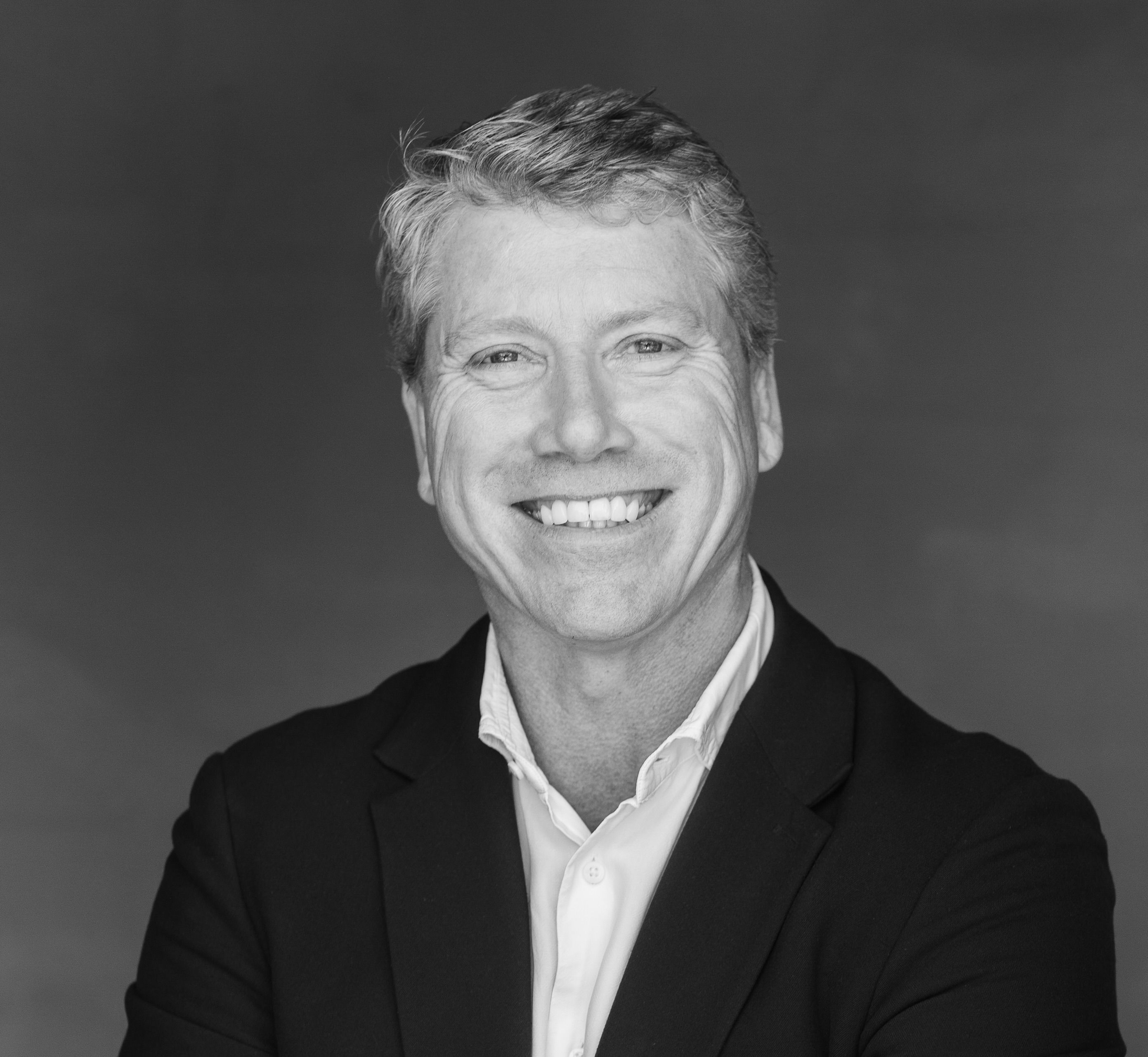
Ian Freeman
In this episode of the iGaming Leader Podcast, Leo sits down with Ian Freeman, a commercial powerhouse who has navigated the high-stakes world of Kambi, IGT, and Inspired Entertainment.
Ian pulls back the curtain on the "Bait and Switch" of executive leadership, the moments when the glossy job description meets the grim reality of a business in crisis.
Ian reflects on the formative trauma of losing his father at 20 and how carrying a family legacy forged a "survive and thrive" mentality that defined his career.
He shares the brutal honesty of walking into his first board meeting at a new firm only to realise the company was on the verge of insolvency, and how he learned, through painful trial and error, that coming in "too hot" can sometimes fuel the fire rather than put it out.
TOPICS COVERED
Strategic Execution
Stress Management & Resilience
Leadership Development

Podcast Episode
45
43 min
Feb 6, 2026
The "Bait and Switch" of the C-Suite: Dealing with the gap between the job description and the reality of a company in trouble
Ian Freeman
In this episode of the iGaming Leader Podcast, Leo sits down with Ian Freeman, a commercial powerhouse who has navigated the high-stakes world of Kambi, IGT, and Inspired Entertainment.
Ian pulls back the curtain on the "Bait and Switch" of executive leadership, the moments when the glossy job description meets the grim reality of a business in crisis.
Ian reflects on the formative trauma of losing his father at 20 and how carrying a family legacy forged a "survive and thrive" mentality that defined his career.
He shares the brutal honesty of walking into his first board meeting at a new firm only to realise the company was on the verge of insolvency, and how he learned, through painful trial and error, that coming in "too hot" can sometimes fuel the fire rather than put it out.
TOPICS COVERED
Strategic Execution
Stress Management & Resilience
Leadership Development
LISTEN ON
The "Bait and Switch" of the C-Suite: Dealing with the gap between the job description and the reality of a company in trouble

Ian Freeman, former CCO & CRO, is a veteran commercial leader with over 20 years of experience across Europe, North America, and LatAm. From driving Kambi’s landmark IPO to navigating the complex regulatory waters of Brazil for Inspired, Ian has seen the industry from every angle. Beyond the boardroom, Ian is a devoted father in a blended family and a passionate fly fisherman who finds his clarity in the silence of nature.
Key topics discussed
00:00 – The First Board Meeting: Realising there wasn't "another page" to the numbers.
03:00 – Formative Crisis: Losing a father at 45 and taking over the family legacy at 20.
07:00 – Breaking Down: The moment Ian realised he was living his father's life, not his own.
08:00 – Fishing with Ted Baker: Lessons in entrepreneurship from the riverbank.
10:00 – The "Moxie" Days: Learning the John McMahon sales toolkit
13:00 – The Scandinavian Consensus: What iGaming can learn from Kambi’s leadership culture.
19:00 – Walking into Insolvency: How to lead when everyone's "hair is on fire."
24:00 – The Danger of "Coming in Hot": Why speed isn't always the answer in a turnaround.
28:00 – The Fear of Failure: Admitting when you need help in the C-Suite.
33:00 – The B2B Sin: Why failing to deliver technology is "killing" your customers' businesses.
40:00 – Living for Two: How Ian carries his father's legacy into the next 20 years of iGaming.
Key takeaways
The "Survive and Thrive" Trap: A high-octane growth mentality is a gift during scale-up but can be a liability during a turnaround. In a crisis, leadership requires calmness and "understatedness" rather than just pushing harder for revenue.
The Leadership Vacuum: Organisations in crisis usually have an inherent leadership vacuum. Stepping into that requires the courage to slow down, re-baseline, and manage the "pulse" of the business before chasing the next quarterly target.
Authentic Vulnerability: Admitting "I can't do this alone" is not a sign of weakness; it’s a strategic necessity. Isolation in the C-suite often stems from a pride-based fear of failure.
Commercial Responsibility Ends at Delivery: A CCO’s job isn't just to throw names into the pipeline. In B2B, the commercial lead must own the delivery risk, ensuring technology and product teams are truly aligned with the customer's survival.
Nature as a Partition: High-performance leadership is unsustainable without a way to "quiet the mind." Whether it's fly fishing or gardening, find an activity where the "passengers" (stakeholders/staff) can't ask you for anything.
Memorable quotes
"It’s probably the most present I’ve ever been in my entire life... You’re doing it for love, you’re doing it for legacy, you’re doing it for something that is a greater good."
"I wasn't the safe, calm pair of hands that was gonna guide us through these choppy waters. I became somebody that was just survive and thrive... but actually what we really needed to do was just stop and think."
"The crime is to kill their business through non-delivery. You’re killing them. It’s a value question: what are your values around this?"
Important links
Episode Transcript
Read transcript
Ian Freeman: [00:00:00] First board meeting, met the stakeholders, met the investors, founders were there.
Went through numbers, looked for projections. It's like, hang on a minute,
surely there's another page here.
We're gonna turn over one more page and it's all gonna be all right.
But it wasn't.
Ian Freeman: You actually find yourself in kind of a turnaround environment.
Which is: oh my God, everyone's hair's on fire, there's organisational malaise, there's silos within the business units.
And it's like,
how do you talk about the harsh realities of what you're finding and still keep a team motivated and deliver on the revenue targets you've got?
Ian Freeman: 45 years old, sadly died very suddenly
just three months into this country pursuit business that he had invested in and it was his dream.
You don't really grieve.
You're just thinking, oh my God, how do we deal with this? It's my father's legacy.
And so we gave it a go.
It's probably the most present I've ever been in my entire life.
Ian Freeman: I'm sitting there fishing with Ray Kelvin.
He was inspired to set up the Ted Baker brand whilst fishing.
This amazing entrepreneur sitting there telling me how stuff works.
When you get those stories from people and you're sitting on a bit of land and you feel static, you wanna get out there and do stuff, you know?
I've gotta [00:01:00] do stuff.
I've gotta do more.
There's gotta be more than this.
There are very different environments.
Are you really thinking through what you're stepping into?
Have you got the tools to succeed?
Are you the right kind of person for that role?
Ian Freeman: All the grief caught up with me. I just broke down,what am I doing here? This isn't my life.
You do these things for love and you do these things 'cause it's your family and it's a privilege to do these things.
And so had a chat with my mom.
She was amazing. She was like:
look, you have to go and do what you wanna do. Go on, boy. Here's your little spotted handkerchief. Go and live your you know? And off I went.
Leo: Welcome to the iGaming Leader Podcast, where we uncover the human side of some of the most inspirational leaders in our industry. I'm your host, Leo Jukin, and as an ex iGaming director term performance coach, I've worked with over 200 leaders from companies like Tain 3, 6, 5, flutter, and many more to help them build the habits.
To achieve sustainable high performance.
In these episodes, we share exactly what it takes for you to achieve the same. So with that being said, let's dive [00:02:00] in.
Leo Judkins: Hey everybody. Welcome to the iGaming Leader Podcast. I am here with Ian Freeman. Ian's been the CCO and CRO at Cambi I-G-T-F-S-B. He's led IBOs and global transformation, but. Ian's leadership wasn't forged in the boardroom.
It was forged in a crisis at 20. Today we're gonna talk about the bait and switch of C-Suite and what it actually costs a human to prepare a business for exit. So Ian really glad to have you here. Welcome to the podcast.
Ian Freeman: Thanks Leo. That's the great expression. Bait and switch. I like that. That'swell. I was part of the management team at can that went through the IPO process. It was very much led by Christian Nand. So, but thank you. Thank you for
Leo Judkins: Of course, of course. Of course.
I wanna start with your dad, if that's all right. so it's a beginning for most people, right? Where our fathers have been a real influence on how we do business and how they shape our careers.
Your dad has had a profound impact on your career as well, but, most benzos at 20, you were, you were carrying [00:03:00] his debt. And a business that wasn't your dream, Take us back to that, that situation in your twenties and what that looks like.
I'd, I'd love to start there if that's okay for you.
Ian Freeman: You know what, Leah, as you're speaking, I'm getting tingling sensations of somebody else talking about my father. It's a weird sensation. It's just run through your body. It's like a little bit of electricity. So happy to talk
Leo Judkins: I.
Ian Freeman: Look. I mean, yeah, it was really sad. 45 years old, just three months into this country pursuit business that he had invested in, and it was his dream. Sadly died very suddenly. this happens tragically, and I'm not the only person to experience this, but I think it was quite formative for me and my family. we had some choices at that time. He'd invested a lot of capital into the business.
There was an equity gap. Of course his income had gone and we couldn't cover it between us. The question was, do we sell? which would've left my mom in a bad place, quite honestly. do we try to do something with this business? and At that time it was a kind of a. complicated. 'cause you're grieving is a, you,you don't really grieve. You're just thinking, oh my God, how do we deal with this? This is a situation nobody [00:04:00] expected. I said, look mom, I think we can do this.
Let's give it a go. It's survive and thrive or do we fail and it feels like we're gonna diminish And it's my father's legacy. She was brilliant. She was like, look, I back you. Let's just give it a go. I mean, she's amazing. she had worked with him over the years. They set up a few businesses, you know, she was like the. the COO to his entrepreneurial character. Do you know what I mean?
He left school at 14. He was trained as a carpenter, didn't have money, do you know what I mean? And just, just try to make stuff happen. And I, he used to take me on his business trips when I was a teenager and
i'd hear him speak pigeon French in Belgium and in France. It was just brilliant. You
Leo Judkins: Yeah.
Ian Freeman: was just like, well, He is just in awe of this stuff, you know? he just made stuff happen and, it was a shock. We were also shocked and we found ourselves trying to set up this business. the idea was to set up corporate days for fishing, a bit of shooting. There was some property that was gonna be retail. There was a property that was gonna be sort of catering and all that kind of stuff but it was embryonic and it wasn't started.
And so we gave it a go. The funny thing is, Leo, in that time, you don't think about anything in the linear sense. You're just surviving. It's probably the most [00:05:00] present I've ever been in my entire life. you're just doing it you're doing it for love for legacy for something that you is a greater good,
you couldn't really see that it was gonna create a huge amount of wealth for anybody. It was more of a lifestyle business.
in the moment as a family, the three of us, my sister and my mother, I don't think we ever had the chance to really process it. We were sort of, oh my God, how do we deal with this? it's like land and fish and livestock and dead stock.
it was just like, what is all of this? because it was very much his thing, but the chance to create something in his name we very much. Did that we built some brick piers and put a plaque up there for him.
we did a lot of things in honor of him. It was just a privilege to do that. it was a way of staying attached to him. Yeah,and attached towhat he represented. I thinkthat idea of growth entrepreneurship and anything's possible you can go out there and make stuff happen. that was him, that was definitely him,
But the key
was We wanted to help my mother and make sure she had this retirement, it was a privilege to do it, honestly. But, I was just two years into it, we set up the infrastructure, dealt with all the bank managers and learned the [00:06:00]operational procedures We marketed the business, ground roots. How do you set up a small business? then all the grief caught up with me. I just broke down sobbing. what am I doing here? This isn't my life, you do these things for love and you do these things 'cause it's your family and it's a privilege to do these things.
But I started to feel detached and really unhappy in this space. You know, it was just too much too soon. And I didn't see that I could do more than I'd done in a way that was gonna make everyone happy. had a chat with my mom. She was amazing. She was like, look, you have to go and do what you wanna do.
You've gotta do it. You know, go on, boy. Here's your, here's your little spotted handkerchief. Go and go and go and live your you know And off I went. So yeah, it was very, very formative for me, all of that. He was amazing. but it was extremely formative because you always want to replicate what your parents have done or in some way if you had that kind of upbringing, you want to be like your dad.
And I guess I wanted to be like my dad. Yeah.
Leo Judkins: I love it. Ian, thank you for sharing that.
and how was that moment of deciding to [00:07:00] let go? That must have been heartbreaking as well because it's like leaving this last bit that you feel you've got leftbuilding that legacy. from what I read and what we discussed, you tried to create it into a scalable business or into a business that you could move away from.
How was that letting go?
Ian Freeman: It's really hard. I don't think I've even let go of it now, it was really formative. It's imprinted. It was blood, sweat, and tears, building that business, butIt was so unconscious, Leo that it was more driven than it was so unconscious. this is not my life. So you have to move on and do something else. And yes, it's very painful. It always stays with you, The learning that you got from that and the empowerment that my mother gave me to trust me to be able to do that. I think all of the learnings from powering on through, setting up all of the different micro elements of that business. learning to deal with customers. Oh my God. Who wants to deal with the public? learning to set up corporate days. we had Ted Baker come down one dayRay Kelvin with his group from north London.
And we had a fishing day and a barnyard day. straw [00:08:00] bales lying around and a bit of music and we treated him to this kind of country day. And it was,it was fantastic. And so you have moments like that where it feels like a dream. I'm sitting there fishing with Ray Kelvin, you know, who is Ted Baker? he told me the story that actually, you know, when he was, he, he was inspired. to set up the Ted Baker brand whilst fishing, which is why he always takes his team to a fishing event, for him, the reflection time, the zen-like experience he had while he was fishing helped him come up with this idea Ted Baker, the name of Ted Baker.
I knew he wanted to do men clothing, brand, how to position it. Ted Baker seems like London enough to be a global brand. and that was it. And away he went. So he was always in the rag trade. So,
Leo Judkins: Yeah.
Ian Freeman: guy, this amazing entrepreneur sitting there telling me how stuff works. it was fantastic, but when you get those stories from people and you're sitting on a bit of land and you feel static, you wanna get out there and do stuff, you know, I've gotta do stuff. I've gotta do more. There'sgotta be more than this.
Leo Judkins: So Ian, let's talk a little bit about how you actually came into the industry. You didn't start in iGaming, you rolled into it. Talk us through that and a little bit [00:09:00] more about
Ian Freeman: trying to set
up a few businesses myself and with partners fixed line, mobile telecoms, small, small to medium sized enterprises, trying to make that happen, all that kind of stuff. One moderately successful business.
Sold it made a little bit of money, but this time I had, four young daughters under five and a little bit of money. And I'm going, oh, I, I, I dunno what to do next. Now, I, I don't seem to be really succeeding as the entrepreneur that my father was.
What am I gonna do? Basically, So I invested that money and self-funded this MBA. I just wanted to formalise some experience.
One of my business partners had done one at Imperial, and he was always amazing. And I was like, oh, great. He was speaking a different language to me, which I didn't get right. It's like, okay, I'm gonna do that too. And it was a wonderful year, 15 months or so, and I loved it. And then I came out and I got offered a consulting job.
I had two,jobs. I got offered a consulting job. And I got offered a, a, a regional sales manager role with an American software company The consulting job didn't feel quite right, but it was more money. And, but the cons, the sales, the regional sales job was slightly [00:10:00] right. I need to, I need to reward my, my wife to some money.
I need to earn some money. So I went and did this regional sales in this enterprise software company, company called Moxie Software. And if you've ever seen Glen Gary Glen Ross, you go into a satellite sales team, and they chuck all the bad leads at you.
However, what happened was there was this very small one called Betson in their lead list, and they had a couple of seats. It was a customer interaction management software. the technology was a SaaS model and the technology used to it was a knowledge base email management tool basically..
So they gave me this tiny gaming vertical telco and finance, which was like crazy. Anyway, I started doing, I'd had all this experience and I was so driven because I had four kids, no money. I just paid for an MBA and this kind of survive and thrive thing going on. And yeah. they taught us how to do business development.
You know, this John McMahon story. using a toolkit that I could layer across a bit strategic thinking every time I was finding myself in a sales process. I got up to the decision maker, the economic buyer as they get called. I could talk Turkey with these guys. I could talk about strategy, I could talk about this, I could talk about that.[00:11:00]
I started winning business and it was fantastic. the gaming vertical started to appear like it opened up because again, every like gaming companies realising online was just this amazing space. And it was growing like crazy. Oh my God, how do we handle all these customer inquiries? We need a solution.
Yeah. Can it integrate into open bit? Can it integrate into carner? All that kind of stuff. And so we started knocking down bets on Skybet, Paddy Power, lad Brooks met all these fantastic people, all these great big companies. And there was a guy at the Skybet called Peter Nolan. Sadly departed lovely man who then came from Labworks, went to Sky Bear, working for Richard Flynn, who was asked by Andrew, I think at Odgers and said, oh, you know, do you know anyone who knows anything about.
The gaming space and B2B enterprise level selling. and they put him in touch with me. AndAndrew put me in this process with Cambi and it was a torturous process. And and they didn't, I, they didn't want me initially, there were some other guy.
Yeah. And the other guy, the [00:12:00] other guy didn't take it. Bear in mind it was probably quite a big risk. And then they came back just about six months later, about six months this process went and flowed. And Andrew came back and said, look, actually, they wanna talk to you again. Would you go over to Stockholm and meet with Anders Strom?
Christian Nilan one of the most amazing charismatic entrepreneurs, founder of Unibet. Just an amazing guy, honestly, and, and Christian. Quite an incredible leader. Eric Berg, who's there now. really smart people. Yeah, gave me the chance.
Basically, they gave me a chance. Come in as the CCO. We've got obviously our big customer, Unibet. We've got Path who we're trying to build out front end. And we're trying to, we're gonna try and sell this as a service. Do you think you can do it? I was like, yeah, I think I can do it. And that was it. away we went.
it was a struggle at first because trying to sell this outsource managed service into the UK market at that time. It was interesting 'cause we had no fractional odds. So that was a challenge in the first instance. but we got there in the end.
Andwhat I learned about this team of people was this Scandinavian consensus culture way of working was quite incredible Anders and Christian had handpicked people who were sitting on this management team, Jonnes Jansen, who was the head of [00:13:00] trading. He had a guy called Christian Freeberg, who's incredible, was the head account manager who ended up reporting to me another incredible guy called Tony Johansen, who's now.
set up Guino and like phenomenally successful brand, you know, and these guys were just incredible. they helped me through some personal stuff. In the first three to four months, I managed to knock down a deal by doing a deal with Ed Ware at 32 Red. he was one of our first customers outside of some of the Spanish market.
Ed was brilliant. Thank you, ed. 'cause he turned me down first. He's gonna go with SB Tech. Yes. I said, ed, he said, lean, this is not what you want to hear. I know. This is not what you want to hear. I remember those words. I said, ed, can you please talk?
So we met up in a hotel, obviously Ed being Ed, staying at the Savo or something. And I said, ed, look, can we just talk? There's a few things I need to talk to you about. I put as much of my learned skills and sales and business development on him. And he changed his mind, bless him.
And he gave us the business. that set me off in the Cambi journey after, after a while. But what I learned from that consensus culture was that we would meet regularly as a team in person. Face to face, we would discuss [00:14:00] all of the different topics and we would share and debate, and sometimes it got very robust.
Christian was always making the decision and would be guiding North Star all the time. That strength of vision is what makes Cambi one of the best delivery organisations, in the industry. it's phenomenal what their business has done in regulated markets.
I mean, it doesn't take any money from non-regulated markets. So when you think about that in terms of the competitive environment that it faces. that experience of working with those guys how they work with teams build teams recruit keep their eye on the goal look at every single problem with an open mind and intellectual rigor, they try to work things so you don't always get it right, but it was very interesting.
Process. And of course as I grew with the business, I got more responsibility and recruited, you know, Kim owning the marketing, owning some of the branding, recruited people like Max. That was great. Max has gone to brilliant things. it was just a wonderful journey and I think it was a successful journey, right?
This is a wonderful and successful journey and it [00:15:00] felt like a team effort and it comes to an end and you move country and you realise oh my goodness, this is a very different culture. When you've got someone who is running, you know, when you've got a leadership team that's running a corporate beast, that's an s and p 500 listed business. When you are working with people who really understand the product and technology it's a different kind of dynamic.
'cause actually they're taking a lot of the decision making away from you. And actually that's very interesting and I think that's a learning to take forward. There are very different environments. when we talk about what do you find when you go in there, you know, learning for me is my expectations,
Are you really thinking through what you're stepping into and do you know what? Have you got the tools to succeed? Are you the right kind of person for that role? I think in the past I thought, yeah, I can do this, and now I think I could do some of that, but maybe I can't do all of it and maybe I need people around me.
Leo Judkins: I wanna wanna dive into the whole switching off and being off grid and fly fishing. one of your big hobbies One of the things that you said that I loved is the fish ignore you rather than ask for anything.
Yeah.
talk to me a little bit more about that traction of [00:16:00] silence, and is that a flight from the zero sum game of. politics of the industry, or is it where you really feel that you're living your dream? is it where your best ideas come up or what is it for you what does it help you with most?
Ian Freeman: some people run marathons, David Flynn might swim from Malta to Gozo. Incredible, right? I've always found that being in nature and fishing subconsciously quiets my mind and allows you to focus on something. Look, in the last five to 10 years, you know, holistic plastics is, are much more common and integrated into business life and they're extremely important, you know, into, into some kind of wellbeing, right? I, I really do believe that. But for me, the act of fishing is not necessarily conscious breathing or, meditation, which isn't for everybody
Especially if you are a hyperactive wanna do stuff kind of person. It's very difficult. Whereas phishing allows you to be somewhat active. But at the same time, your mind is inactive and somehow it partitions that and
Leo Judkins: Yeah.
Ian Freeman: experience
my mind is completely relaxed, you know, mostly I've caught [00:17:00]nothing 'cause I'm hopeless. You know, sometimes I catch something, and you've got a story to tell about a fish that got away, or you've got one in the bag and, and you go to some absolutely stunning spots I remember being in Ireland on the River Blackwater. a fantastic ladythe Irish fly fishing, casting champion, taught me to salmon, spa cast on the river I spent three days on a stretch of the river Blackwater I didn't catch anything in three days. I stood up to my waist in waders, practicing spa casting I had a baby otter, float down in front of me eating a fish. on the third day, I spent three days in the cold water trying to catch one. this little baby auto swim has passed almost like, like thumbing his nose at me. Like, yo, you've got this fish and you can't just literally eating it like, like no more than three yards in front of me. Amazing. for me, that's life.
Leo Judkins: Yeah.
Ian Freeman: I do find it meditative and I've actually took, when I was at Aspire, I took my team out fly fishing. we had a team day out fly fishing, which I think we all enjoyed greatly
Leo Judkins: Yeah.
Ian Freeman: I would highly recommend any kind of. meditative experience like that.
Whatever fits,
Leo Judkins: I had Max [00:18:00] Meltzer on the podcast, and he was talking about how he uh, goes gardening and uh, journals He thought we were gonna talk about business and we ended up talking about gardening and journaling to his daughter on the podcast.
Ian Freeman: Look, I think it's important. at the end of the day, we might be leaders in an industry. We might have had careers, but we're all people at the same time. it takes a lot out of you trying to make these businesses grow, especially, what Max and Damien have done with Strive is incredible.
I mean, it's not
Leo Judkins: Yeah.
Ian Freeman: to break away from a business like Camby find the right. Sets of, investors and technology to go to market in a very complicated market like North America and, claim a position and execute on that in the tribal market, in the commercial market. it's hard work and I think Max and Damien will be, credited. I'm actually surprised Max got time to go gardening, actually. So Credit to him.
Leo Judkins: Ian, I wanna talk a little bit about the reality of business.
Right. So you moved one, one of the things that you said that really hit me is moving family, right? I've done it as well as an expat. You moved your whole family, then walked into your first board meeting and found that the company was on the verge [00:19:00] of insolvency.
how do you lead a team through that? How do you lead your family through like how. How do you deal with that?
Ian Freeman: that was a First board meeting, actually prior to kind of my formal start date. sat the board meeting, met the stakeholders met the investors founders were there. Went through numbers, looked for projections. Obviously I wasn't contributing, just I was an observer It's like, hang on a minute. Surely there's another page here. We're gonna turn over one more page and it's all gonna be all right. But it wasn't, Came outta the meeting.
Great, great, great guys. Great, great. Fantastically talented. it was a shock. However, I do think that. what I went through with my dad's business, trying to get that off the ground.
I don't think it was so derailing because I think you, this kind of survive thrive, mentality baked in a little bit and you sort of go, okay, fine.the mentality I had was, okay, we've gotta figure out commercially how's this working? we've gotta find some revenue because this looks like. an insolvency path, it [00:20:00] felt like when you have product led founders who are globally minded, the commercial function had been somewhat neglected.
And I think that can happen when you have a high growth everybody's just rising with the tide. it doesn't become really difficult to do business. it can actually just be quite easy to do business. a lot of the processes, some of the deals are bad. People get, maybe a little bit lazy, sloppy, whatever, commercially.
that's what I found when I went into that environment. I don't think it's through any fault of anybody. the pattern had emerged such that there was a culture of, oh, it's easy.
the next bit of money's around the corner, this operator or survivor. And what was actually happening was weren't delivering the revenues, customers weren't going live, no revenue taps were being turned on.
Leo Judkins: Oh my God.
Ian Freeman: in a revenue share relationship,
Leo Judkins: Yeah.
Ian Freeman: everybody's relying on these. Little setup fees and you know, it was just a bit of a mess, quite honestly, and I think a not uncommon story in the industry. And so the first thing to do was really do a down with all the team and figure out if they really wanted to be there.
Leo Judkins: Yeah.
Ian Freeman: do you really wanna [00:21:00] be here? 'cause this is the journey we're going on. when you have those conversations, you do find some natural attrition, but then you find some really talented, hardworking people that are just basically holding the thing together and separating out those people and nurturing those people and trying to find a pathway for them to succeed was actually one of the most gratifying things of that experience.
One of those people. Is actually in the industry, absolutely smashing it now. And I see him at conferences I just love him to pieces. He's brilliant. I feel there were two people in that environment. the first thing to do, was to look at the personnel around us, look at how we could find revenue, look at where we could save some costs, which is always a shame, but necessary.
then try and tighten up how we worked with the actual processes of going to market and generating revenue. So it was a challenging time,
Leo Judkins: That's not the first step, right? The, the first step is actually your own mindset. Because you come in as the growth guy. You come in as the
Chief revenue officer or the chief commercial officer you are going to generate revenue and now all of a sudden you are like the chief crisis manager officer, you know?
It's a good point, Leo. [00:22:00] You come in thinking that there's steady state activity, you know there is a number of customers, We are gonna reposition ourselves. We're gonna just shift who we target. We're gonna go into these new markets, all the standard business development stuff. And actually what you do, you land, and this has happen. Twice. Actually in my, in my career in, in gaming, You actually find yourself in kind of a turnaround environment, which is, oh my God, everyone's hair's on fire. there's organisational malaise, there's silos within the business units, and it's like, how do you try to keep your leadership team and your mentors on side? and talk about the harsh realities of what you're finding. and Still keep a team motivated and deliver on the revenue targets you've got.
Yeah,
Ian Freeman: that was absolutely the most challenging thing.
And of course, there's a third factor here the capability to deliver.
it's just this huge backlog of opportunity that you can't execute on. you end up in a crisis mode. and what I think I found most, which you can find being in a survive thrive mode. But when you're [00:23:00] in a turnaround situation, what that requires is patience actually, and calmness and understated ness and rational conversations all the way through.
not panic. And I think what happens is I look back on myself, I say, if you were gonna do that again, how would you deal with it? I would deal with it for sure. I would definitely slow down and be very consistent and measured in that moment, behaving in the senior fashion that I needed to behave.
I wasn't the safe, calm pair of hands that was gonna guide us through these choppy waters. I became somebody that was. What I'd learned, which is survive and thrive and just go really hard at the commercials to keep filling the top of the bucket up and figure out how we're gonna rip this up and generate more revenue.
And actually what we really need to do is just stop and think a little bit.
Leo Judkins: Yeah.
Ian Freeman: Impacts how you go and do things in terms of how you deal with certain personnel, how you set up your commercial teams and the, and more importantly, the [00:24:00] relationships you have with other stakeholders or your peers within the business because. there is a leadership vacuum because the business probably wouldn't be where it was if there
Leo Judkins: exactly.
Ian Freeman: in the first
Leo Judkins: Yeah.
Ian Freeman: and what I learned then is this survive and thrive mentality can come in really hot because that's what you know, and that's what you've leaned on to succeed. But actually, if you do that. you're kind of fueling the fire a little bit in a, in a sense that there's already an organisation under stress. There's already you know, an organisation that's thinking, how do we deal with these things? pushing harder for more delivery, more technology, more customers or new markets, and just not taking a step back, that was definitely something that in hindsight. I would definitely do. And because actually it's the nature of the beast. You're bought in to drive revenue and, and, and drive growth. But actually when you get there and you say, whoa, I need to do that. But actually this organisation kind of right now just needs to stop and just think about how we can just consolidate a little [00:25:00] bit, re-baseline where
Leo Judkins: Yeah.
Ian Freeman: I think managing that is something that at that point in my career, I didn't have the experience to observe and perhaps made some good decisions, did some things that were necessary, but ultimately, should have been more intent on the pulse of the business in the context of the market and just driving,
Leo Judkins: Yeah,
Ian Freeman: revenue and growth.
Leo Judkins: leadership. Calm people down. be the steady state person so that everybody can perform. it's a mistake that almost everybody makes, right? They go in frantic because they wanna make a difference. You were talking about a second situation that was one situation where you walked into that boardroom and you found a company that was second situation, I think was the one where company was under cyber attack.
Right. So tell me a little bit more about.
Ian Freeman: what happened is thatit was already under an enormous amount of stress with some regulatory issues. It had a cyber attack, which was also public knowledge.
So, the leadership at that time was doing tremendously well, quite honestly, to deal with [00:26:00] that. And then they've
Leo Judkins: Yeah.
Ian Freeman: this is a new face coming in four months into the process. One of the largest customers was cleaning up its customer base, which had some other impacts on on revenues, which which the CEO Hass gone public with. And so what, what I found myself in was this. And then of course you had all the legacy complexity of a business that you didn't anticipate either.
Leo Judkins: Yeah.
Ian Freeman: Honestly, this is maybe just a little bit naive,but it's what you find, isn't it?
Leo Judkins: Mm-hmm.
Ian Freeman: open up the box, right?
Leo Judkins: Yep.
Ian Freeman: And you find regulatory complexity. You find market complexity. You find, the governance model is, perhaps not what you thought it might be. so you're dealing with these challenges. And of course, what happens is. As a commercial beast with this kind of survive or thrive mentality, like, right, let's push harder. Let's try and find solutions and bring solutions. and again, it was, I think where this has succeeded hugely in other environments, in this environment.
it was time to keep on saying, I [00:27:00] don't think I can do this on my own, leading these 98 people who have been in this business for a long time. I don't think that I can do this on my own. I need more help. And I think in hindsight, what I should have done is consistently gone with that message and had the courage to say. I can't do this. what I mean by can't do this, I can't give you short-term fixes to these numbers.
Leo Judkins: what was preventing you from saying that though, Ian? What was in the way?
Ian Freeman: I think it was pride, but also you want to help,
come into a business that succeeded over many years and, has taken a dominant position in the market and okay, you find different things sometimes under the hood and it's a fabulous management team leadership team.
But, an inflection point for the business. So what I thought was a steady state growth story was actually a turnaround.
Leo Judkins: Yeah.
Ian Freeman: to try to get that hard messaging across, guys, there's structural issues here I think we need to turn this around. I didn't manage to get that message across in a current [00:28:00] way. So then my fallback position was, and this is really important, Leo, in reflection. It is a little bit based on fear. Fear of failure, right?
Leo Judkins: Yeah.
Ian Freeman: if I couldn't solve that quarterly number problem, it was my fault I wasn't good at solving this gap, in the numbers. actually what I, I think I could have been able to do is consistently, yeah, you can put plans in, say, look, it's two, three year plan. That's what you do. But if you can't get your message across, which is. I really do need some more help than, than what we've got here. And I don't think I'm managing this very well. It's not an easy conversation to have, and it's not an easy conversation to have consistently. Right? Because actually it's like, well, let's revisit the plan. Let's think of something else. Let's open this hood up. Let's open that hood up. And actually, yeah, I think the stress of that, and with combination, in combination with the idea that, you know, again. You can be heroic and find miracle solutions to these problems, and because you're in this quarterly reporting environment. sometimesI didn't manage to create enough space and [00:29:00] listening time to calm down and make a difference.
I wanna impress. And I just came in way too hot. I think that's what I learned.
you have to ask for that support to say, I need some help with this And create some space for that because I think. If you don't, you find yourself isolated. And I think I found myself feeling isolated in that environment, It's quite painful to talk about, but it's 'cause it feels like failure even now. But yeah, I don't, I dunno if it was or
Leo Judkins: Yes.why does that still feel like failure? And why does it feel like failure then and still now?
Ian Freeman: if you are used to hitting numbers consistently through your career as a commercial CCO or CRO, and you are consistently growthI used to work for an, an enterprise er, US American enterprise software company. And that's the way I got into this space we found this vertical. that company their leadership at that time were schooled in the John McMahon sales leadership. Go to market techniques, right? So this is this is an extremely [00:30:00] successful guy who built a, a sign, a kind of go to market business development sales toolkit that I'd got schooled in out of an MBA that I'd funded for myself because I wanted to kind of learn some stuff. And it was like okay, so I've tried to understand business and business context and sales and business development, but now I've been given a toolbox. With these framework of tools that you can use to help you understand business development, sales processes and make the forecasting real is a deal, real money.
Is money gonna come in? Plus, if you combine that with some of the learning you got elsewhere. All of a sudden it felt like golden. And I started succeeding massively in that environment, year, on year, just because I had these toolkits. then I moved into other places you start to succeed using some of these toolkits. So this was the first time I couldn't seem to affect any change. I couldn't do it. I couldn't get something rapidly.
What, so you could lay out a strategic plan, short term execution to find revenue a two to four quarter basis was very difficult for me. And that's why it felt like a [00:31:00] failure. And I think the pressure. you've already got a stressed organisation struggling with a cyber attack, the delisting, you know, the regulatory challenges that it had. And then, you know, you've been bought in to try to grow the business, but you find yourself in a turnaround context. maybe there's a mismatch of job description, skillset and how you go to market to execute. In hindsight it was this idea that. you survive, and thrive which means you go hard at trying to drive growth. And if that meets an organisation that is already stressed and trying to find
Leo Judkins: Yep.
I mean, any, any board position, right? any leadership position, you face choices that are impossible, right? like, there are literally zero good options and you've just gotta choose the least bad one.
and then I, I mean, the thing is, Ian, you are incredibly hard on yourself, which is very typical for a high achiever, you are incredibly hard on yourself reflecting back. And it's so easy to do. We all [00:32:00] know that it's so easy to do looking backwards,
Ian Freeman: I think what happens is when you go into these leadership rolesyou are challenged with how do you create enterprise value is often one of the big questions at board level. Whether it's a business backed by. Private equity, a business that's, you know, shareholder is listed on the, on the, you know, s and p 500, whatever it is, and shareholder value, enterprise value. And so how do you connect that overarching goal with execution in the business? it's really a fundamental part of what the C-R-O-C-C-O should be doing and looking at and saying, okay. Well, this is what we're intending to do. This is how we create some value. Are we gonna execute on that? Right? fundamentally when you come into a role and you're looking at creation of enterprise value, we know what they're trying to do, okay? We're gonna build some value into that business. We're gonna go into regulated markets, and we can connect the dots on which regulated markets they might be, and we're gonna create enterprise value. And [00:33:00] get some good returns for all of the, all of the share stakeholders involved.
the challenge I found is that you walk in start scaling a business, and you can take a position in the market, you can build a team. We need visibility on the pipeline.
So you start putting the pipeline and the forecast into the board meeting, into the management meeting. Everybody's aligned. Oh, this is exciting. Look, we've got some tier one opportunities. We've got an opportunity with a state lottery, Fantastic. Everyone's excited. You've got the team galvanised around the messaging.
Everyone's doing their jobs at the business development level. But then what happens is, oh,we didn't know and we haven't scoped this properly, for example, and especially in the B2B environment, classic, oh, it's not scoped. 'cause that, you know, there is a sort of premise that this is a SaaS business model. just flick a switch, do business and it's market ready. I haven't seen that operate well in the gaming industry. It's not SaaS. there's too much regulatory complexity. Unless not in regulated markets, of course.
Leo Judkins: Yeah.
Ian Freeman: is the customer has different sets of requirements and needs to be scoped. How do we get that launched? So you start tightening up the process in order to make sure product delivery technology are informed.
Let's tighten up the process [00:34:00] and that's fine. So you can turn up the process as much as you like, but fundamentally if the people aren't aligned around the mission, and If you as a management team haven't galvanised around aligned with the senior stakeholders at the board isn't aligned, then everyone's on the same page. And what I mean by being on the same page, it's not lip service, it's. We are all living and breathing the fact that we have to get delivery done and we have to get our technology correct because that's what makes the money. It's not the business development team making the money, they're developing the business and finding opportunities and markets to place the technology, which we then have to deliver, which relies on an operator to then operate it to the best of their abilities. So that's the process you're going through commercially, trying to find the right operators in the right markets.
So market, but you relying on the delivery and the technology teams to execute because actually that's the symbiotic relationship and I feel like that has to be ingrained across everybody. Eat, sleep, breathe, delivery, because if you don't in B2B [00:35:00] environments you're gonna get pulled all over the place.
the problem is, I don't think there's often enough space for people because it generally isn't a process problem. Sometimes it can be a process issue tactically, but strategically it's about people. And if people. Agree that yes, this is what we need to do, or no, we can't do this, so we can't go into that market in that timeframe.
We're gonna have to figure out a different way, business development team,
Leo Judkins: what would you advise there, Ian? Because I've seen it in so many different businesses, right? Where you have a very strong commercial function, they fill the pipeline, there's customers coming through, and then it gets stuck in delivery and it takes forever to go live,
Because of whatever operational or technology, whatever it is. So, when you find yourself in that situation with tension between tech operations and business development, what would you advise? People from a commercial background to maybe do differently because the, the normal response is to just be angry and upset [00:36:00] and fight each other, which is completely not helpful.
how would you approach it looking back now?
Ian Freeman: there's a number of layers to this actually, Leo, because it depends on where you are in the market, you know?
Leo Judkins: hmm.
Ian Freeman: you are working with. A state lottery, let's say, you will have a very structured, slow, methodical set of processes that you can work through.
And that's a very different kind of delivery mechanism. And actually, everything's scoped. Everything's documented, there's penalties for deliveries. All of that's a very different. However, if you come down to tier three, tier four level, and you've got somebody who has, a small budget say,even be a couple of hundred thousand, 500,000 in getting their venture started. The crime is to kill their business through non-delivery. You're killing them.
Leo Judkins: Yep.
Ian Freeman: It's terrible. Again, it's a value question. What are your values around this? you have to question your own values because you are under pressure to get deals you have to really work with your team internally and get to know your technology. Get to know [00:37:00] your regulator environment, get to know your prospective customer or your prospect, and it's up to you as that commercial person to navigate the delivery risk. ultimately you are responsible for that relationship. You are responsible for bringing. Partnering with that customer, whether they're a tier three, tier 4, 2, 1, whatever. generally in the bigger opportunities, there's more of a team effort. So it's a slightly different set of circumstances. But I do feel like the CEO and the commercial. Are ultimately responsible for how that gets executed. And I think the commercial lead's role is to ensure all elements make up a delivery, an executable delivery, or an on-time delivery, there's always gonna be some slack, you know, whether the program manager's working with the project manager and the product team, be very honest about it oftentimes. the commercial function isn't necessarily let into that conversation. or they feel like it's not part of their
Leo Judkins: [00:38:00] Yeah. not that problem.
Ian Freeman: I
Leo Judkins: Yeah.
Ian Freeman: as you get there, you are failing straight away. 'cause if you think there's a commercial person that your job is just to throw a few names into an organisation and get them to deliver,that's not gonna get you anywhere.
Leo Judkins: but also the cultural fit, right? So we often talk about cultural fit as in what does the culture of the business look like? And people find it really difficult to put finger on what that actually means. But, you know, you, you've kind of just described a lot of it, right?
Where you have. Stockholm based kind of, you know,
Ian Freeman: Yeah.
Leo Judkins: more Scandinavian approach to decision
Ian Freeman: Yeah,
Leo Judkins: versus, an American, which is even very different in, Vegas versus New Jersey,
Ian Freeman: it,
Leo Judkins: it is, right? So Different, um. types of people turnaround CEOs versus scale CEOs versus cash cow ceo. You know, there's different types of people for different types of businesses.
Do you think that's true or do you think that, you know, if you're talented, you could kind of fit in any business? Or do
Ian Freeman: I think,
Leo Judkins: in the middle?
Ian Freeman: I think it's true. it doesn't mean you can't adapt yourself,
I'm a survive and thrive person more than I [00:39:00] am a calm, measured, you know, I, I, and I accept that about myself I'm learning to be more calm and measured and I, it's a journey, right? Because my personality type, my approach to market is fast. It's high impact. it's building trusted relationships what I found in Cambi was a, a, a culture that could absorb it was a good trade off.
It was that measured approach adding value in the energy that I would bring to that environment. again, It comes back to your value set. If you can recognise what you're good at and, and you're feeling compressed, using a sporting analogy, if you're a creative midfield player and you're asked to do defensive duties, you're not gonna fit very well into that team and you're not gonna succeed.
So if you can try and find that, and it's not easy, Leo, right? it's not easy to know and learn. Some people may be organically. Oh yeah, I know that kind of person. I'm always gonna be like that. Others, I dunno. But yeah, I agree with you. I think, you certainly can adapt yourself and skills are transferrable, but your personality type isn't.
Leo Judkins: Great [00:40:00] advice. Okay, my last question, Ian, so we started off the recording talking about your 20-year-old self, the situation that formed so much of, you know, the business and your father passing away that formed so much of your values and how you lead.
If you would go back to that 20-year-old version of yourself standing there on that site, what would you. Tell him about the next, 20 years of storms ahead.
Ian Freeman: When I became older than him for the first time, he became real to me as a human being, not just a father, a figurehead, a dead father. saw him as a child a teenager someone trying to make a difference and someone, you know, having a young family. And, and I saw that and I saw him as a human being, fallible, vulnerable, out, you know, whatever.
'cause the grief, you know, it hits you in certain spots. so answer your question now what I do is when that comesI take him with me. He's on the journey, right?
Leo Judkins: Mm.
Ian Freeman: all of that to him being [00:41:00] on the journey, because He never got to live.
Leo Judkins: Yeah.
Ian Freeman: what I do with my mentality now stepped out of the industry to learn new things. learn about tokenisation. stepped out to learn about prediction markets. working on some very interesting projects to bring back in and understand where this industry is going in the future.
Because the way capital markets are now viewing tokenisation, the way the prediction market space is hot and interesting It's fascinating. So I think when he's standing there on his journey, 'cause you're actually talking to two of us right now, Leo. You do realise
Leo Judkins: Yes, yes.
Ian Freeman: when I think about that market, over the next 20 years, I don't know what it looks like, but what I do know is that time is getting shorter in the sense that we do and learn and absorb and we have to, we are exposed to so much influence these days. It's almost impossible to read, so you have to try and take it at there at a time. And, and what I would say to him is, the next 20 years are gonna be probably one of the most interesting in the history of mankind. he's along for the ride. let's just do our best and try to remember the [00:42:00]learnings of the last 20 and take them into the next 20.
Leo Judkins: Thank you so much for the conversation and being so open and honest being so generous with your time. Thank you.

Episode Transcript
Read transcript
Ian Freeman: [00:00:00] First board meeting, met the stakeholders, met the investors, founders were there.
Went through numbers, looked for projections. It's like, hang on a minute,
surely there's another page here.
We're gonna turn over one more page and it's all gonna be all right.
But it wasn't.
Ian Freeman: You actually find yourself in kind of a turnaround environment.
Which is: oh my God, everyone's hair's on fire, there's organisational malaise, there's silos within the business units.
And it's like,
how do you talk about the harsh realities of what you're finding and still keep a team motivated and deliver on the revenue targets you've got?
Ian Freeman: 45 years old, sadly died very suddenly
just three months into this country pursuit business that he had invested in and it was his dream.
You don't really grieve.
You're just thinking, oh my God, how do we deal with this? It's my father's legacy.
And so we gave it a go.
It's probably the most present I've ever been in my entire life.
Ian Freeman: I'm sitting there fishing with Ray Kelvin.
He was inspired to set up the Ted Baker brand whilst fishing.
This amazing entrepreneur sitting there telling me how stuff works.
When you get those stories from people and you're sitting on a bit of land and you feel static, you wanna get out there and do stuff, you know?
I've gotta [00:01:00] do stuff.
I've gotta do more.
There's gotta be more than this.
There are very different environments.
Are you really thinking through what you're stepping into?
Have you got the tools to succeed?
Are you the right kind of person for that role?
Ian Freeman: All the grief caught up with me. I just broke down,what am I doing here? This isn't my life.
You do these things for love and you do these things 'cause it's your family and it's a privilege to do these things.
And so had a chat with my mom.
She was amazing. She was like:
look, you have to go and do what you wanna do. Go on, boy. Here's your little spotted handkerchief. Go and live your you know? And off I went.
Leo: Welcome to the iGaming Leader Podcast, where we uncover the human side of some of the most inspirational leaders in our industry. I'm your host, Leo Jukin, and as an ex iGaming director term performance coach, I've worked with over 200 leaders from companies like Tain 3, 6, 5, flutter, and many more to help them build the habits.
To achieve sustainable high performance.
In these episodes, we share exactly what it takes for you to achieve the same. So with that being said, let's dive [00:02:00] in.
Leo Judkins: Hey everybody. Welcome to the iGaming Leader Podcast. I am here with Ian Freeman. Ian's been the CCO and CRO at Cambi I-G-T-F-S-B. He's led IBOs and global transformation, but. Ian's leadership wasn't forged in the boardroom.
It was forged in a crisis at 20. Today we're gonna talk about the bait and switch of C-Suite and what it actually costs a human to prepare a business for exit. So Ian really glad to have you here. Welcome to the podcast.
Ian Freeman: Thanks Leo. That's the great expression. Bait and switch. I like that. That'swell. I was part of the management team at can that went through the IPO process. It was very much led by Christian Nand. So, but thank you. Thank you for
Leo Judkins: Of course, of course. Of course.
I wanna start with your dad, if that's all right. so it's a beginning for most people, right? Where our fathers have been a real influence on how we do business and how they shape our careers.
Your dad has had a profound impact on your career as well, but, most benzos at 20, you were, you were carrying [00:03:00] his debt. And a business that wasn't your dream, Take us back to that, that situation in your twenties and what that looks like.
I'd, I'd love to start there if that's okay for you.
Ian Freeman: You know what, Leah, as you're speaking, I'm getting tingling sensations of somebody else talking about my father. It's a weird sensation. It's just run through your body. It's like a little bit of electricity. So happy to talk
Leo Judkins: I.
Ian Freeman: Look. I mean, yeah, it was really sad. 45 years old, just three months into this country pursuit business that he had invested in, and it was his dream. Sadly died very suddenly. this happens tragically, and I'm not the only person to experience this, but I think it was quite formative for me and my family. we had some choices at that time. He'd invested a lot of capital into the business.
There was an equity gap. Of course his income had gone and we couldn't cover it between us. The question was, do we sell? which would've left my mom in a bad place, quite honestly. do we try to do something with this business? and At that time it was a kind of a. complicated. 'cause you're grieving is a, you,you don't really grieve. You're just thinking, oh my God, how do we deal with this? This is a situation nobody [00:04:00] expected. I said, look mom, I think we can do this.
Let's give it a go. It's survive and thrive or do we fail and it feels like we're gonna diminish And it's my father's legacy. She was brilliant. She was like, look, I back you. Let's just give it a go. I mean, she's amazing. she had worked with him over the years. They set up a few businesses, you know, she was like the. the COO to his entrepreneurial character. Do you know what I mean?
He left school at 14. He was trained as a carpenter, didn't have money, do you know what I mean? And just, just try to make stuff happen. And I, he used to take me on his business trips when I was a teenager and
i'd hear him speak pigeon French in Belgium and in France. It was just brilliant. You
Leo Judkins: Yeah.
Ian Freeman: was just like, well, He is just in awe of this stuff, you know? he just made stuff happen and, it was a shock. We were also shocked and we found ourselves trying to set up this business. the idea was to set up corporate days for fishing, a bit of shooting. There was some property that was gonna be retail. There was a property that was gonna be sort of catering and all that kind of stuff but it was embryonic and it wasn't started.
And so we gave it a go. The funny thing is, Leo, in that time, you don't think about anything in the linear sense. You're just surviving. It's probably the most [00:05:00] present I've ever been in my entire life. you're just doing it you're doing it for love for legacy for something that you is a greater good,
you couldn't really see that it was gonna create a huge amount of wealth for anybody. It was more of a lifestyle business.
in the moment as a family, the three of us, my sister and my mother, I don't think we ever had the chance to really process it. We were sort of, oh my God, how do we deal with this? it's like land and fish and livestock and dead stock.
it was just like, what is all of this? because it was very much his thing, but the chance to create something in his name we very much. Did that we built some brick piers and put a plaque up there for him.
we did a lot of things in honor of him. It was just a privilege to do that. it was a way of staying attached to him. Yeah,and attached towhat he represented. I thinkthat idea of growth entrepreneurship and anything's possible you can go out there and make stuff happen. that was him, that was definitely him,
But the key
was We wanted to help my mother and make sure she had this retirement, it was a privilege to do it, honestly. But, I was just two years into it, we set up the infrastructure, dealt with all the bank managers and learned the [00:06:00]operational procedures We marketed the business, ground roots. How do you set up a small business? then all the grief caught up with me. I just broke down sobbing. what am I doing here? This isn't my life, you do these things for love and you do these things 'cause it's your family and it's a privilege to do these things.
But I started to feel detached and really unhappy in this space. You know, it was just too much too soon. And I didn't see that I could do more than I'd done in a way that was gonna make everyone happy. had a chat with my mom. She was amazing. She was like, look, you have to go and do what you wanna do.
You've gotta do it. You know, go on, boy. Here's your, here's your little spotted handkerchief. Go and go and go and live your you know And off I went. So yeah, it was very, very formative for me, all of that. He was amazing. but it was extremely formative because you always want to replicate what your parents have done or in some way if you had that kind of upbringing, you want to be like your dad.
And I guess I wanted to be like my dad. Yeah.
Leo Judkins: I love it. Ian, thank you for sharing that.
and how was that moment of deciding to [00:07:00] let go? That must have been heartbreaking as well because it's like leaving this last bit that you feel you've got leftbuilding that legacy. from what I read and what we discussed, you tried to create it into a scalable business or into a business that you could move away from.
How was that letting go?
Ian Freeman: It's really hard. I don't think I've even let go of it now, it was really formative. It's imprinted. It was blood, sweat, and tears, building that business, butIt was so unconscious, Leo that it was more driven than it was so unconscious. this is not my life. So you have to move on and do something else. And yes, it's very painful. It always stays with you, The learning that you got from that and the empowerment that my mother gave me to trust me to be able to do that. I think all of the learnings from powering on through, setting up all of the different micro elements of that business. learning to deal with customers. Oh my God. Who wants to deal with the public? learning to set up corporate days. we had Ted Baker come down one dayRay Kelvin with his group from north London.
And we had a fishing day and a barnyard day. straw [00:08:00] bales lying around and a bit of music and we treated him to this kind of country day. And it was,it was fantastic. And so you have moments like that where it feels like a dream. I'm sitting there fishing with Ray Kelvin, you know, who is Ted Baker? he told me the story that actually, you know, when he was, he, he was inspired. to set up the Ted Baker brand whilst fishing, which is why he always takes his team to a fishing event, for him, the reflection time, the zen-like experience he had while he was fishing helped him come up with this idea Ted Baker, the name of Ted Baker.
I knew he wanted to do men clothing, brand, how to position it. Ted Baker seems like London enough to be a global brand. and that was it. And away he went. So he was always in the rag trade. So,
Leo Judkins: Yeah.
Ian Freeman: guy, this amazing entrepreneur sitting there telling me how stuff works. it was fantastic, but when you get those stories from people and you're sitting on a bit of land and you feel static, you wanna get out there and do stuff, you know, I've gotta do stuff. I've gotta do more. There'sgotta be more than this.
Leo Judkins: So Ian, let's talk a little bit about how you actually came into the industry. You didn't start in iGaming, you rolled into it. Talk us through that and a little bit [00:09:00] more about
Ian Freeman: trying to set
up a few businesses myself and with partners fixed line, mobile telecoms, small, small to medium sized enterprises, trying to make that happen, all that kind of stuff. One moderately successful business.
Sold it made a little bit of money, but this time I had, four young daughters under five and a little bit of money. And I'm going, oh, I, I, I dunno what to do next. Now, I, I don't seem to be really succeeding as the entrepreneur that my father was.
What am I gonna do? Basically, So I invested that money and self-funded this MBA. I just wanted to formalise some experience.
One of my business partners had done one at Imperial, and he was always amazing. And I was like, oh, great. He was speaking a different language to me, which I didn't get right. It's like, okay, I'm gonna do that too. And it was a wonderful year, 15 months or so, and I loved it. And then I came out and I got offered a consulting job.
I had two,jobs. I got offered a consulting job. And I got offered a, a, a regional sales manager role with an American software company The consulting job didn't feel quite right, but it was more money. And, but the cons, the sales, the regional sales job was slightly [00:10:00] right. I need to, I need to reward my, my wife to some money.
I need to earn some money. So I went and did this regional sales in this enterprise software company, company called Moxie Software. And if you've ever seen Glen Gary Glen Ross, you go into a satellite sales team, and they chuck all the bad leads at you.
However, what happened was there was this very small one called Betson in their lead list, and they had a couple of seats. It was a customer interaction management software. the technology was a SaaS model and the technology used to it was a knowledge base email management tool basically..
So they gave me this tiny gaming vertical telco and finance, which was like crazy. Anyway, I started doing, I'd had all this experience and I was so driven because I had four kids, no money. I just paid for an MBA and this kind of survive and thrive thing going on. And yeah. they taught us how to do business development.
You know, this John McMahon story. using a toolkit that I could layer across a bit strategic thinking every time I was finding myself in a sales process. I got up to the decision maker, the economic buyer as they get called. I could talk Turkey with these guys. I could talk about strategy, I could talk about this, I could talk about that.[00:11:00]
I started winning business and it was fantastic. the gaming vertical started to appear like it opened up because again, every like gaming companies realising online was just this amazing space. And it was growing like crazy. Oh my God, how do we handle all these customer inquiries? We need a solution.
Yeah. Can it integrate into open bit? Can it integrate into carner? All that kind of stuff. And so we started knocking down bets on Skybet, Paddy Power, lad Brooks met all these fantastic people, all these great big companies. And there was a guy at the Skybet called Peter Nolan. Sadly departed lovely man who then came from Labworks, went to Sky Bear, working for Richard Flynn, who was asked by Andrew, I think at Odgers and said, oh, you know, do you know anyone who knows anything about.
The gaming space and B2B enterprise level selling. and they put him in touch with me. AndAndrew put me in this process with Cambi and it was a torturous process. And and they didn't, I, they didn't want me initially, there were some other guy.
Yeah. And the other guy, the [00:12:00] other guy didn't take it. Bear in mind it was probably quite a big risk. And then they came back just about six months later, about six months this process went and flowed. And Andrew came back and said, look, actually, they wanna talk to you again. Would you go over to Stockholm and meet with Anders Strom?
Christian Nilan one of the most amazing charismatic entrepreneurs, founder of Unibet. Just an amazing guy, honestly, and, and Christian. Quite an incredible leader. Eric Berg, who's there now. really smart people. Yeah, gave me the chance.
Basically, they gave me a chance. Come in as the CCO. We've got obviously our big customer, Unibet. We've got Path who we're trying to build out front end. And we're trying to, we're gonna try and sell this as a service. Do you think you can do it? I was like, yeah, I think I can do it. And that was it. away we went.
it was a struggle at first because trying to sell this outsource managed service into the UK market at that time. It was interesting 'cause we had no fractional odds. So that was a challenge in the first instance. but we got there in the end.
Andwhat I learned about this team of people was this Scandinavian consensus culture way of working was quite incredible Anders and Christian had handpicked people who were sitting on this management team, Jonnes Jansen, who was the head of [00:13:00] trading. He had a guy called Christian Freeberg, who's incredible, was the head account manager who ended up reporting to me another incredible guy called Tony Johansen, who's now.
set up Guino and like phenomenally successful brand, you know, and these guys were just incredible. they helped me through some personal stuff. In the first three to four months, I managed to knock down a deal by doing a deal with Ed Ware at 32 Red. he was one of our first customers outside of some of the Spanish market.
Ed was brilliant. Thank you, ed. 'cause he turned me down first. He's gonna go with SB Tech. Yes. I said, ed, he said, lean, this is not what you want to hear. I know. This is not what you want to hear. I remember those words. I said, ed, can you please talk?
So we met up in a hotel, obviously Ed being Ed, staying at the Savo or something. And I said, ed, look, can we just talk? There's a few things I need to talk to you about. I put as much of my learned skills and sales and business development on him. And he changed his mind, bless him.
And he gave us the business. that set me off in the Cambi journey after, after a while. But what I learned from that consensus culture was that we would meet regularly as a team in person. Face to face, we would discuss [00:14:00] all of the different topics and we would share and debate, and sometimes it got very robust.
Christian was always making the decision and would be guiding North Star all the time. That strength of vision is what makes Cambi one of the best delivery organisations, in the industry. it's phenomenal what their business has done in regulated markets.
I mean, it doesn't take any money from non-regulated markets. So when you think about that in terms of the competitive environment that it faces. that experience of working with those guys how they work with teams build teams recruit keep their eye on the goal look at every single problem with an open mind and intellectual rigor, they try to work things so you don't always get it right, but it was very interesting.
Process. And of course as I grew with the business, I got more responsibility and recruited, you know, Kim owning the marketing, owning some of the branding, recruited people like Max. That was great. Max has gone to brilliant things. it was just a wonderful journey and I think it was a successful journey, right?
This is a wonderful and successful journey and it [00:15:00] felt like a team effort and it comes to an end and you move country and you realise oh my goodness, this is a very different culture. When you've got someone who is running, you know, when you've got a leadership team that's running a corporate beast, that's an s and p 500 listed business. When you are working with people who really understand the product and technology it's a different kind of dynamic.
'cause actually they're taking a lot of the decision making away from you. And actually that's very interesting and I think that's a learning to take forward. There are very different environments. when we talk about what do you find when you go in there, you know, learning for me is my expectations,
Are you really thinking through what you're stepping into and do you know what? Have you got the tools to succeed? Are you the right kind of person for that role? I think in the past I thought, yeah, I can do this, and now I think I could do some of that, but maybe I can't do all of it and maybe I need people around me.
Leo Judkins: I wanna wanna dive into the whole switching off and being off grid and fly fishing. one of your big hobbies One of the things that you said that I loved is the fish ignore you rather than ask for anything.
Yeah.
talk to me a little bit more about that traction of [00:16:00] silence, and is that a flight from the zero sum game of. politics of the industry, or is it where you really feel that you're living your dream? is it where your best ideas come up or what is it for you what does it help you with most?
Ian Freeman: some people run marathons, David Flynn might swim from Malta to Gozo. Incredible, right? I've always found that being in nature and fishing subconsciously quiets my mind and allows you to focus on something. Look, in the last five to 10 years, you know, holistic plastics is, are much more common and integrated into business life and they're extremely important, you know, into, into some kind of wellbeing, right? I, I really do believe that. But for me, the act of fishing is not necessarily conscious breathing or, meditation, which isn't for everybody
Especially if you are a hyperactive wanna do stuff kind of person. It's very difficult. Whereas phishing allows you to be somewhat active. But at the same time, your mind is inactive and somehow it partitions that and
Leo Judkins: Yeah.
Ian Freeman: experience
my mind is completely relaxed, you know, mostly I've caught [00:17:00]nothing 'cause I'm hopeless. You know, sometimes I catch something, and you've got a story to tell about a fish that got away, or you've got one in the bag and, and you go to some absolutely stunning spots I remember being in Ireland on the River Blackwater. a fantastic ladythe Irish fly fishing, casting champion, taught me to salmon, spa cast on the river I spent three days on a stretch of the river Blackwater I didn't catch anything in three days. I stood up to my waist in waders, practicing spa casting I had a baby otter, float down in front of me eating a fish. on the third day, I spent three days in the cold water trying to catch one. this little baby auto swim has passed almost like, like thumbing his nose at me. Like, yo, you've got this fish and you can't just literally eating it like, like no more than three yards in front of me. Amazing. for me, that's life.
Leo Judkins: Yeah.
Ian Freeman: I do find it meditative and I've actually took, when I was at Aspire, I took my team out fly fishing. we had a team day out fly fishing, which I think we all enjoyed greatly
Leo Judkins: Yeah.
Ian Freeman: I would highly recommend any kind of. meditative experience like that.
Whatever fits,
Leo Judkins: I had Max [00:18:00] Meltzer on the podcast, and he was talking about how he uh, goes gardening and uh, journals He thought we were gonna talk about business and we ended up talking about gardening and journaling to his daughter on the podcast.
Ian Freeman: Look, I think it's important. at the end of the day, we might be leaders in an industry. We might have had careers, but we're all people at the same time. it takes a lot out of you trying to make these businesses grow, especially, what Max and Damien have done with Strive is incredible.
I mean, it's not
Leo Judkins: Yeah.
Ian Freeman: to break away from a business like Camby find the right. Sets of, investors and technology to go to market in a very complicated market like North America and, claim a position and execute on that in the tribal market, in the commercial market. it's hard work and I think Max and Damien will be, credited. I'm actually surprised Max got time to go gardening, actually. So Credit to him.
Leo Judkins: Ian, I wanna talk a little bit about the reality of business.
Right. So you moved one, one of the things that you said that really hit me is moving family, right? I've done it as well as an expat. You moved your whole family, then walked into your first board meeting and found that the company was on the verge [00:19:00] of insolvency.
how do you lead a team through that? How do you lead your family through like how. How do you deal with that?
Ian Freeman: that was a First board meeting, actually prior to kind of my formal start date. sat the board meeting, met the stakeholders met the investors founders were there. Went through numbers, looked for projections. Obviously I wasn't contributing, just I was an observer It's like, hang on a minute. Surely there's another page here. We're gonna turn over one more page and it's all gonna be all right. But it wasn't, Came outta the meeting.
Great, great, great guys. Great, great. Fantastically talented. it was a shock. However, I do think that. what I went through with my dad's business, trying to get that off the ground.
I don't think it was so derailing because I think you, this kind of survive thrive, mentality baked in a little bit and you sort of go, okay, fine.the mentality I had was, okay, we've gotta figure out commercially how's this working? we've gotta find some revenue because this looks like. an insolvency path, it [00:20:00] felt like when you have product led founders who are globally minded, the commercial function had been somewhat neglected.
And I think that can happen when you have a high growth everybody's just rising with the tide. it doesn't become really difficult to do business. it can actually just be quite easy to do business. a lot of the processes, some of the deals are bad. People get, maybe a little bit lazy, sloppy, whatever, commercially.
that's what I found when I went into that environment. I don't think it's through any fault of anybody. the pattern had emerged such that there was a culture of, oh, it's easy.
the next bit of money's around the corner, this operator or survivor. And what was actually happening was weren't delivering the revenues, customers weren't going live, no revenue taps were being turned on.
Leo Judkins: Oh my God.
Ian Freeman: in a revenue share relationship,
Leo Judkins: Yeah.
Ian Freeman: everybody's relying on these. Little setup fees and you know, it was just a bit of a mess, quite honestly, and I think a not uncommon story in the industry. And so the first thing to do was really do a down with all the team and figure out if they really wanted to be there.
Leo Judkins: Yeah.
Ian Freeman: do you really wanna [00:21:00] be here? 'cause this is the journey we're going on. when you have those conversations, you do find some natural attrition, but then you find some really talented, hardworking people that are just basically holding the thing together and separating out those people and nurturing those people and trying to find a pathway for them to succeed was actually one of the most gratifying things of that experience.
One of those people. Is actually in the industry, absolutely smashing it now. And I see him at conferences I just love him to pieces. He's brilliant. I feel there were two people in that environment. the first thing to do, was to look at the personnel around us, look at how we could find revenue, look at where we could save some costs, which is always a shame, but necessary.
then try and tighten up how we worked with the actual processes of going to market and generating revenue. So it was a challenging time,
Leo Judkins: That's not the first step, right? The, the first step is actually your own mindset. Because you come in as the growth guy. You come in as the
Chief revenue officer or the chief commercial officer you are going to generate revenue and now all of a sudden you are like the chief crisis manager officer, you know?
It's a good point, Leo. [00:22:00] You come in thinking that there's steady state activity, you know there is a number of customers, We are gonna reposition ourselves. We're gonna just shift who we target. We're gonna go into these new markets, all the standard business development stuff. And actually what you do, you land, and this has happen. Twice. Actually in my, in my career in, in gaming, You actually find yourself in kind of a turnaround environment, which is, oh my God, everyone's hair's on fire. there's organisational malaise, there's silos within the business units, and it's like, how do you try to keep your leadership team and your mentors on side? and talk about the harsh realities of what you're finding. and Still keep a team motivated and deliver on the revenue targets you've got.
Yeah,
Ian Freeman: that was absolutely the most challenging thing.
And of course, there's a third factor here the capability to deliver.
it's just this huge backlog of opportunity that you can't execute on. you end up in a crisis mode. and what I think I found most, which you can find being in a survive thrive mode. But when you're [00:23:00] in a turnaround situation, what that requires is patience actually, and calmness and understated ness and rational conversations all the way through.
not panic. And I think what happens is I look back on myself, I say, if you were gonna do that again, how would you deal with it? I would deal with it for sure. I would definitely slow down and be very consistent and measured in that moment, behaving in the senior fashion that I needed to behave.
I wasn't the safe, calm pair of hands that was gonna guide us through these choppy waters. I became somebody that was. What I'd learned, which is survive and thrive and just go really hard at the commercials to keep filling the top of the bucket up and figure out how we're gonna rip this up and generate more revenue.
And actually what we really need to do is just stop and think a little bit.
Leo Judkins: Yeah.
Ian Freeman: Impacts how you go and do things in terms of how you deal with certain personnel, how you set up your commercial teams and the, and more importantly, the [00:24:00] relationships you have with other stakeholders or your peers within the business because. there is a leadership vacuum because the business probably wouldn't be where it was if there
Leo Judkins: exactly.
Ian Freeman: in the first
Leo Judkins: Yeah.
Ian Freeman: and what I learned then is this survive and thrive mentality can come in really hot because that's what you know, and that's what you've leaned on to succeed. But actually, if you do that. you're kind of fueling the fire a little bit in a, in a sense that there's already an organisation under stress. There's already you know, an organisation that's thinking, how do we deal with these things? pushing harder for more delivery, more technology, more customers or new markets, and just not taking a step back, that was definitely something that in hindsight. I would definitely do. And because actually it's the nature of the beast. You're bought in to drive revenue and, and, and drive growth. But actually when you get there and you say, whoa, I need to do that. But actually this organisation kind of right now just needs to stop and just think about how we can just consolidate a little [00:25:00] bit, re-baseline where
Leo Judkins: Yeah.
Ian Freeman: I think managing that is something that at that point in my career, I didn't have the experience to observe and perhaps made some good decisions, did some things that were necessary, but ultimately, should have been more intent on the pulse of the business in the context of the market and just driving,
Leo Judkins: Yeah,
Ian Freeman: revenue and growth.
Leo Judkins: leadership. Calm people down. be the steady state person so that everybody can perform. it's a mistake that almost everybody makes, right? They go in frantic because they wanna make a difference. You were talking about a second situation that was one situation where you walked into that boardroom and you found a company that was second situation, I think was the one where company was under cyber attack.
Right. So tell me a little bit more about.
Ian Freeman: what happened is thatit was already under an enormous amount of stress with some regulatory issues. It had a cyber attack, which was also public knowledge.
So, the leadership at that time was doing tremendously well, quite honestly, to deal with [00:26:00] that. And then they've
Leo Judkins: Yeah.
Ian Freeman: this is a new face coming in four months into the process. One of the largest customers was cleaning up its customer base, which had some other impacts on on revenues, which which the CEO Hass gone public with. And so what, what I found myself in was this. And then of course you had all the legacy complexity of a business that you didn't anticipate either.
Leo Judkins: Yeah.
Ian Freeman: Honestly, this is maybe just a little bit naive,but it's what you find, isn't it?
Leo Judkins: Mm-hmm.
Ian Freeman: open up the box, right?
Leo Judkins: Yep.
Ian Freeman: And you find regulatory complexity. You find market complexity. You find, the governance model is, perhaps not what you thought it might be. so you're dealing with these challenges. And of course, what happens is. As a commercial beast with this kind of survive or thrive mentality, like, right, let's push harder. Let's try and find solutions and bring solutions. and again, it was, I think where this has succeeded hugely in other environments, in this environment.
it was time to keep on saying, I [00:27:00] don't think I can do this on my own, leading these 98 people who have been in this business for a long time. I don't think that I can do this on my own. I need more help. And I think in hindsight, what I should have done is consistently gone with that message and had the courage to say. I can't do this. what I mean by can't do this, I can't give you short-term fixes to these numbers.
Leo Judkins: what was preventing you from saying that though, Ian? What was in the way?
Ian Freeman: I think it was pride, but also you want to help,
come into a business that succeeded over many years and, has taken a dominant position in the market and okay, you find different things sometimes under the hood and it's a fabulous management team leadership team.
But, an inflection point for the business. So what I thought was a steady state growth story was actually a turnaround.
Leo Judkins: Yeah.
Ian Freeman: to try to get that hard messaging across, guys, there's structural issues here I think we need to turn this around. I didn't manage to get that message across in a current [00:28:00] way. So then my fallback position was, and this is really important, Leo, in reflection. It is a little bit based on fear. Fear of failure, right?
Leo Judkins: Yeah.
Ian Freeman: if I couldn't solve that quarterly number problem, it was my fault I wasn't good at solving this gap, in the numbers. actually what I, I think I could have been able to do is consistently, yeah, you can put plans in, say, look, it's two, three year plan. That's what you do. But if you can't get your message across, which is. I really do need some more help than, than what we've got here. And I don't think I'm managing this very well. It's not an easy conversation to have, and it's not an easy conversation to have consistently. Right? Because actually it's like, well, let's revisit the plan. Let's think of something else. Let's open this hood up. Let's open that hood up. And actually, yeah, I think the stress of that, and with combination, in combination with the idea that, you know, again. You can be heroic and find miracle solutions to these problems, and because you're in this quarterly reporting environment. sometimesI didn't manage to create enough space and [00:29:00] listening time to calm down and make a difference.
I wanna impress. And I just came in way too hot. I think that's what I learned.
you have to ask for that support to say, I need some help with this And create some space for that because I think. If you don't, you find yourself isolated. And I think I found myself feeling isolated in that environment, It's quite painful to talk about, but it's 'cause it feels like failure even now. But yeah, I don't, I dunno if it was or
Leo Judkins: Yes.why does that still feel like failure? And why does it feel like failure then and still now?
Ian Freeman: if you are used to hitting numbers consistently through your career as a commercial CCO or CRO, and you are consistently growthI used to work for an, an enterprise er, US American enterprise software company. And that's the way I got into this space we found this vertical. that company their leadership at that time were schooled in the John McMahon sales leadership. Go to market techniques, right? So this is this is an extremely [00:30:00] successful guy who built a, a sign, a kind of go to market business development sales toolkit that I'd got schooled in out of an MBA that I'd funded for myself because I wanted to kind of learn some stuff. And it was like okay, so I've tried to understand business and business context and sales and business development, but now I've been given a toolbox. With these framework of tools that you can use to help you understand business development, sales processes and make the forecasting real is a deal, real money.
Is money gonna come in? Plus, if you combine that with some of the learning you got elsewhere. All of a sudden it felt like golden. And I started succeeding massively in that environment, year, on year, just because I had these toolkits. then I moved into other places you start to succeed using some of these toolkits. So this was the first time I couldn't seem to affect any change. I couldn't do it. I couldn't get something rapidly.
What, so you could lay out a strategic plan, short term execution to find revenue a two to four quarter basis was very difficult for me. And that's why it felt like a [00:31:00] failure. And I think the pressure. you've already got a stressed organisation struggling with a cyber attack, the delisting, you know, the regulatory challenges that it had. And then, you know, you've been bought in to try to grow the business, but you find yourself in a turnaround context. maybe there's a mismatch of job description, skillset and how you go to market to execute. In hindsight it was this idea that. you survive, and thrive which means you go hard at trying to drive growth. And if that meets an organisation that is already stressed and trying to find
Leo Judkins: Yep.
I mean, any, any board position, right? any leadership position, you face choices that are impossible, right? like, there are literally zero good options and you've just gotta choose the least bad one.
and then I, I mean, the thing is, Ian, you are incredibly hard on yourself, which is very typical for a high achiever, you are incredibly hard on yourself reflecting back. And it's so easy to do. We all [00:32:00] know that it's so easy to do looking backwards,
Ian Freeman: I think what happens is when you go into these leadership rolesyou are challenged with how do you create enterprise value is often one of the big questions at board level. Whether it's a business backed by. Private equity, a business that's, you know, shareholder is listed on the, on the, you know, s and p 500, whatever it is, and shareholder value, enterprise value. And so how do you connect that overarching goal with execution in the business? it's really a fundamental part of what the C-R-O-C-C-O should be doing and looking at and saying, okay. Well, this is what we're intending to do. This is how we create some value. Are we gonna execute on that? Right? fundamentally when you come into a role and you're looking at creation of enterprise value, we know what they're trying to do, okay? We're gonna build some value into that business. We're gonna go into regulated markets, and we can connect the dots on which regulated markets they might be, and we're gonna create enterprise value. And [00:33:00] get some good returns for all of the, all of the share stakeholders involved.
the challenge I found is that you walk in start scaling a business, and you can take a position in the market, you can build a team. We need visibility on the pipeline.
So you start putting the pipeline and the forecast into the board meeting, into the management meeting. Everybody's aligned. Oh, this is exciting. Look, we've got some tier one opportunities. We've got an opportunity with a state lottery, Fantastic. Everyone's excited. You've got the team galvanised around the messaging.
Everyone's doing their jobs at the business development level. But then what happens is, oh,we didn't know and we haven't scoped this properly, for example, and especially in the B2B environment, classic, oh, it's not scoped. 'cause that, you know, there is a sort of premise that this is a SaaS business model. just flick a switch, do business and it's market ready. I haven't seen that operate well in the gaming industry. It's not SaaS. there's too much regulatory complexity. Unless not in regulated markets, of course.
Leo Judkins: Yeah.
Ian Freeman: is the customer has different sets of requirements and needs to be scoped. How do we get that launched? So you start tightening up the process in order to make sure product delivery technology are informed.
Let's tighten up the process [00:34:00] and that's fine. So you can turn up the process as much as you like, but fundamentally if the people aren't aligned around the mission, and If you as a management team haven't galvanised around aligned with the senior stakeholders at the board isn't aligned, then everyone's on the same page. And what I mean by being on the same page, it's not lip service, it's. We are all living and breathing the fact that we have to get delivery done and we have to get our technology correct because that's what makes the money. It's not the business development team making the money, they're developing the business and finding opportunities and markets to place the technology, which we then have to deliver, which relies on an operator to then operate it to the best of their abilities. So that's the process you're going through commercially, trying to find the right operators in the right markets.
So market, but you relying on the delivery and the technology teams to execute because actually that's the symbiotic relationship and I feel like that has to be ingrained across everybody. Eat, sleep, breathe, delivery, because if you don't in B2B [00:35:00] environments you're gonna get pulled all over the place.
the problem is, I don't think there's often enough space for people because it generally isn't a process problem. Sometimes it can be a process issue tactically, but strategically it's about people. And if people. Agree that yes, this is what we need to do, or no, we can't do this, so we can't go into that market in that timeframe.
We're gonna have to figure out a different way, business development team,
Leo Judkins: what would you advise there, Ian? Because I've seen it in so many different businesses, right? Where you have a very strong commercial function, they fill the pipeline, there's customers coming through, and then it gets stuck in delivery and it takes forever to go live,
Because of whatever operational or technology, whatever it is. So, when you find yourself in that situation with tension between tech operations and business development, what would you advise? People from a commercial background to maybe do differently because the, the normal response is to just be angry and upset [00:36:00] and fight each other, which is completely not helpful.
how would you approach it looking back now?
Ian Freeman: there's a number of layers to this actually, Leo, because it depends on where you are in the market, you know?
Leo Judkins: hmm.
Ian Freeman: you are working with. A state lottery, let's say, you will have a very structured, slow, methodical set of processes that you can work through.
And that's a very different kind of delivery mechanism. And actually, everything's scoped. Everything's documented, there's penalties for deliveries. All of that's a very different. However, if you come down to tier three, tier four level, and you've got somebody who has, a small budget say,even be a couple of hundred thousand, 500,000 in getting their venture started. The crime is to kill their business through non-delivery. You're killing them.
Leo Judkins: Yep.
Ian Freeman: It's terrible. Again, it's a value question. What are your values around this? you have to question your own values because you are under pressure to get deals you have to really work with your team internally and get to know your technology. Get to know [00:37:00] your regulator environment, get to know your prospective customer or your prospect, and it's up to you as that commercial person to navigate the delivery risk. ultimately you are responsible for that relationship. You are responsible for bringing. Partnering with that customer, whether they're a tier three, tier 4, 2, 1, whatever. generally in the bigger opportunities, there's more of a team effort. So it's a slightly different set of circumstances. But I do feel like the CEO and the commercial. Are ultimately responsible for how that gets executed. And I think the commercial lead's role is to ensure all elements make up a delivery, an executable delivery, or an on-time delivery, there's always gonna be some slack, you know, whether the program manager's working with the project manager and the product team, be very honest about it oftentimes. the commercial function isn't necessarily let into that conversation. or they feel like it's not part of their
Leo Judkins: [00:38:00] Yeah. not that problem.
Ian Freeman: I
Leo Judkins: Yeah.
Ian Freeman: as you get there, you are failing straight away. 'cause if you think there's a commercial person that your job is just to throw a few names into an organisation and get them to deliver,that's not gonna get you anywhere.
Leo Judkins: but also the cultural fit, right? So we often talk about cultural fit as in what does the culture of the business look like? And people find it really difficult to put finger on what that actually means. But, you know, you, you've kind of just described a lot of it, right?
Where you have. Stockholm based kind of, you know,
Ian Freeman: Yeah.
Leo Judkins: more Scandinavian approach to decision
Ian Freeman: Yeah,
Leo Judkins: versus, an American, which is even very different in, Vegas versus New Jersey,
Ian Freeman: it,
Leo Judkins: it is, right? So Different, um. types of people turnaround CEOs versus scale CEOs versus cash cow ceo. You know, there's different types of people for different types of businesses.
Do you think that's true or do you think that, you know, if you're talented, you could kind of fit in any business? Or do
Ian Freeman: I think,
Leo Judkins: in the middle?
Ian Freeman: I think it's true. it doesn't mean you can't adapt yourself,
I'm a survive and thrive person more than I [00:39:00] am a calm, measured, you know, I, I, and I accept that about myself I'm learning to be more calm and measured and I, it's a journey, right? Because my personality type, my approach to market is fast. It's high impact. it's building trusted relationships what I found in Cambi was a, a, a culture that could absorb it was a good trade off.
It was that measured approach adding value in the energy that I would bring to that environment. again, It comes back to your value set. If you can recognise what you're good at and, and you're feeling compressed, using a sporting analogy, if you're a creative midfield player and you're asked to do defensive duties, you're not gonna fit very well into that team and you're not gonna succeed.
So if you can try and find that, and it's not easy, Leo, right? it's not easy to know and learn. Some people may be organically. Oh yeah, I know that kind of person. I'm always gonna be like that. Others, I dunno. But yeah, I agree with you. I think, you certainly can adapt yourself and skills are transferrable, but your personality type isn't.
Leo Judkins: Great [00:40:00] advice. Okay, my last question, Ian, so we started off the recording talking about your 20-year-old self, the situation that formed so much of, you know, the business and your father passing away that formed so much of your values and how you lead.
If you would go back to that 20-year-old version of yourself standing there on that site, what would you. Tell him about the next, 20 years of storms ahead.
Ian Freeman: When I became older than him for the first time, he became real to me as a human being, not just a father, a figurehead, a dead father. saw him as a child a teenager someone trying to make a difference and someone, you know, having a young family. And, and I saw that and I saw him as a human being, fallible, vulnerable, out, you know, whatever.
'cause the grief, you know, it hits you in certain spots. so answer your question now what I do is when that comesI take him with me. He's on the journey, right?
Leo Judkins: Mm.
Ian Freeman: all of that to him being [00:41:00] on the journey, because He never got to live.
Leo Judkins: Yeah.
Ian Freeman: what I do with my mentality now stepped out of the industry to learn new things. learn about tokenisation. stepped out to learn about prediction markets. working on some very interesting projects to bring back in and understand where this industry is going in the future.
Because the way capital markets are now viewing tokenisation, the way the prediction market space is hot and interesting It's fascinating. So I think when he's standing there on his journey, 'cause you're actually talking to two of us right now, Leo. You do realise
Leo Judkins: Yes, yes.
Ian Freeman: when I think about that market, over the next 20 years, I don't know what it looks like, but what I do know is that time is getting shorter in the sense that we do and learn and absorb and we have to, we are exposed to so much influence these days. It's almost impossible to read, so you have to try and take it at there at a time. And, and what I would say to him is, the next 20 years are gonna be probably one of the most interesting in the history of mankind. he's along for the ride. let's just do our best and try to remember the [00:42:00]learnings of the last 20 and take them into the next 20.
Leo Judkins: Thank you so much for the conversation and being so open and honest being so generous with your time. Thank you.
Episode Transcript
Read transcript
Ian Freeman: [00:00:00] First board meeting, met the stakeholders, met the investors, founders were there.
Went through numbers, looked for projections. It's like, hang on a minute,
surely there's another page here.
We're gonna turn over one more page and it's all gonna be all right.
But it wasn't.
Ian Freeman: You actually find yourself in kind of a turnaround environment.
Which is: oh my God, everyone's hair's on fire, there's organisational malaise, there's silos within the business units.
And it's like,
how do you talk about the harsh realities of what you're finding and still keep a team motivated and deliver on the revenue targets you've got?
Ian Freeman: 45 years old, sadly died very suddenly
just three months into this country pursuit business that he had invested in and it was his dream.
You don't really grieve.
You're just thinking, oh my God, how do we deal with this? It's my father's legacy.
And so we gave it a go.
It's probably the most present I've ever been in my entire life.
Ian Freeman: I'm sitting there fishing with Ray Kelvin.
He was inspired to set up the Ted Baker brand whilst fishing.
This amazing entrepreneur sitting there telling me how stuff works.
When you get those stories from people and you're sitting on a bit of land and you feel static, you wanna get out there and do stuff, you know?
I've gotta [00:01:00] do stuff.
I've gotta do more.
There's gotta be more than this.
There are very different environments.
Are you really thinking through what you're stepping into?
Have you got the tools to succeed?
Are you the right kind of person for that role?
Ian Freeman: All the grief caught up with me. I just broke down,what am I doing here? This isn't my life.
You do these things for love and you do these things 'cause it's your family and it's a privilege to do these things.
And so had a chat with my mom.
She was amazing. She was like:
look, you have to go and do what you wanna do. Go on, boy. Here's your little spotted handkerchief. Go and live your you know? And off I went.
Leo: Welcome to the iGaming Leader Podcast, where we uncover the human side of some of the most inspirational leaders in our industry. I'm your host, Leo Jukin, and as an ex iGaming director term performance coach, I've worked with over 200 leaders from companies like Tain 3, 6, 5, flutter, and many more to help them build the habits.
To achieve sustainable high performance.
In these episodes, we share exactly what it takes for you to achieve the same. So with that being said, let's dive [00:02:00] in.
Leo Judkins: Hey everybody. Welcome to the iGaming Leader Podcast. I am here with Ian Freeman. Ian's been the CCO and CRO at Cambi I-G-T-F-S-B. He's led IBOs and global transformation, but. Ian's leadership wasn't forged in the boardroom.
It was forged in a crisis at 20. Today we're gonna talk about the bait and switch of C-Suite and what it actually costs a human to prepare a business for exit. So Ian really glad to have you here. Welcome to the podcast.
Ian Freeman: Thanks Leo. That's the great expression. Bait and switch. I like that. That'swell. I was part of the management team at can that went through the IPO process. It was very much led by Christian Nand. So, but thank you. Thank you for
Leo Judkins: Of course, of course. Of course.
I wanna start with your dad, if that's all right. so it's a beginning for most people, right? Where our fathers have been a real influence on how we do business and how they shape our careers.
Your dad has had a profound impact on your career as well, but, most benzos at 20, you were, you were carrying [00:03:00] his debt. And a business that wasn't your dream, Take us back to that, that situation in your twenties and what that looks like.
I'd, I'd love to start there if that's okay for you.
Ian Freeman: You know what, Leah, as you're speaking, I'm getting tingling sensations of somebody else talking about my father. It's a weird sensation. It's just run through your body. It's like a little bit of electricity. So happy to talk
Leo Judkins: I.
Ian Freeman: Look. I mean, yeah, it was really sad. 45 years old, just three months into this country pursuit business that he had invested in, and it was his dream. Sadly died very suddenly. this happens tragically, and I'm not the only person to experience this, but I think it was quite formative for me and my family. we had some choices at that time. He'd invested a lot of capital into the business.
There was an equity gap. Of course his income had gone and we couldn't cover it between us. The question was, do we sell? which would've left my mom in a bad place, quite honestly. do we try to do something with this business? and At that time it was a kind of a. complicated. 'cause you're grieving is a, you,you don't really grieve. You're just thinking, oh my God, how do we deal with this? This is a situation nobody [00:04:00] expected. I said, look mom, I think we can do this.
Let's give it a go. It's survive and thrive or do we fail and it feels like we're gonna diminish And it's my father's legacy. She was brilliant. She was like, look, I back you. Let's just give it a go. I mean, she's amazing. she had worked with him over the years. They set up a few businesses, you know, she was like the. the COO to his entrepreneurial character. Do you know what I mean?
He left school at 14. He was trained as a carpenter, didn't have money, do you know what I mean? And just, just try to make stuff happen. And I, he used to take me on his business trips when I was a teenager and
i'd hear him speak pigeon French in Belgium and in France. It was just brilliant. You
Leo Judkins: Yeah.
Ian Freeman: was just like, well, He is just in awe of this stuff, you know? he just made stuff happen and, it was a shock. We were also shocked and we found ourselves trying to set up this business. the idea was to set up corporate days for fishing, a bit of shooting. There was some property that was gonna be retail. There was a property that was gonna be sort of catering and all that kind of stuff but it was embryonic and it wasn't started.
And so we gave it a go. The funny thing is, Leo, in that time, you don't think about anything in the linear sense. You're just surviving. It's probably the most [00:05:00] present I've ever been in my entire life. you're just doing it you're doing it for love for legacy for something that you is a greater good,
you couldn't really see that it was gonna create a huge amount of wealth for anybody. It was more of a lifestyle business.
in the moment as a family, the three of us, my sister and my mother, I don't think we ever had the chance to really process it. We were sort of, oh my God, how do we deal with this? it's like land and fish and livestock and dead stock.
it was just like, what is all of this? because it was very much his thing, but the chance to create something in his name we very much. Did that we built some brick piers and put a plaque up there for him.
we did a lot of things in honor of him. It was just a privilege to do that. it was a way of staying attached to him. Yeah,and attached towhat he represented. I thinkthat idea of growth entrepreneurship and anything's possible you can go out there and make stuff happen. that was him, that was definitely him,
But the key
was We wanted to help my mother and make sure she had this retirement, it was a privilege to do it, honestly. But, I was just two years into it, we set up the infrastructure, dealt with all the bank managers and learned the [00:06:00]operational procedures We marketed the business, ground roots. How do you set up a small business? then all the grief caught up with me. I just broke down sobbing. what am I doing here? This isn't my life, you do these things for love and you do these things 'cause it's your family and it's a privilege to do these things.
But I started to feel detached and really unhappy in this space. You know, it was just too much too soon. And I didn't see that I could do more than I'd done in a way that was gonna make everyone happy. had a chat with my mom. She was amazing. She was like, look, you have to go and do what you wanna do.
You've gotta do it. You know, go on, boy. Here's your, here's your little spotted handkerchief. Go and go and go and live your you know And off I went. So yeah, it was very, very formative for me, all of that. He was amazing. but it was extremely formative because you always want to replicate what your parents have done or in some way if you had that kind of upbringing, you want to be like your dad.
And I guess I wanted to be like my dad. Yeah.
Leo Judkins: I love it. Ian, thank you for sharing that.
and how was that moment of deciding to [00:07:00] let go? That must have been heartbreaking as well because it's like leaving this last bit that you feel you've got leftbuilding that legacy. from what I read and what we discussed, you tried to create it into a scalable business or into a business that you could move away from.
How was that letting go?
Ian Freeman: It's really hard. I don't think I've even let go of it now, it was really formative. It's imprinted. It was blood, sweat, and tears, building that business, butIt was so unconscious, Leo that it was more driven than it was so unconscious. this is not my life. So you have to move on and do something else. And yes, it's very painful. It always stays with you, The learning that you got from that and the empowerment that my mother gave me to trust me to be able to do that. I think all of the learnings from powering on through, setting up all of the different micro elements of that business. learning to deal with customers. Oh my God. Who wants to deal with the public? learning to set up corporate days. we had Ted Baker come down one dayRay Kelvin with his group from north London.
And we had a fishing day and a barnyard day. straw [00:08:00] bales lying around and a bit of music and we treated him to this kind of country day. And it was,it was fantastic. And so you have moments like that where it feels like a dream. I'm sitting there fishing with Ray Kelvin, you know, who is Ted Baker? he told me the story that actually, you know, when he was, he, he was inspired. to set up the Ted Baker brand whilst fishing, which is why he always takes his team to a fishing event, for him, the reflection time, the zen-like experience he had while he was fishing helped him come up with this idea Ted Baker, the name of Ted Baker.
I knew he wanted to do men clothing, brand, how to position it. Ted Baker seems like London enough to be a global brand. and that was it. And away he went. So he was always in the rag trade. So,
Leo Judkins: Yeah.
Ian Freeman: guy, this amazing entrepreneur sitting there telling me how stuff works. it was fantastic, but when you get those stories from people and you're sitting on a bit of land and you feel static, you wanna get out there and do stuff, you know, I've gotta do stuff. I've gotta do more. There'sgotta be more than this.
Leo Judkins: So Ian, let's talk a little bit about how you actually came into the industry. You didn't start in iGaming, you rolled into it. Talk us through that and a little bit [00:09:00] more about
Ian Freeman: trying to set
up a few businesses myself and with partners fixed line, mobile telecoms, small, small to medium sized enterprises, trying to make that happen, all that kind of stuff. One moderately successful business.
Sold it made a little bit of money, but this time I had, four young daughters under five and a little bit of money. And I'm going, oh, I, I, I dunno what to do next. Now, I, I don't seem to be really succeeding as the entrepreneur that my father was.
What am I gonna do? Basically, So I invested that money and self-funded this MBA. I just wanted to formalise some experience.
One of my business partners had done one at Imperial, and he was always amazing. And I was like, oh, great. He was speaking a different language to me, which I didn't get right. It's like, okay, I'm gonna do that too. And it was a wonderful year, 15 months or so, and I loved it. And then I came out and I got offered a consulting job.
I had two,jobs. I got offered a consulting job. And I got offered a, a, a regional sales manager role with an American software company The consulting job didn't feel quite right, but it was more money. And, but the cons, the sales, the regional sales job was slightly [00:10:00] right. I need to, I need to reward my, my wife to some money.
I need to earn some money. So I went and did this regional sales in this enterprise software company, company called Moxie Software. And if you've ever seen Glen Gary Glen Ross, you go into a satellite sales team, and they chuck all the bad leads at you.
However, what happened was there was this very small one called Betson in their lead list, and they had a couple of seats. It was a customer interaction management software. the technology was a SaaS model and the technology used to it was a knowledge base email management tool basically..
So they gave me this tiny gaming vertical telco and finance, which was like crazy. Anyway, I started doing, I'd had all this experience and I was so driven because I had four kids, no money. I just paid for an MBA and this kind of survive and thrive thing going on. And yeah. they taught us how to do business development.
You know, this John McMahon story. using a toolkit that I could layer across a bit strategic thinking every time I was finding myself in a sales process. I got up to the decision maker, the economic buyer as they get called. I could talk Turkey with these guys. I could talk about strategy, I could talk about this, I could talk about that.[00:11:00]
I started winning business and it was fantastic. the gaming vertical started to appear like it opened up because again, every like gaming companies realising online was just this amazing space. And it was growing like crazy. Oh my God, how do we handle all these customer inquiries? We need a solution.
Yeah. Can it integrate into open bit? Can it integrate into carner? All that kind of stuff. And so we started knocking down bets on Skybet, Paddy Power, lad Brooks met all these fantastic people, all these great big companies. And there was a guy at the Skybet called Peter Nolan. Sadly departed lovely man who then came from Labworks, went to Sky Bear, working for Richard Flynn, who was asked by Andrew, I think at Odgers and said, oh, you know, do you know anyone who knows anything about.
The gaming space and B2B enterprise level selling. and they put him in touch with me. AndAndrew put me in this process with Cambi and it was a torturous process. And and they didn't, I, they didn't want me initially, there were some other guy.
Yeah. And the other guy, the [00:12:00] other guy didn't take it. Bear in mind it was probably quite a big risk. And then they came back just about six months later, about six months this process went and flowed. And Andrew came back and said, look, actually, they wanna talk to you again. Would you go over to Stockholm and meet with Anders Strom?
Christian Nilan one of the most amazing charismatic entrepreneurs, founder of Unibet. Just an amazing guy, honestly, and, and Christian. Quite an incredible leader. Eric Berg, who's there now. really smart people. Yeah, gave me the chance.
Basically, they gave me a chance. Come in as the CCO. We've got obviously our big customer, Unibet. We've got Path who we're trying to build out front end. And we're trying to, we're gonna try and sell this as a service. Do you think you can do it? I was like, yeah, I think I can do it. And that was it. away we went.
it was a struggle at first because trying to sell this outsource managed service into the UK market at that time. It was interesting 'cause we had no fractional odds. So that was a challenge in the first instance. but we got there in the end.
Andwhat I learned about this team of people was this Scandinavian consensus culture way of working was quite incredible Anders and Christian had handpicked people who were sitting on this management team, Jonnes Jansen, who was the head of [00:13:00] trading. He had a guy called Christian Freeberg, who's incredible, was the head account manager who ended up reporting to me another incredible guy called Tony Johansen, who's now.
set up Guino and like phenomenally successful brand, you know, and these guys were just incredible. they helped me through some personal stuff. In the first three to four months, I managed to knock down a deal by doing a deal with Ed Ware at 32 Red. he was one of our first customers outside of some of the Spanish market.
Ed was brilliant. Thank you, ed. 'cause he turned me down first. He's gonna go with SB Tech. Yes. I said, ed, he said, lean, this is not what you want to hear. I know. This is not what you want to hear. I remember those words. I said, ed, can you please talk?
So we met up in a hotel, obviously Ed being Ed, staying at the Savo or something. And I said, ed, look, can we just talk? There's a few things I need to talk to you about. I put as much of my learned skills and sales and business development on him. And he changed his mind, bless him.
And he gave us the business. that set me off in the Cambi journey after, after a while. But what I learned from that consensus culture was that we would meet regularly as a team in person. Face to face, we would discuss [00:14:00] all of the different topics and we would share and debate, and sometimes it got very robust.
Christian was always making the decision and would be guiding North Star all the time. That strength of vision is what makes Cambi one of the best delivery organisations, in the industry. it's phenomenal what their business has done in regulated markets.
I mean, it doesn't take any money from non-regulated markets. So when you think about that in terms of the competitive environment that it faces. that experience of working with those guys how they work with teams build teams recruit keep their eye on the goal look at every single problem with an open mind and intellectual rigor, they try to work things so you don't always get it right, but it was very interesting.
Process. And of course as I grew with the business, I got more responsibility and recruited, you know, Kim owning the marketing, owning some of the branding, recruited people like Max. That was great. Max has gone to brilliant things. it was just a wonderful journey and I think it was a successful journey, right?
This is a wonderful and successful journey and it [00:15:00] felt like a team effort and it comes to an end and you move country and you realise oh my goodness, this is a very different culture. When you've got someone who is running, you know, when you've got a leadership team that's running a corporate beast, that's an s and p 500 listed business. When you are working with people who really understand the product and technology it's a different kind of dynamic.
'cause actually they're taking a lot of the decision making away from you. And actually that's very interesting and I think that's a learning to take forward. There are very different environments. when we talk about what do you find when you go in there, you know, learning for me is my expectations,
Are you really thinking through what you're stepping into and do you know what? Have you got the tools to succeed? Are you the right kind of person for that role? I think in the past I thought, yeah, I can do this, and now I think I could do some of that, but maybe I can't do all of it and maybe I need people around me.
Leo Judkins: I wanna wanna dive into the whole switching off and being off grid and fly fishing. one of your big hobbies One of the things that you said that I loved is the fish ignore you rather than ask for anything.
Yeah.
talk to me a little bit more about that traction of [00:16:00] silence, and is that a flight from the zero sum game of. politics of the industry, or is it where you really feel that you're living your dream? is it where your best ideas come up or what is it for you what does it help you with most?
Ian Freeman: some people run marathons, David Flynn might swim from Malta to Gozo. Incredible, right? I've always found that being in nature and fishing subconsciously quiets my mind and allows you to focus on something. Look, in the last five to 10 years, you know, holistic plastics is, are much more common and integrated into business life and they're extremely important, you know, into, into some kind of wellbeing, right? I, I really do believe that. But for me, the act of fishing is not necessarily conscious breathing or, meditation, which isn't for everybody
Especially if you are a hyperactive wanna do stuff kind of person. It's very difficult. Whereas phishing allows you to be somewhat active. But at the same time, your mind is inactive and somehow it partitions that and
Leo Judkins: Yeah.
Ian Freeman: experience
my mind is completely relaxed, you know, mostly I've caught [00:17:00]nothing 'cause I'm hopeless. You know, sometimes I catch something, and you've got a story to tell about a fish that got away, or you've got one in the bag and, and you go to some absolutely stunning spots I remember being in Ireland on the River Blackwater. a fantastic ladythe Irish fly fishing, casting champion, taught me to salmon, spa cast on the river I spent three days on a stretch of the river Blackwater I didn't catch anything in three days. I stood up to my waist in waders, practicing spa casting I had a baby otter, float down in front of me eating a fish. on the third day, I spent three days in the cold water trying to catch one. this little baby auto swim has passed almost like, like thumbing his nose at me. Like, yo, you've got this fish and you can't just literally eating it like, like no more than three yards in front of me. Amazing. for me, that's life.
Leo Judkins: Yeah.
Ian Freeman: I do find it meditative and I've actually took, when I was at Aspire, I took my team out fly fishing. we had a team day out fly fishing, which I think we all enjoyed greatly
Leo Judkins: Yeah.
Ian Freeman: I would highly recommend any kind of. meditative experience like that.
Whatever fits,
Leo Judkins: I had Max [00:18:00] Meltzer on the podcast, and he was talking about how he uh, goes gardening and uh, journals He thought we were gonna talk about business and we ended up talking about gardening and journaling to his daughter on the podcast.
Ian Freeman: Look, I think it's important. at the end of the day, we might be leaders in an industry. We might have had careers, but we're all people at the same time. it takes a lot out of you trying to make these businesses grow, especially, what Max and Damien have done with Strive is incredible.
I mean, it's not
Leo Judkins: Yeah.
Ian Freeman: to break away from a business like Camby find the right. Sets of, investors and technology to go to market in a very complicated market like North America and, claim a position and execute on that in the tribal market, in the commercial market. it's hard work and I think Max and Damien will be, credited. I'm actually surprised Max got time to go gardening, actually. So Credit to him.
Leo Judkins: Ian, I wanna talk a little bit about the reality of business.
Right. So you moved one, one of the things that you said that really hit me is moving family, right? I've done it as well as an expat. You moved your whole family, then walked into your first board meeting and found that the company was on the verge [00:19:00] of insolvency.
how do you lead a team through that? How do you lead your family through like how. How do you deal with that?
Ian Freeman: that was a First board meeting, actually prior to kind of my formal start date. sat the board meeting, met the stakeholders met the investors founders were there. Went through numbers, looked for projections. Obviously I wasn't contributing, just I was an observer It's like, hang on a minute. Surely there's another page here. We're gonna turn over one more page and it's all gonna be all right. But it wasn't, Came outta the meeting.
Great, great, great guys. Great, great. Fantastically talented. it was a shock. However, I do think that. what I went through with my dad's business, trying to get that off the ground.
I don't think it was so derailing because I think you, this kind of survive thrive, mentality baked in a little bit and you sort of go, okay, fine.the mentality I had was, okay, we've gotta figure out commercially how's this working? we've gotta find some revenue because this looks like. an insolvency path, it [00:20:00] felt like when you have product led founders who are globally minded, the commercial function had been somewhat neglected.
And I think that can happen when you have a high growth everybody's just rising with the tide. it doesn't become really difficult to do business. it can actually just be quite easy to do business. a lot of the processes, some of the deals are bad. People get, maybe a little bit lazy, sloppy, whatever, commercially.
that's what I found when I went into that environment. I don't think it's through any fault of anybody. the pattern had emerged such that there was a culture of, oh, it's easy.
the next bit of money's around the corner, this operator or survivor. And what was actually happening was weren't delivering the revenues, customers weren't going live, no revenue taps were being turned on.
Leo Judkins: Oh my God.
Ian Freeman: in a revenue share relationship,
Leo Judkins: Yeah.
Ian Freeman: everybody's relying on these. Little setup fees and you know, it was just a bit of a mess, quite honestly, and I think a not uncommon story in the industry. And so the first thing to do was really do a down with all the team and figure out if they really wanted to be there.
Leo Judkins: Yeah.
Ian Freeman: do you really wanna [00:21:00] be here? 'cause this is the journey we're going on. when you have those conversations, you do find some natural attrition, but then you find some really talented, hardworking people that are just basically holding the thing together and separating out those people and nurturing those people and trying to find a pathway for them to succeed was actually one of the most gratifying things of that experience.
One of those people. Is actually in the industry, absolutely smashing it now. And I see him at conferences I just love him to pieces. He's brilliant. I feel there were two people in that environment. the first thing to do, was to look at the personnel around us, look at how we could find revenue, look at where we could save some costs, which is always a shame, but necessary.
then try and tighten up how we worked with the actual processes of going to market and generating revenue. So it was a challenging time,
Leo Judkins: That's not the first step, right? The, the first step is actually your own mindset. Because you come in as the growth guy. You come in as the
Chief revenue officer or the chief commercial officer you are going to generate revenue and now all of a sudden you are like the chief crisis manager officer, you know?
It's a good point, Leo. [00:22:00] You come in thinking that there's steady state activity, you know there is a number of customers, We are gonna reposition ourselves. We're gonna just shift who we target. We're gonna go into these new markets, all the standard business development stuff. And actually what you do, you land, and this has happen. Twice. Actually in my, in my career in, in gaming, You actually find yourself in kind of a turnaround environment, which is, oh my God, everyone's hair's on fire. there's organisational malaise, there's silos within the business units, and it's like, how do you try to keep your leadership team and your mentors on side? and talk about the harsh realities of what you're finding. and Still keep a team motivated and deliver on the revenue targets you've got.
Yeah,
Ian Freeman: that was absolutely the most challenging thing.
And of course, there's a third factor here the capability to deliver.
it's just this huge backlog of opportunity that you can't execute on. you end up in a crisis mode. and what I think I found most, which you can find being in a survive thrive mode. But when you're [00:23:00] in a turnaround situation, what that requires is patience actually, and calmness and understated ness and rational conversations all the way through.
not panic. And I think what happens is I look back on myself, I say, if you were gonna do that again, how would you deal with it? I would deal with it for sure. I would definitely slow down and be very consistent and measured in that moment, behaving in the senior fashion that I needed to behave.
I wasn't the safe, calm pair of hands that was gonna guide us through these choppy waters. I became somebody that was. What I'd learned, which is survive and thrive and just go really hard at the commercials to keep filling the top of the bucket up and figure out how we're gonna rip this up and generate more revenue.
And actually what we really need to do is just stop and think a little bit.
Leo Judkins: Yeah.
Ian Freeman: Impacts how you go and do things in terms of how you deal with certain personnel, how you set up your commercial teams and the, and more importantly, the [00:24:00] relationships you have with other stakeholders or your peers within the business because. there is a leadership vacuum because the business probably wouldn't be where it was if there
Leo Judkins: exactly.
Ian Freeman: in the first
Leo Judkins: Yeah.
Ian Freeman: and what I learned then is this survive and thrive mentality can come in really hot because that's what you know, and that's what you've leaned on to succeed. But actually, if you do that. you're kind of fueling the fire a little bit in a, in a sense that there's already an organisation under stress. There's already you know, an organisation that's thinking, how do we deal with these things? pushing harder for more delivery, more technology, more customers or new markets, and just not taking a step back, that was definitely something that in hindsight. I would definitely do. And because actually it's the nature of the beast. You're bought in to drive revenue and, and, and drive growth. But actually when you get there and you say, whoa, I need to do that. But actually this organisation kind of right now just needs to stop and just think about how we can just consolidate a little [00:25:00] bit, re-baseline where
Leo Judkins: Yeah.
Ian Freeman: I think managing that is something that at that point in my career, I didn't have the experience to observe and perhaps made some good decisions, did some things that were necessary, but ultimately, should have been more intent on the pulse of the business in the context of the market and just driving,
Leo Judkins: Yeah,
Ian Freeman: revenue and growth.
Leo Judkins: leadership. Calm people down. be the steady state person so that everybody can perform. it's a mistake that almost everybody makes, right? They go in frantic because they wanna make a difference. You were talking about a second situation that was one situation where you walked into that boardroom and you found a company that was second situation, I think was the one where company was under cyber attack.
Right. So tell me a little bit more about.
Ian Freeman: what happened is thatit was already under an enormous amount of stress with some regulatory issues. It had a cyber attack, which was also public knowledge.
So, the leadership at that time was doing tremendously well, quite honestly, to deal with [00:26:00] that. And then they've
Leo Judkins: Yeah.
Ian Freeman: this is a new face coming in four months into the process. One of the largest customers was cleaning up its customer base, which had some other impacts on on revenues, which which the CEO Hass gone public with. And so what, what I found myself in was this. And then of course you had all the legacy complexity of a business that you didn't anticipate either.
Leo Judkins: Yeah.
Ian Freeman: Honestly, this is maybe just a little bit naive,but it's what you find, isn't it?
Leo Judkins: Mm-hmm.
Ian Freeman: open up the box, right?
Leo Judkins: Yep.
Ian Freeman: And you find regulatory complexity. You find market complexity. You find, the governance model is, perhaps not what you thought it might be. so you're dealing with these challenges. And of course, what happens is. As a commercial beast with this kind of survive or thrive mentality, like, right, let's push harder. Let's try and find solutions and bring solutions. and again, it was, I think where this has succeeded hugely in other environments, in this environment.
it was time to keep on saying, I [00:27:00] don't think I can do this on my own, leading these 98 people who have been in this business for a long time. I don't think that I can do this on my own. I need more help. And I think in hindsight, what I should have done is consistently gone with that message and had the courage to say. I can't do this. what I mean by can't do this, I can't give you short-term fixes to these numbers.
Leo Judkins: what was preventing you from saying that though, Ian? What was in the way?
Ian Freeman: I think it was pride, but also you want to help,
come into a business that succeeded over many years and, has taken a dominant position in the market and okay, you find different things sometimes under the hood and it's a fabulous management team leadership team.
But, an inflection point for the business. So what I thought was a steady state growth story was actually a turnaround.
Leo Judkins: Yeah.
Ian Freeman: to try to get that hard messaging across, guys, there's structural issues here I think we need to turn this around. I didn't manage to get that message across in a current [00:28:00] way. So then my fallback position was, and this is really important, Leo, in reflection. It is a little bit based on fear. Fear of failure, right?
Leo Judkins: Yeah.
Ian Freeman: if I couldn't solve that quarterly number problem, it was my fault I wasn't good at solving this gap, in the numbers. actually what I, I think I could have been able to do is consistently, yeah, you can put plans in, say, look, it's two, three year plan. That's what you do. But if you can't get your message across, which is. I really do need some more help than, than what we've got here. And I don't think I'm managing this very well. It's not an easy conversation to have, and it's not an easy conversation to have consistently. Right? Because actually it's like, well, let's revisit the plan. Let's think of something else. Let's open this hood up. Let's open that hood up. And actually, yeah, I think the stress of that, and with combination, in combination with the idea that, you know, again. You can be heroic and find miracle solutions to these problems, and because you're in this quarterly reporting environment. sometimesI didn't manage to create enough space and [00:29:00] listening time to calm down and make a difference.
I wanna impress. And I just came in way too hot. I think that's what I learned.
you have to ask for that support to say, I need some help with this And create some space for that because I think. If you don't, you find yourself isolated. And I think I found myself feeling isolated in that environment, It's quite painful to talk about, but it's 'cause it feels like failure even now. But yeah, I don't, I dunno if it was or
Leo Judkins: Yes.why does that still feel like failure? And why does it feel like failure then and still now?
Ian Freeman: if you are used to hitting numbers consistently through your career as a commercial CCO or CRO, and you are consistently growthI used to work for an, an enterprise er, US American enterprise software company. And that's the way I got into this space we found this vertical. that company their leadership at that time were schooled in the John McMahon sales leadership. Go to market techniques, right? So this is this is an extremely [00:30:00] successful guy who built a, a sign, a kind of go to market business development sales toolkit that I'd got schooled in out of an MBA that I'd funded for myself because I wanted to kind of learn some stuff. And it was like okay, so I've tried to understand business and business context and sales and business development, but now I've been given a toolbox. With these framework of tools that you can use to help you understand business development, sales processes and make the forecasting real is a deal, real money.
Is money gonna come in? Plus, if you combine that with some of the learning you got elsewhere. All of a sudden it felt like golden. And I started succeeding massively in that environment, year, on year, just because I had these toolkits. then I moved into other places you start to succeed using some of these toolkits. So this was the first time I couldn't seem to affect any change. I couldn't do it. I couldn't get something rapidly.
What, so you could lay out a strategic plan, short term execution to find revenue a two to four quarter basis was very difficult for me. And that's why it felt like a [00:31:00] failure. And I think the pressure. you've already got a stressed organisation struggling with a cyber attack, the delisting, you know, the regulatory challenges that it had. And then, you know, you've been bought in to try to grow the business, but you find yourself in a turnaround context. maybe there's a mismatch of job description, skillset and how you go to market to execute. In hindsight it was this idea that. you survive, and thrive which means you go hard at trying to drive growth. And if that meets an organisation that is already stressed and trying to find
Leo Judkins: Yep.
I mean, any, any board position, right? any leadership position, you face choices that are impossible, right? like, there are literally zero good options and you've just gotta choose the least bad one.
and then I, I mean, the thing is, Ian, you are incredibly hard on yourself, which is very typical for a high achiever, you are incredibly hard on yourself reflecting back. And it's so easy to do. We all [00:32:00] know that it's so easy to do looking backwards,
Ian Freeman: I think what happens is when you go into these leadership rolesyou are challenged with how do you create enterprise value is often one of the big questions at board level. Whether it's a business backed by. Private equity, a business that's, you know, shareholder is listed on the, on the, you know, s and p 500, whatever it is, and shareholder value, enterprise value. And so how do you connect that overarching goal with execution in the business? it's really a fundamental part of what the C-R-O-C-C-O should be doing and looking at and saying, okay. Well, this is what we're intending to do. This is how we create some value. Are we gonna execute on that? Right? fundamentally when you come into a role and you're looking at creation of enterprise value, we know what they're trying to do, okay? We're gonna build some value into that business. We're gonna go into regulated markets, and we can connect the dots on which regulated markets they might be, and we're gonna create enterprise value. And [00:33:00] get some good returns for all of the, all of the share stakeholders involved.
the challenge I found is that you walk in start scaling a business, and you can take a position in the market, you can build a team. We need visibility on the pipeline.
So you start putting the pipeline and the forecast into the board meeting, into the management meeting. Everybody's aligned. Oh, this is exciting. Look, we've got some tier one opportunities. We've got an opportunity with a state lottery, Fantastic. Everyone's excited. You've got the team galvanised around the messaging.
Everyone's doing their jobs at the business development level. But then what happens is, oh,we didn't know and we haven't scoped this properly, for example, and especially in the B2B environment, classic, oh, it's not scoped. 'cause that, you know, there is a sort of premise that this is a SaaS business model. just flick a switch, do business and it's market ready. I haven't seen that operate well in the gaming industry. It's not SaaS. there's too much regulatory complexity. Unless not in regulated markets, of course.
Leo Judkins: Yeah.
Ian Freeman: is the customer has different sets of requirements and needs to be scoped. How do we get that launched? So you start tightening up the process in order to make sure product delivery technology are informed.
Let's tighten up the process [00:34:00] and that's fine. So you can turn up the process as much as you like, but fundamentally if the people aren't aligned around the mission, and If you as a management team haven't galvanised around aligned with the senior stakeholders at the board isn't aligned, then everyone's on the same page. And what I mean by being on the same page, it's not lip service, it's. We are all living and breathing the fact that we have to get delivery done and we have to get our technology correct because that's what makes the money. It's not the business development team making the money, they're developing the business and finding opportunities and markets to place the technology, which we then have to deliver, which relies on an operator to then operate it to the best of their abilities. So that's the process you're going through commercially, trying to find the right operators in the right markets.
So market, but you relying on the delivery and the technology teams to execute because actually that's the symbiotic relationship and I feel like that has to be ingrained across everybody. Eat, sleep, breathe, delivery, because if you don't in B2B [00:35:00] environments you're gonna get pulled all over the place.
the problem is, I don't think there's often enough space for people because it generally isn't a process problem. Sometimes it can be a process issue tactically, but strategically it's about people. And if people. Agree that yes, this is what we need to do, or no, we can't do this, so we can't go into that market in that timeframe.
We're gonna have to figure out a different way, business development team,
Leo Judkins: what would you advise there, Ian? Because I've seen it in so many different businesses, right? Where you have a very strong commercial function, they fill the pipeline, there's customers coming through, and then it gets stuck in delivery and it takes forever to go live,
Because of whatever operational or technology, whatever it is. So, when you find yourself in that situation with tension between tech operations and business development, what would you advise? People from a commercial background to maybe do differently because the, the normal response is to just be angry and upset [00:36:00] and fight each other, which is completely not helpful.
how would you approach it looking back now?
Ian Freeman: there's a number of layers to this actually, Leo, because it depends on where you are in the market, you know?
Leo Judkins: hmm.
Ian Freeman: you are working with. A state lottery, let's say, you will have a very structured, slow, methodical set of processes that you can work through.
And that's a very different kind of delivery mechanism. And actually, everything's scoped. Everything's documented, there's penalties for deliveries. All of that's a very different. However, if you come down to tier three, tier four level, and you've got somebody who has, a small budget say,even be a couple of hundred thousand, 500,000 in getting their venture started. The crime is to kill their business through non-delivery. You're killing them.
Leo Judkins: Yep.
Ian Freeman: It's terrible. Again, it's a value question. What are your values around this? you have to question your own values because you are under pressure to get deals you have to really work with your team internally and get to know your technology. Get to know [00:37:00] your regulator environment, get to know your prospective customer or your prospect, and it's up to you as that commercial person to navigate the delivery risk. ultimately you are responsible for that relationship. You are responsible for bringing. Partnering with that customer, whether they're a tier three, tier 4, 2, 1, whatever. generally in the bigger opportunities, there's more of a team effort. So it's a slightly different set of circumstances. But I do feel like the CEO and the commercial. Are ultimately responsible for how that gets executed. And I think the commercial lead's role is to ensure all elements make up a delivery, an executable delivery, or an on-time delivery, there's always gonna be some slack, you know, whether the program manager's working with the project manager and the product team, be very honest about it oftentimes. the commercial function isn't necessarily let into that conversation. or they feel like it's not part of their
Leo Judkins: [00:38:00] Yeah. not that problem.
Ian Freeman: I
Leo Judkins: Yeah.
Ian Freeman: as you get there, you are failing straight away. 'cause if you think there's a commercial person that your job is just to throw a few names into an organisation and get them to deliver,that's not gonna get you anywhere.
Leo Judkins: but also the cultural fit, right? So we often talk about cultural fit as in what does the culture of the business look like? And people find it really difficult to put finger on what that actually means. But, you know, you, you've kind of just described a lot of it, right?
Where you have. Stockholm based kind of, you know,
Ian Freeman: Yeah.
Leo Judkins: more Scandinavian approach to decision
Ian Freeman: Yeah,
Leo Judkins: versus, an American, which is even very different in, Vegas versus New Jersey,
Ian Freeman: it,
Leo Judkins: it is, right? So Different, um. types of people turnaround CEOs versus scale CEOs versus cash cow ceo. You know, there's different types of people for different types of businesses.
Do you think that's true or do you think that, you know, if you're talented, you could kind of fit in any business? Or do
Ian Freeman: I think,
Leo Judkins: in the middle?
Ian Freeman: I think it's true. it doesn't mean you can't adapt yourself,
I'm a survive and thrive person more than I [00:39:00] am a calm, measured, you know, I, I, and I accept that about myself I'm learning to be more calm and measured and I, it's a journey, right? Because my personality type, my approach to market is fast. It's high impact. it's building trusted relationships what I found in Cambi was a, a, a culture that could absorb it was a good trade off.
It was that measured approach adding value in the energy that I would bring to that environment. again, It comes back to your value set. If you can recognise what you're good at and, and you're feeling compressed, using a sporting analogy, if you're a creative midfield player and you're asked to do defensive duties, you're not gonna fit very well into that team and you're not gonna succeed.
So if you can try and find that, and it's not easy, Leo, right? it's not easy to know and learn. Some people may be organically. Oh yeah, I know that kind of person. I'm always gonna be like that. Others, I dunno. But yeah, I agree with you. I think, you certainly can adapt yourself and skills are transferrable, but your personality type isn't.
Leo Judkins: Great [00:40:00] advice. Okay, my last question, Ian, so we started off the recording talking about your 20-year-old self, the situation that formed so much of, you know, the business and your father passing away that formed so much of your values and how you lead.
If you would go back to that 20-year-old version of yourself standing there on that site, what would you. Tell him about the next, 20 years of storms ahead.
Ian Freeman: When I became older than him for the first time, he became real to me as a human being, not just a father, a figurehead, a dead father. saw him as a child a teenager someone trying to make a difference and someone, you know, having a young family. And, and I saw that and I saw him as a human being, fallible, vulnerable, out, you know, whatever.
'cause the grief, you know, it hits you in certain spots. so answer your question now what I do is when that comesI take him with me. He's on the journey, right?
Leo Judkins: Mm.
Ian Freeman: all of that to him being [00:41:00] on the journey, because He never got to live.
Leo Judkins: Yeah.
Ian Freeman: what I do with my mentality now stepped out of the industry to learn new things. learn about tokenisation. stepped out to learn about prediction markets. working on some very interesting projects to bring back in and understand where this industry is going in the future.
Because the way capital markets are now viewing tokenisation, the way the prediction market space is hot and interesting It's fascinating. So I think when he's standing there on his journey, 'cause you're actually talking to two of us right now, Leo. You do realise
Leo Judkins: Yes, yes.
Ian Freeman: when I think about that market, over the next 20 years, I don't know what it looks like, but what I do know is that time is getting shorter in the sense that we do and learn and absorb and we have to, we are exposed to so much influence these days. It's almost impossible to read, so you have to try and take it at there at a time. And, and what I would say to him is, the next 20 years are gonna be probably one of the most interesting in the history of mankind. he's along for the ride. let's just do our best and try to remember the [00:42:00]learnings of the last 20 and take them into the next 20.
Leo Judkins: Thank you so much for the conversation and being so open and honest being so generous with your time. Thank you.
Episode Transcript
Read transcript
Ian Freeman: [00:00:00] First board meeting, met the stakeholders, met the investors, founders were there.
Went through numbers, looked for projections. It's like, hang on a minute,
surely there's another page here.
We're gonna turn over one more page and it's all gonna be all right.
But it wasn't.
Ian Freeman: You actually find yourself in kind of a turnaround environment.
Which is: oh my God, everyone's hair's on fire, there's organisational malaise, there's silos within the business units.
And it's like,
how do you talk about the harsh realities of what you're finding and still keep a team motivated and deliver on the revenue targets you've got?
Ian Freeman: 45 years old, sadly died very suddenly
just three months into this country pursuit business that he had invested in and it was his dream.
You don't really grieve.
You're just thinking, oh my God, how do we deal with this? It's my father's legacy.
And so we gave it a go.
It's probably the most present I've ever been in my entire life.
Ian Freeman: I'm sitting there fishing with Ray Kelvin.
He was inspired to set up the Ted Baker brand whilst fishing.
This amazing entrepreneur sitting there telling me how stuff works.
When you get those stories from people and you're sitting on a bit of land and you feel static, you wanna get out there and do stuff, you know?
I've gotta [00:01:00] do stuff.
I've gotta do more.
There's gotta be more than this.
There are very different environments.
Are you really thinking through what you're stepping into?
Have you got the tools to succeed?
Are you the right kind of person for that role?
Ian Freeman: All the grief caught up with me. I just broke down,what am I doing here? This isn't my life.
You do these things for love and you do these things 'cause it's your family and it's a privilege to do these things.
And so had a chat with my mom.
She was amazing. She was like:
look, you have to go and do what you wanna do. Go on, boy. Here's your little spotted handkerchief. Go and live your you know? And off I went.
Leo: Welcome to the iGaming Leader Podcast, where we uncover the human side of some of the most inspirational leaders in our industry. I'm your host, Leo Jukin, and as an ex iGaming director term performance coach, I've worked with over 200 leaders from companies like Tain 3, 6, 5, flutter, and many more to help them build the habits.
To achieve sustainable high performance.
In these episodes, we share exactly what it takes for you to achieve the same. So with that being said, let's dive [00:02:00] in.
Leo Judkins: Hey everybody. Welcome to the iGaming Leader Podcast. I am here with Ian Freeman. Ian's been the CCO and CRO at Cambi I-G-T-F-S-B. He's led IBOs and global transformation, but. Ian's leadership wasn't forged in the boardroom.
It was forged in a crisis at 20. Today we're gonna talk about the bait and switch of C-Suite and what it actually costs a human to prepare a business for exit. So Ian really glad to have you here. Welcome to the podcast.
Ian Freeman: Thanks Leo. That's the great expression. Bait and switch. I like that. That'swell. I was part of the management team at can that went through the IPO process. It was very much led by Christian Nand. So, but thank you. Thank you for
Leo Judkins: Of course, of course. Of course.
I wanna start with your dad, if that's all right. so it's a beginning for most people, right? Where our fathers have been a real influence on how we do business and how they shape our careers.
Your dad has had a profound impact on your career as well, but, most benzos at 20, you were, you were carrying [00:03:00] his debt. And a business that wasn't your dream, Take us back to that, that situation in your twenties and what that looks like.
I'd, I'd love to start there if that's okay for you.
Ian Freeman: You know what, Leah, as you're speaking, I'm getting tingling sensations of somebody else talking about my father. It's a weird sensation. It's just run through your body. It's like a little bit of electricity. So happy to talk
Leo Judkins: I.
Ian Freeman: Look. I mean, yeah, it was really sad. 45 years old, just three months into this country pursuit business that he had invested in, and it was his dream. Sadly died very suddenly. this happens tragically, and I'm not the only person to experience this, but I think it was quite formative for me and my family. we had some choices at that time. He'd invested a lot of capital into the business.
There was an equity gap. Of course his income had gone and we couldn't cover it between us. The question was, do we sell? which would've left my mom in a bad place, quite honestly. do we try to do something with this business? and At that time it was a kind of a. complicated. 'cause you're grieving is a, you,you don't really grieve. You're just thinking, oh my God, how do we deal with this? This is a situation nobody [00:04:00] expected. I said, look mom, I think we can do this.
Let's give it a go. It's survive and thrive or do we fail and it feels like we're gonna diminish And it's my father's legacy. She was brilliant. She was like, look, I back you. Let's just give it a go. I mean, she's amazing. she had worked with him over the years. They set up a few businesses, you know, she was like the. the COO to his entrepreneurial character. Do you know what I mean?
He left school at 14. He was trained as a carpenter, didn't have money, do you know what I mean? And just, just try to make stuff happen. And I, he used to take me on his business trips when I was a teenager and
i'd hear him speak pigeon French in Belgium and in France. It was just brilliant. You
Leo Judkins: Yeah.
Ian Freeman: was just like, well, He is just in awe of this stuff, you know? he just made stuff happen and, it was a shock. We were also shocked and we found ourselves trying to set up this business. the idea was to set up corporate days for fishing, a bit of shooting. There was some property that was gonna be retail. There was a property that was gonna be sort of catering and all that kind of stuff but it was embryonic and it wasn't started.
And so we gave it a go. The funny thing is, Leo, in that time, you don't think about anything in the linear sense. You're just surviving. It's probably the most [00:05:00] present I've ever been in my entire life. you're just doing it you're doing it for love for legacy for something that you is a greater good,
you couldn't really see that it was gonna create a huge amount of wealth for anybody. It was more of a lifestyle business.
in the moment as a family, the three of us, my sister and my mother, I don't think we ever had the chance to really process it. We were sort of, oh my God, how do we deal with this? it's like land and fish and livestock and dead stock.
it was just like, what is all of this? because it was very much his thing, but the chance to create something in his name we very much. Did that we built some brick piers and put a plaque up there for him.
we did a lot of things in honor of him. It was just a privilege to do that. it was a way of staying attached to him. Yeah,and attached towhat he represented. I thinkthat idea of growth entrepreneurship and anything's possible you can go out there and make stuff happen. that was him, that was definitely him,
But the key
was We wanted to help my mother and make sure she had this retirement, it was a privilege to do it, honestly. But, I was just two years into it, we set up the infrastructure, dealt with all the bank managers and learned the [00:06:00]operational procedures We marketed the business, ground roots. How do you set up a small business? then all the grief caught up with me. I just broke down sobbing. what am I doing here? This isn't my life, you do these things for love and you do these things 'cause it's your family and it's a privilege to do these things.
But I started to feel detached and really unhappy in this space. You know, it was just too much too soon. And I didn't see that I could do more than I'd done in a way that was gonna make everyone happy. had a chat with my mom. She was amazing. She was like, look, you have to go and do what you wanna do.
You've gotta do it. You know, go on, boy. Here's your, here's your little spotted handkerchief. Go and go and go and live your you know And off I went. So yeah, it was very, very formative for me, all of that. He was amazing. but it was extremely formative because you always want to replicate what your parents have done or in some way if you had that kind of upbringing, you want to be like your dad.
And I guess I wanted to be like my dad. Yeah.
Leo Judkins: I love it. Ian, thank you for sharing that.
and how was that moment of deciding to [00:07:00] let go? That must have been heartbreaking as well because it's like leaving this last bit that you feel you've got leftbuilding that legacy. from what I read and what we discussed, you tried to create it into a scalable business or into a business that you could move away from.
How was that letting go?
Ian Freeman: It's really hard. I don't think I've even let go of it now, it was really formative. It's imprinted. It was blood, sweat, and tears, building that business, butIt was so unconscious, Leo that it was more driven than it was so unconscious. this is not my life. So you have to move on and do something else. And yes, it's very painful. It always stays with you, The learning that you got from that and the empowerment that my mother gave me to trust me to be able to do that. I think all of the learnings from powering on through, setting up all of the different micro elements of that business. learning to deal with customers. Oh my God. Who wants to deal with the public? learning to set up corporate days. we had Ted Baker come down one dayRay Kelvin with his group from north London.
And we had a fishing day and a barnyard day. straw [00:08:00] bales lying around and a bit of music and we treated him to this kind of country day. And it was,it was fantastic. And so you have moments like that where it feels like a dream. I'm sitting there fishing with Ray Kelvin, you know, who is Ted Baker? he told me the story that actually, you know, when he was, he, he was inspired. to set up the Ted Baker brand whilst fishing, which is why he always takes his team to a fishing event, for him, the reflection time, the zen-like experience he had while he was fishing helped him come up with this idea Ted Baker, the name of Ted Baker.
I knew he wanted to do men clothing, brand, how to position it. Ted Baker seems like London enough to be a global brand. and that was it. And away he went. So he was always in the rag trade. So,
Leo Judkins: Yeah.
Ian Freeman: guy, this amazing entrepreneur sitting there telling me how stuff works. it was fantastic, but when you get those stories from people and you're sitting on a bit of land and you feel static, you wanna get out there and do stuff, you know, I've gotta do stuff. I've gotta do more. There'sgotta be more than this.
Leo Judkins: So Ian, let's talk a little bit about how you actually came into the industry. You didn't start in iGaming, you rolled into it. Talk us through that and a little bit [00:09:00] more about
Ian Freeman: trying to set
up a few businesses myself and with partners fixed line, mobile telecoms, small, small to medium sized enterprises, trying to make that happen, all that kind of stuff. One moderately successful business.
Sold it made a little bit of money, but this time I had, four young daughters under five and a little bit of money. And I'm going, oh, I, I, I dunno what to do next. Now, I, I don't seem to be really succeeding as the entrepreneur that my father was.
What am I gonna do? Basically, So I invested that money and self-funded this MBA. I just wanted to formalise some experience.
One of my business partners had done one at Imperial, and he was always amazing. And I was like, oh, great. He was speaking a different language to me, which I didn't get right. It's like, okay, I'm gonna do that too. And it was a wonderful year, 15 months or so, and I loved it. And then I came out and I got offered a consulting job.
I had two,jobs. I got offered a consulting job. And I got offered a, a, a regional sales manager role with an American software company The consulting job didn't feel quite right, but it was more money. And, but the cons, the sales, the regional sales job was slightly [00:10:00] right. I need to, I need to reward my, my wife to some money.
I need to earn some money. So I went and did this regional sales in this enterprise software company, company called Moxie Software. And if you've ever seen Glen Gary Glen Ross, you go into a satellite sales team, and they chuck all the bad leads at you.
However, what happened was there was this very small one called Betson in their lead list, and they had a couple of seats. It was a customer interaction management software. the technology was a SaaS model and the technology used to it was a knowledge base email management tool basically..
So they gave me this tiny gaming vertical telco and finance, which was like crazy. Anyway, I started doing, I'd had all this experience and I was so driven because I had four kids, no money. I just paid for an MBA and this kind of survive and thrive thing going on. And yeah. they taught us how to do business development.
You know, this John McMahon story. using a toolkit that I could layer across a bit strategic thinking every time I was finding myself in a sales process. I got up to the decision maker, the economic buyer as they get called. I could talk Turkey with these guys. I could talk about strategy, I could talk about this, I could talk about that.[00:11:00]
I started winning business and it was fantastic. the gaming vertical started to appear like it opened up because again, every like gaming companies realising online was just this amazing space. And it was growing like crazy. Oh my God, how do we handle all these customer inquiries? We need a solution.
Yeah. Can it integrate into open bit? Can it integrate into carner? All that kind of stuff. And so we started knocking down bets on Skybet, Paddy Power, lad Brooks met all these fantastic people, all these great big companies. And there was a guy at the Skybet called Peter Nolan. Sadly departed lovely man who then came from Labworks, went to Sky Bear, working for Richard Flynn, who was asked by Andrew, I think at Odgers and said, oh, you know, do you know anyone who knows anything about.
The gaming space and B2B enterprise level selling. and they put him in touch with me. AndAndrew put me in this process with Cambi and it was a torturous process. And and they didn't, I, they didn't want me initially, there were some other guy.
Yeah. And the other guy, the [00:12:00] other guy didn't take it. Bear in mind it was probably quite a big risk. And then they came back just about six months later, about six months this process went and flowed. And Andrew came back and said, look, actually, they wanna talk to you again. Would you go over to Stockholm and meet with Anders Strom?
Christian Nilan one of the most amazing charismatic entrepreneurs, founder of Unibet. Just an amazing guy, honestly, and, and Christian. Quite an incredible leader. Eric Berg, who's there now. really smart people. Yeah, gave me the chance.
Basically, they gave me a chance. Come in as the CCO. We've got obviously our big customer, Unibet. We've got Path who we're trying to build out front end. And we're trying to, we're gonna try and sell this as a service. Do you think you can do it? I was like, yeah, I think I can do it. And that was it. away we went.
it was a struggle at first because trying to sell this outsource managed service into the UK market at that time. It was interesting 'cause we had no fractional odds. So that was a challenge in the first instance. but we got there in the end.
Andwhat I learned about this team of people was this Scandinavian consensus culture way of working was quite incredible Anders and Christian had handpicked people who were sitting on this management team, Jonnes Jansen, who was the head of [00:13:00] trading. He had a guy called Christian Freeberg, who's incredible, was the head account manager who ended up reporting to me another incredible guy called Tony Johansen, who's now.
set up Guino and like phenomenally successful brand, you know, and these guys were just incredible. they helped me through some personal stuff. In the first three to four months, I managed to knock down a deal by doing a deal with Ed Ware at 32 Red. he was one of our first customers outside of some of the Spanish market.
Ed was brilliant. Thank you, ed. 'cause he turned me down first. He's gonna go with SB Tech. Yes. I said, ed, he said, lean, this is not what you want to hear. I know. This is not what you want to hear. I remember those words. I said, ed, can you please talk?
So we met up in a hotel, obviously Ed being Ed, staying at the Savo or something. And I said, ed, look, can we just talk? There's a few things I need to talk to you about. I put as much of my learned skills and sales and business development on him. And he changed his mind, bless him.
And he gave us the business. that set me off in the Cambi journey after, after a while. But what I learned from that consensus culture was that we would meet regularly as a team in person. Face to face, we would discuss [00:14:00] all of the different topics and we would share and debate, and sometimes it got very robust.
Christian was always making the decision and would be guiding North Star all the time. That strength of vision is what makes Cambi one of the best delivery organisations, in the industry. it's phenomenal what their business has done in regulated markets.
I mean, it doesn't take any money from non-regulated markets. So when you think about that in terms of the competitive environment that it faces. that experience of working with those guys how they work with teams build teams recruit keep their eye on the goal look at every single problem with an open mind and intellectual rigor, they try to work things so you don't always get it right, but it was very interesting.
Process. And of course as I grew with the business, I got more responsibility and recruited, you know, Kim owning the marketing, owning some of the branding, recruited people like Max. That was great. Max has gone to brilliant things. it was just a wonderful journey and I think it was a successful journey, right?
This is a wonderful and successful journey and it [00:15:00] felt like a team effort and it comes to an end and you move country and you realise oh my goodness, this is a very different culture. When you've got someone who is running, you know, when you've got a leadership team that's running a corporate beast, that's an s and p 500 listed business. When you are working with people who really understand the product and technology it's a different kind of dynamic.
'cause actually they're taking a lot of the decision making away from you. And actually that's very interesting and I think that's a learning to take forward. There are very different environments. when we talk about what do you find when you go in there, you know, learning for me is my expectations,
Are you really thinking through what you're stepping into and do you know what? Have you got the tools to succeed? Are you the right kind of person for that role? I think in the past I thought, yeah, I can do this, and now I think I could do some of that, but maybe I can't do all of it and maybe I need people around me.
Leo Judkins: I wanna wanna dive into the whole switching off and being off grid and fly fishing. one of your big hobbies One of the things that you said that I loved is the fish ignore you rather than ask for anything.
Yeah.
talk to me a little bit more about that traction of [00:16:00] silence, and is that a flight from the zero sum game of. politics of the industry, or is it where you really feel that you're living your dream? is it where your best ideas come up or what is it for you what does it help you with most?
Ian Freeman: some people run marathons, David Flynn might swim from Malta to Gozo. Incredible, right? I've always found that being in nature and fishing subconsciously quiets my mind and allows you to focus on something. Look, in the last five to 10 years, you know, holistic plastics is, are much more common and integrated into business life and they're extremely important, you know, into, into some kind of wellbeing, right? I, I really do believe that. But for me, the act of fishing is not necessarily conscious breathing or, meditation, which isn't for everybody
Especially if you are a hyperactive wanna do stuff kind of person. It's very difficult. Whereas phishing allows you to be somewhat active. But at the same time, your mind is inactive and somehow it partitions that and
Leo Judkins: Yeah.
Ian Freeman: experience
my mind is completely relaxed, you know, mostly I've caught [00:17:00]nothing 'cause I'm hopeless. You know, sometimes I catch something, and you've got a story to tell about a fish that got away, or you've got one in the bag and, and you go to some absolutely stunning spots I remember being in Ireland on the River Blackwater. a fantastic ladythe Irish fly fishing, casting champion, taught me to salmon, spa cast on the river I spent three days on a stretch of the river Blackwater I didn't catch anything in three days. I stood up to my waist in waders, practicing spa casting I had a baby otter, float down in front of me eating a fish. on the third day, I spent three days in the cold water trying to catch one. this little baby auto swim has passed almost like, like thumbing his nose at me. Like, yo, you've got this fish and you can't just literally eating it like, like no more than three yards in front of me. Amazing. for me, that's life.
Leo Judkins: Yeah.
Ian Freeman: I do find it meditative and I've actually took, when I was at Aspire, I took my team out fly fishing. we had a team day out fly fishing, which I think we all enjoyed greatly
Leo Judkins: Yeah.
Ian Freeman: I would highly recommend any kind of. meditative experience like that.
Whatever fits,
Leo Judkins: I had Max [00:18:00] Meltzer on the podcast, and he was talking about how he uh, goes gardening and uh, journals He thought we were gonna talk about business and we ended up talking about gardening and journaling to his daughter on the podcast.
Ian Freeman: Look, I think it's important. at the end of the day, we might be leaders in an industry. We might have had careers, but we're all people at the same time. it takes a lot out of you trying to make these businesses grow, especially, what Max and Damien have done with Strive is incredible.
I mean, it's not
Leo Judkins: Yeah.
Ian Freeman: to break away from a business like Camby find the right. Sets of, investors and technology to go to market in a very complicated market like North America and, claim a position and execute on that in the tribal market, in the commercial market. it's hard work and I think Max and Damien will be, credited. I'm actually surprised Max got time to go gardening, actually. So Credit to him.
Leo Judkins: Ian, I wanna talk a little bit about the reality of business.
Right. So you moved one, one of the things that you said that really hit me is moving family, right? I've done it as well as an expat. You moved your whole family, then walked into your first board meeting and found that the company was on the verge [00:19:00] of insolvency.
how do you lead a team through that? How do you lead your family through like how. How do you deal with that?
Ian Freeman: that was a First board meeting, actually prior to kind of my formal start date. sat the board meeting, met the stakeholders met the investors founders were there. Went through numbers, looked for projections. Obviously I wasn't contributing, just I was an observer It's like, hang on a minute. Surely there's another page here. We're gonna turn over one more page and it's all gonna be all right. But it wasn't, Came outta the meeting.
Great, great, great guys. Great, great. Fantastically talented. it was a shock. However, I do think that. what I went through with my dad's business, trying to get that off the ground.
I don't think it was so derailing because I think you, this kind of survive thrive, mentality baked in a little bit and you sort of go, okay, fine.the mentality I had was, okay, we've gotta figure out commercially how's this working? we've gotta find some revenue because this looks like. an insolvency path, it [00:20:00] felt like when you have product led founders who are globally minded, the commercial function had been somewhat neglected.
And I think that can happen when you have a high growth everybody's just rising with the tide. it doesn't become really difficult to do business. it can actually just be quite easy to do business. a lot of the processes, some of the deals are bad. People get, maybe a little bit lazy, sloppy, whatever, commercially.
that's what I found when I went into that environment. I don't think it's through any fault of anybody. the pattern had emerged such that there was a culture of, oh, it's easy.
the next bit of money's around the corner, this operator or survivor. And what was actually happening was weren't delivering the revenues, customers weren't going live, no revenue taps were being turned on.
Leo Judkins: Oh my God.
Ian Freeman: in a revenue share relationship,
Leo Judkins: Yeah.
Ian Freeman: everybody's relying on these. Little setup fees and you know, it was just a bit of a mess, quite honestly, and I think a not uncommon story in the industry. And so the first thing to do was really do a down with all the team and figure out if they really wanted to be there.
Leo Judkins: Yeah.
Ian Freeman: do you really wanna [00:21:00] be here? 'cause this is the journey we're going on. when you have those conversations, you do find some natural attrition, but then you find some really talented, hardworking people that are just basically holding the thing together and separating out those people and nurturing those people and trying to find a pathway for them to succeed was actually one of the most gratifying things of that experience.
One of those people. Is actually in the industry, absolutely smashing it now. And I see him at conferences I just love him to pieces. He's brilliant. I feel there were two people in that environment. the first thing to do, was to look at the personnel around us, look at how we could find revenue, look at where we could save some costs, which is always a shame, but necessary.
then try and tighten up how we worked with the actual processes of going to market and generating revenue. So it was a challenging time,
Leo Judkins: That's not the first step, right? The, the first step is actually your own mindset. Because you come in as the growth guy. You come in as the
Chief revenue officer or the chief commercial officer you are going to generate revenue and now all of a sudden you are like the chief crisis manager officer, you know?
It's a good point, Leo. [00:22:00] You come in thinking that there's steady state activity, you know there is a number of customers, We are gonna reposition ourselves. We're gonna just shift who we target. We're gonna go into these new markets, all the standard business development stuff. And actually what you do, you land, and this has happen. Twice. Actually in my, in my career in, in gaming, You actually find yourself in kind of a turnaround environment, which is, oh my God, everyone's hair's on fire. there's organisational malaise, there's silos within the business units, and it's like, how do you try to keep your leadership team and your mentors on side? and talk about the harsh realities of what you're finding. and Still keep a team motivated and deliver on the revenue targets you've got.
Yeah,
Ian Freeman: that was absolutely the most challenging thing.
And of course, there's a third factor here the capability to deliver.
it's just this huge backlog of opportunity that you can't execute on. you end up in a crisis mode. and what I think I found most, which you can find being in a survive thrive mode. But when you're [00:23:00] in a turnaround situation, what that requires is patience actually, and calmness and understated ness and rational conversations all the way through.
not panic. And I think what happens is I look back on myself, I say, if you were gonna do that again, how would you deal with it? I would deal with it for sure. I would definitely slow down and be very consistent and measured in that moment, behaving in the senior fashion that I needed to behave.
I wasn't the safe, calm pair of hands that was gonna guide us through these choppy waters. I became somebody that was. What I'd learned, which is survive and thrive and just go really hard at the commercials to keep filling the top of the bucket up and figure out how we're gonna rip this up and generate more revenue.
And actually what we really need to do is just stop and think a little bit.
Leo Judkins: Yeah.
Ian Freeman: Impacts how you go and do things in terms of how you deal with certain personnel, how you set up your commercial teams and the, and more importantly, the [00:24:00] relationships you have with other stakeholders or your peers within the business because. there is a leadership vacuum because the business probably wouldn't be where it was if there
Leo Judkins: exactly.
Ian Freeman: in the first
Leo Judkins: Yeah.
Ian Freeman: and what I learned then is this survive and thrive mentality can come in really hot because that's what you know, and that's what you've leaned on to succeed. But actually, if you do that. you're kind of fueling the fire a little bit in a, in a sense that there's already an organisation under stress. There's already you know, an organisation that's thinking, how do we deal with these things? pushing harder for more delivery, more technology, more customers or new markets, and just not taking a step back, that was definitely something that in hindsight. I would definitely do. And because actually it's the nature of the beast. You're bought in to drive revenue and, and, and drive growth. But actually when you get there and you say, whoa, I need to do that. But actually this organisation kind of right now just needs to stop and just think about how we can just consolidate a little [00:25:00] bit, re-baseline where
Leo Judkins: Yeah.
Ian Freeman: I think managing that is something that at that point in my career, I didn't have the experience to observe and perhaps made some good decisions, did some things that were necessary, but ultimately, should have been more intent on the pulse of the business in the context of the market and just driving,
Leo Judkins: Yeah,
Ian Freeman: revenue and growth.
Leo Judkins: leadership. Calm people down. be the steady state person so that everybody can perform. it's a mistake that almost everybody makes, right? They go in frantic because they wanna make a difference. You were talking about a second situation that was one situation where you walked into that boardroom and you found a company that was second situation, I think was the one where company was under cyber attack.
Right. So tell me a little bit more about.
Ian Freeman: what happened is thatit was already under an enormous amount of stress with some regulatory issues. It had a cyber attack, which was also public knowledge.
So, the leadership at that time was doing tremendously well, quite honestly, to deal with [00:26:00] that. And then they've
Leo Judkins: Yeah.
Ian Freeman: this is a new face coming in four months into the process. One of the largest customers was cleaning up its customer base, which had some other impacts on on revenues, which which the CEO Hass gone public with. And so what, what I found myself in was this. And then of course you had all the legacy complexity of a business that you didn't anticipate either.
Leo Judkins: Yeah.
Ian Freeman: Honestly, this is maybe just a little bit naive,but it's what you find, isn't it?
Leo Judkins: Mm-hmm.
Ian Freeman: open up the box, right?
Leo Judkins: Yep.
Ian Freeman: And you find regulatory complexity. You find market complexity. You find, the governance model is, perhaps not what you thought it might be. so you're dealing with these challenges. And of course, what happens is. As a commercial beast with this kind of survive or thrive mentality, like, right, let's push harder. Let's try and find solutions and bring solutions. and again, it was, I think where this has succeeded hugely in other environments, in this environment.
it was time to keep on saying, I [00:27:00] don't think I can do this on my own, leading these 98 people who have been in this business for a long time. I don't think that I can do this on my own. I need more help. And I think in hindsight, what I should have done is consistently gone with that message and had the courage to say. I can't do this. what I mean by can't do this, I can't give you short-term fixes to these numbers.
Leo Judkins: what was preventing you from saying that though, Ian? What was in the way?
Ian Freeman: I think it was pride, but also you want to help,
come into a business that succeeded over many years and, has taken a dominant position in the market and okay, you find different things sometimes under the hood and it's a fabulous management team leadership team.
But, an inflection point for the business. So what I thought was a steady state growth story was actually a turnaround.
Leo Judkins: Yeah.
Ian Freeman: to try to get that hard messaging across, guys, there's structural issues here I think we need to turn this around. I didn't manage to get that message across in a current [00:28:00] way. So then my fallback position was, and this is really important, Leo, in reflection. It is a little bit based on fear. Fear of failure, right?
Leo Judkins: Yeah.
Ian Freeman: if I couldn't solve that quarterly number problem, it was my fault I wasn't good at solving this gap, in the numbers. actually what I, I think I could have been able to do is consistently, yeah, you can put plans in, say, look, it's two, three year plan. That's what you do. But if you can't get your message across, which is. I really do need some more help than, than what we've got here. And I don't think I'm managing this very well. It's not an easy conversation to have, and it's not an easy conversation to have consistently. Right? Because actually it's like, well, let's revisit the plan. Let's think of something else. Let's open this hood up. Let's open that hood up. And actually, yeah, I think the stress of that, and with combination, in combination with the idea that, you know, again. You can be heroic and find miracle solutions to these problems, and because you're in this quarterly reporting environment. sometimesI didn't manage to create enough space and [00:29:00] listening time to calm down and make a difference.
I wanna impress. And I just came in way too hot. I think that's what I learned.
you have to ask for that support to say, I need some help with this And create some space for that because I think. If you don't, you find yourself isolated. And I think I found myself feeling isolated in that environment, It's quite painful to talk about, but it's 'cause it feels like failure even now. But yeah, I don't, I dunno if it was or
Leo Judkins: Yes.why does that still feel like failure? And why does it feel like failure then and still now?
Ian Freeman: if you are used to hitting numbers consistently through your career as a commercial CCO or CRO, and you are consistently growthI used to work for an, an enterprise er, US American enterprise software company. And that's the way I got into this space we found this vertical. that company their leadership at that time were schooled in the John McMahon sales leadership. Go to market techniques, right? So this is this is an extremely [00:30:00] successful guy who built a, a sign, a kind of go to market business development sales toolkit that I'd got schooled in out of an MBA that I'd funded for myself because I wanted to kind of learn some stuff. And it was like okay, so I've tried to understand business and business context and sales and business development, but now I've been given a toolbox. With these framework of tools that you can use to help you understand business development, sales processes and make the forecasting real is a deal, real money.
Is money gonna come in? Plus, if you combine that with some of the learning you got elsewhere. All of a sudden it felt like golden. And I started succeeding massively in that environment, year, on year, just because I had these toolkits. then I moved into other places you start to succeed using some of these toolkits. So this was the first time I couldn't seem to affect any change. I couldn't do it. I couldn't get something rapidly.
What, so you could lay out a strategic plan, short term execution to find revenue a two to four quarter basis was very difficult for me. And that's why it felt like a [00:31:00] failure. And I think the pressure. you've already got a stressed organisation struggling with a cyber attack, the delisting, you know, the regulatory challenges that it had. And then, you know, you've been bought in to try to grow the business, but you find yourself in a turnaround context. maybe there's a mismatch of job description, skillset and how you go to market to execute. In hindsight it was this idea that. you survive, and thrive which means you go hard at trying to drive growth. And if that meets an organisation that is already stressed and trying to find
Leo Judkins: Yep.
I mean, any, any board position, right? any leadership position, you face choices that are impossible, right? like, there are literally zero good options and you've just gotta choose the least bad one.
and then I, I mean, the thing is, Ian, you are incredibly hard on yourself, which is very typical for a high achiever, you are incredibly hard on yourself reflecting back. And it's so easy to do. We all [00:32:00] know that it's so easy to do looking backwards,
Ian Freeman: I think what happens is when you go into these leadership rolesyou are challenged with how do you create enterprise value is often one of the big questions at board level. Whether it's a business backed by. Private equity, a business that's, you know, shareholder is listed on the, on the, you know, s and p 500, whatever it is, and shareholder value, enterprise value. And so how do you connect that overarching goal with execution in the business? it's really a fundamental part of what the C-R-O-C-C-O should be doing and looking at and saying, okay. Well, this is what we're intending to do. This is how we create some value. Are we gonna execute on that? Right? fundamentally when you come into a role and you're looking at creation of enterprise value, we know what they're trying to do, okay? We're gonna build some value into that business. We're gonna go into regulated markets, and we can connect the dots on which regulated markets they might be, and we're gonna create enterprise value. And [00:33:00] get some good returns for all of the, all of the share stakeholders involved.
the challenge I found is that you walk in start scaling a business, and you can take a position in the market, you can build a team. We need visibility on the pipeline.
So you start putting the pipeline and the forecast into the board meeting, into the management meeting. Everybody's aligned. Oh, this is exciting. Look, we've got some tier one opportunities. We've got an opportunity with a state lottery, Fantastic. Everyone's excited. You've got the team galvanised around the messaging.
Everyone's doing their jobs at the business development level. But then what happens is, oh,we didn't know and we haven't scoped this properly, for example, and especially in the B2B environment, classic, oh, it's not scoped. 'cause that, you know, there is a sort of premise that this is a SaaS business model. just flick a switch, do business and it's market ready. I haven't seen that operate well in the gaming industry. It's not SaaS. there's too much regulatory complexity. Unless not in regulated markets, of course.
Leo Judkins: Yeah.
Ian Freeman: is the customer has different sets of requirements and needs to be scoped. How do we get that launched? So you start tightening up the process in order to make sure product delivery technology are informed.
Let's tighten up the process [00:34:00] and that's fine. So you can turn up the process as much as you like, but fundamentally if the people aren't aligned around the mission, and If you as a management team haven't galvanised around aligned with the senior stakeholders at the board isn't aligned, then everyone's on the same page. And what I mean by being on the same page, it's not lip service, it's. We are all living and breathing the fact that we have to get delivery done and we have to get our technology correct because that's what makes the money. It's not the business development team making the money, they're developing the business and finding opportunities and markets to place the technology, which we then have to deliver, which relies on an operator to then operate it to the best of their abilities. So that's the process you're going through commercially, trying to find the right operators in the right markets.
So market, but you relying on the delivery and the technology teams to execute because actually that's the symbiotic relationship and I feel like that has to be ingrained across everybody. Eat, sleep, breathe, delivery, because if you don't in B2B [00:35:00] environments you're gonna get pulled all over the place.
the problem is, I don't think there's often enough space for people because it generally isn't a process problem. Sometimes it can be a process issue tactically, but strategically it's about people. And if people. Agree that yes, this is what we need to do, or no, we can't do this, so we can't go into that market in that timeframe.
We're gonna have to figure out a different way, business development team,
Leo Judkins: what would you advise there, Ian? Because I've seen it in so many different businesses, right? Where you have a very strong commercial function, they fill the pipeline, there's customers coming through, and then it gets stuck in delivery and it takes forever to go live,
Because of whatever operational or technology, whatever it is. So, when you find yourself in that situation with tension between tech operations and business development, what would you advise? People from a commercial background to maybe do differently because the, the normal response is to just be angry and upset [00:36:00] and fight each other, which is completely not helpful.
how would you approach it looking back now?
Ian Freeman: there's a number of layers to this actually, Leo, because it depends on where you are in the market, you know?
Leo Judkins: hmm.
Ian Freeman: you are working with. A state lottery, let's say, you will have a very structured, slow, methodical set of processes that you can work through.
And that's a very different kind of delivery mechanism. And actually, everything's scoped. Everything's documented, there's penalties for deliveries. All of that's a very different. However, if you come down to tier three, tier four level, and you've got somebody who has, a small budget say,even be a couple of hundred thousand, 500,000 in getting their venture started. The crime is to kill their business through non-delivery. You're killing them.
Leo Judkins: Yep.
Ian Freeman: It's terrible. Again, it's a value question. What are your values around this? you have to question your own values because you are under pressure to get deals you have to really work with your team internally and get to know your technology. Get to know [00:37:00] your regulator environment, get to know your prospective customer or your prospect, and it's up to you as that commercial person to navigate the delivery risk. ultimately you are responsible for that relationship. You are responsible for bringing. Partnering with that customer, whether they're a tier three, tier 4, 2, 1, whatever. generally in the bigger opportunities, there's more of a team effort. So it's a slightly different set of circumstances. But I do feel like the CEO and the commercial. Are ultimately responsible for how that gets executed. And I think the commercial lead's role is to ensure all elements make up a delivery, an executable delivery, or an on-time delivery, there's always gonna be some slack, you know, whether the program manager's working with the project manager and the product team, be very honest about it oftentimes. the commercial function isn't necessarily let into that conversation. or they feel like it's not part of their
Leo Judkins: [00:38:00] Yeah. not that problem.
Ian Freeman: I
Leo Judkins: Yeah.
Ian Freeman: as you get there, you are failing straight away. 'cause if you think there's a commercial person that your job is just to throw a few names into an organisation and get them to deliver,that's not gonna get you anywhere.
Leo Judkins: but also the cultural fit, right? So we often talk about cultural fit as in what does the culture of the business look like? And people find it really difficult to put finger on what that actually means. But, you know, you, you've kind of just described a lot of it, right?
Where you have. Stockholm based kind of, you know,
Ian Freeman: Yeah.
Leo Judkins: more Scandinavian approach to decision
Ian Freeman: Yeah,
Leo Judkins: versus, an American, which is even very different in, Vegas versus New Jersey,
Ian Freeman: it,
Leo Judkins: it is, right? So Different, um. types of people turnaround CEOs versus scale CEOs versus cash cow ceo. You know, there's different types of people for different types of businesses.
Do you think that's true or do you think that, you know, if you're talented, you could kind of fit in any business? Or do
Ian Freeman: I think,
Leo Judkins: in the middle?
Ian Freeman: I think it's true. it doesn't mean you can't adapt yourself,
I'm a survive and thrive person more than I [00:39:00] am a calm, measured, you know, I, I, and I accept that about myself I'm learning to be more calm and measured and I, it's a journey, right? Because my personality type, my approach to market is fast. It's high impact. it's building trusted relationships what I found in Cambi was a, a, a culture that could absorb it was a good trade off.
It was that measured approach adding value in the energy that I would bring to that environment. again, It comes back to your value set. If you can recognise what you're good at and, and you're feeling compressed, using a sporting analogy, if you're a creative midfield player and you're asked to do defensive duties, you're not gonna fit very well into that team and you're not gonna succeed.
So if you can try and find that, and it's not easy, Leo, right? it's not easy to know and learn. Some people may be organically. Oh yeah, I know that kind of person. I'm always gonna be like that. Others, I dunno. But yeah, I agree with you. I think, you certainly can adapt yourself and skills are transferrable, but your personality type isn't.
Leo Judkins: Great [00:40:00] advice. Okay, my last question, Ian, so we started off the recording talking about your 20-year-old self, the situation that formed so much of, you know, the business and your father passing away that formed so much of your values and how you lead.
If you would go back to that 20-year-old version of yourself standing there on that site, what would you. Tell him about the next, 20 years of storms ahead.
Ian Freeman: When I became older than him for the first time, he became real to me as a human being, not just a father, a figurehead, a dead father. saw him as a child a teenager someone trying to make a difference and someone, you know, having a young family. And, and I saw that and I saw him as a human being, fallible, vulnerable, out, you know, whatever.
'cause the grief, you know, it hits you in certain spots. so answer your question now what I do is when that comesI take him with me. He's on the journey, right?
Leo Judkins: Mm.
Ian Freeman: all of that to him being [00:41:00] on the journey, because He never got to live.
Leo Judkins: Yeah.
Ian Freeman: what I do with my mentality now stepped out of the industry to learn new things. learn about tokenisation. stepped out to learn about prediction markets. working on some very interesting projects to bring back in and understand where this industry is going in the future.
Because the way capital markets are now viewing tokenisation, the way the prediction market space is hot and interesting It's fascinating. So I think when he's standing there on his journey, 'cause you're actually talking to two of us right now, Leo. You do realise
Leo Judkins: Yes, yes.
Ian Freeman: when I think about that market, over the next 20 years, I don't know what it looks like, but what I do know is that time is getting shorter in the sense that we do and learn and absorb and we have to, we are exposed to so much influence these days. It's almost impossible to read, so you have to try and take it at there at a time. And, and what I would say to him is, the next 20 years are gonna be probably one of the most interesting in the history of mankind. he's along for the ride. let's just do our best and try to remember the [00:42:00]learnings of the last 20 and take them into the next 20.
Leo Judkins: Thank you so much for the conversation and being so open and honest being so generous with your time. Thank you.

Want to learn leadership strategies like
Ian Freeman

Want to learn leadership strategies like
Ian Freeman
Related podcasts

Podcast Episode
44
43 min
From Affiliate Manager to CMO - Leading Through Crisis, Regulation & Restructure
Elen Barber
Former CMO, Kindred Group
iGaming veteran Elen Barber (Kindred, Super Group) breaks down the grit required to move from affiliate manager to CMO. She reveals the "loneliness at the top," the mental toll of managing mass restructures during a company's darkest days, and why leaders must fight the trap of surrounding themselves with "yes-men." Elen offers a raw look at the sacrifices of high-level leadership, discussing the struggle to disconnect from work, the myth of the "perfect" executive-parent balance, and why the hardest part of the journey is often learning when to let go of the roles that define you.
Listen now
Leadership Development
Mental Health and Burnout
Career Growth & Transitions

Podcast Episode
20
45 min
Facing scandals and industry wars with Paris Smith
Paris Smith
Former CEO at Pinnacle, Defy the Odds
In this episode of iGaming Leader, Leo sits down with Paris Smith, former CEO of Pinnacle and one of the most influential leaders in the iGaming industry. Paris shares her journey from sports betting to leading a powerhouse brand, highlighting the challenges, leadership lessons, and industry shifts she has navigated. The conversation explores high-performance culture, resilience in the face of public scrutiny, and the evolving dynamics of leadership in iGaming.
Listen now
Leadership Development
Communication & Networking
Stress Management & Resilience

Podcast Episode
10
48 min
From police raids to transforming iGaming events — Pierre Lindh’s story
Pierre Lindh
Co-Founder and Managing Director at Next.io
In this episode of the iGaming Leader podcast, Leo speaks with Pierre Lindh, Co-Founder and Managing Director of Next.io. Pierre shares his entrepreneurial journey, from founding a poker club in his teens to leading Next.io through the challenges of the COVID-19 pandemic. The conversation explores the evolution of Pierre's leadership style, the importance of building genuine connections, and his mission to foster a global iGaming community.
Listen now
Founder & Entrepreneurship
Leadership Development
Communication & Networking