
30 Years In iGaming: From Casino Dealer to £2BN CEO
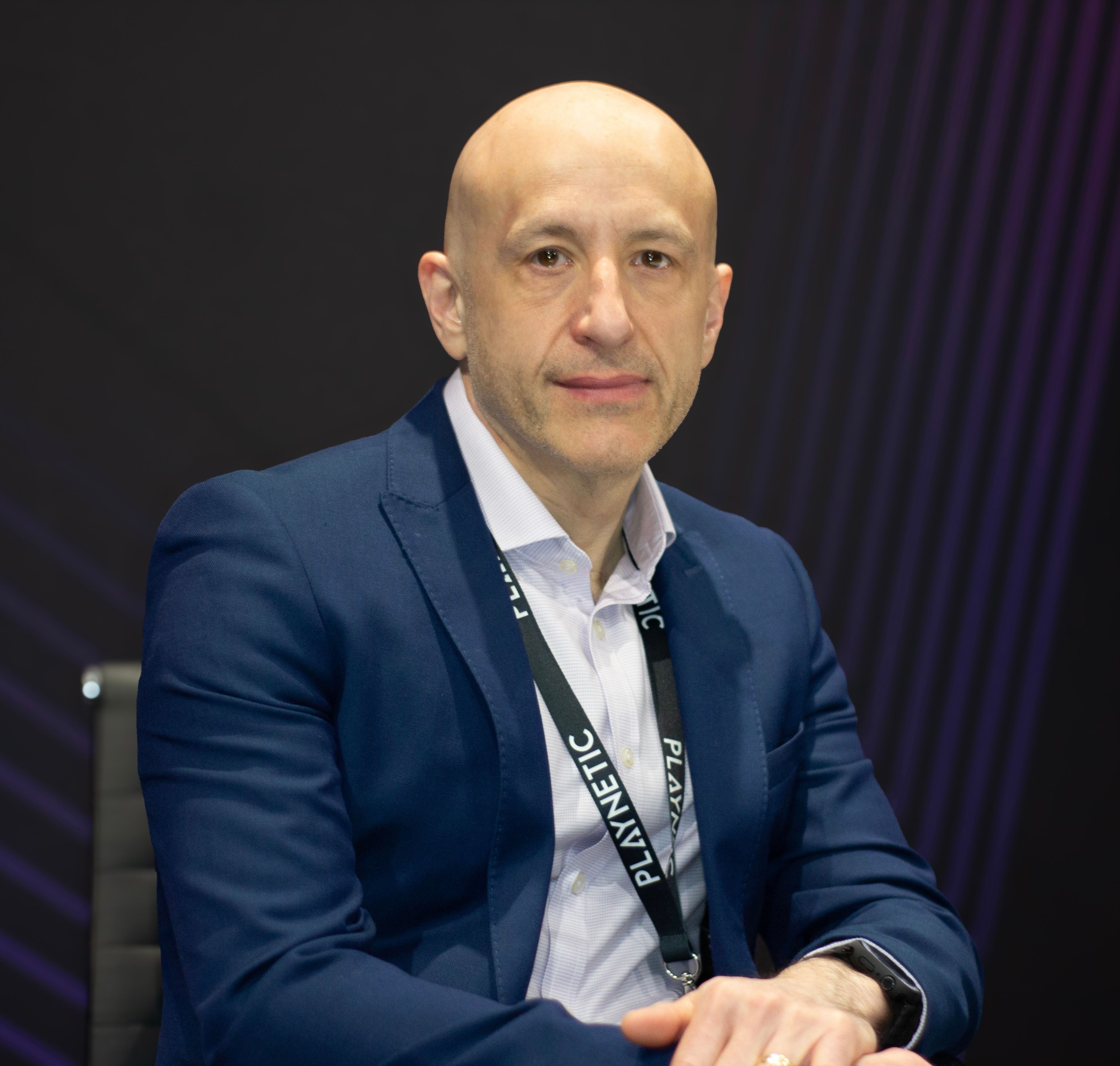
Over three decades, Dan has built a distinguished career that has taken him from the casino floor in London to senior executive positions within some of the world’s leading regulated betting and gaming organisations. His experience spans online, retail, and social gaming across both B2B and B2C sectors, establishing him as a respected figure in the global gaming industry. Before joining Playnetic in 2023 as CEO and subsequently as a Non-Executive Director, Dan held a series of Director, Vice President, and C-level roles with major groups including Playtech and what is now the Entain Group. In these positions, he oversaw end-to-end product, service, and operational portfolios, managing large-scale teams and P&Ls while driving innovation, regulatory compliance, and expansion into new markets. Alongside his corporate leadership, Dan acts as a trusted adviser to a range of global Tier 1 operators and SMEs, leading initiatives across sports betting, iGaming and casino operations, technology, regulation, product & people development, M&A, and market entry strategies.
Key topics discussed
00:00 – Intro
03:00 – Learnings from the casino floor.
06:00 – The llack of self-exclusion tools and building early operations.
09:00 – Launching mobile bingo for the iPad when the market was uncertain.
12:00 – How to challenge experts when the pit of your stomach says something is wrong.
15:00 – Losing Betfair in week one and boosting business value through hard cuts.
19:00 – Imposter Syndrome at the top: Managing the "loneliness" and infallibility of leadership.
24:00 – The people you have are the people you need.
34:00 – The 50/25/25 Rule: you will never get 100% of people on board.
38:00 – The Power of "No": turning down deals is a leadership superpower.
Key takeaways
Admit Your Limitations Early: The most dangerous leaders are those who "wing it." Admitting you don't know something builds trust and allows you to seek expert advice to make better decisions.
The Reputation of an Exit: Even in a crisis, managing a transition professionally (as Dan did with Betfair) preserves long-term industry reputation, which is more valuable than any single deal.
Stop Trying to Get 100% Alignment: Use the 50/25/25 framework: 50% are with you, 25% go with the flow, and 25% focus on themselves. As long as they aren't disruptive, focus on moving the 75% forward.
Hire for the Pivot: In a fast-moving industry like iGaming, you need a mix of people who can handle sudden strategic shifts (e.g., Flash to HTML5) without dragging their heels.
The Strength of Non-Creativity: Recognising you are an "operator" rather than a "visionary" allows you to surround yourself with the right creative mix to balance the business.
Memorable quotes
"I don't know is powerful. I would rather someone says, 'no, I don't know. Here's how I'm gonna find out.'"
"It's kind of lonely at the top. There's still a feeling that as the leader of any business, you are kind of infallible. People look up to you and you struggle with that."
"I hate surprises. If you don't know, tell me—it's not a problem."
"I’ve done a number of commercial deals by saying no 10 times until it becomes yes."
Important links
Episode Transcript
Read transcript
Dan Phillips: [00:00:00] Sometimes people don't have the confidence to say: I don't know. And I don't know is powerful. Right?
I would rather someone says, no, I don't know. Here's how I'm gonna find out. Or together this is how we'll go and learn.
Rather than quietly going off from Googling it or now going on to AI and asking AI to do it for them.That for me is a concern. If you don't know, tell me it's not a problem.
Dan Phillips: That was one of my first experiences really of having to go into a business to look at it strategically and take some hard decisions. Which involved, you know, cutting people.
There was a big office in Singapore and lots of people, and that was one of the first areas that we let go. And then behind the scenes, you know, the owners, I think were looking and had been looking for an exit for sort of some time.
Getting those couple of extra deals done, at the same time as Betfair was leaving,
we sort of managed to I guess boost a little bit of value to the business whilst cutting the cost base to put it in a position to sell.
So it was really a learning for me. The processes of going through redundancies, making people redundant, how to do that, understanding the legality of that. I had no idea about employment law in Singapore, for
example right? [00:01:00]
The old cliche: it's kind of lonely at the top.
I had these shareholders I could speak to and, you know, ultimately the owner but there are other environments where you kind of don't have that.
I think there, there's still afeeling that as the leader of any business, that you are kind of infallible, right? People look up to you. That's something which I think people struggle with. You know, I certainly struggle with that.
right?
Leo (2): Hey, welcome to the iGaming Leader Podcast I'm your host, Leo Judkins, founder of the iGaming Leader Mastermind. And on this show, I sit down with some of the most inspirational and forward thinking leaders in our industry, diving into the real challenges, high stakes decisions and lessons. That shape our
industry
If you are a VP director or an executive in iGaming, this podcast is built for you.
Before we dive in, a quick thank you to our sponsor Sum Sub, the full cycle verification platform. Trusted by top iGaming operators worldwide, sum sub helps onboard players quickly stay compliant and prevent fraud all without slowing growth.
More information in the [00:02:00] description. .
Leo: Hey, everybody. Welcome to the iGaming Leader Podcast. My guest today started his career as a trainee dealer at a Ladbrokes Casino in London. 30 years later, he he'd run a 2 billion turnover business at what is now Entain
led Playtech's entire UK operation across 10 subsidiaries and 700 people, and built a game studio from scratch, licensed in seven jurisdictions in under two years. Dan Phillips here sat at the table during some of the biggest regulatory changes, m and a deals and market entries this industry has seen.
And this is not just a career retrospective. We're gonna go into the specific decisions, specific moments and what they actually meant. Dan, welcome to the show.
Dan Phillips: thanks, Leo. That was some intro, um, makes me feel very old, but also, I should point out all those things you listed. was a lot of people around me, which I'm sure we'll get into and, and it was a big old team effort on lots of those things. And, just happy to have been through [00:03:00] some of those changes and yeah, it's, it is a long way from, dealing cards in a basement in soho for sure.
Leo: we were just talking about it off camera 41, right? You said? So just spring chicken. You are all good.
Dan Phillips: know. Or, you know, tough paper round
Leo: Yeah.
Dan Phillips: as some, some might say.
Leo: I'd like to start, at that actually, Dan the casino floor. it's a while back, but most people, at your level, they came up through, specific, uh, like finance or tech.
What did, um, dealing cards in London actually teach you about this industry and, things perhaps that you couldn't have learned anywhere else?
Dan Phillips: yeah, I mean, I would like to say there's been a grand plan over the last 30 years, but I'll be lying. I, did a business, diplomas and, went through, the educational route that I thought I should go through and. actually realized quite early that that academic really wasn't for me.
I was quite a late developer kind of academically. and I had family connections in casinos. So actually my dad came through the casino route. He was working in London in, in the, in the swinging sixties. he said to me, why don't you go on this [00:04:00] training course with Labworks?
'cause I know the guy who's running it. And, I sat in a room with them for eight weeks in Rainers Lane, it was completely kind of new to me from that perspective, but it obviously taught me a lot just in terms of people interaction, in terms of
Leo: Yeah.
Dan Phillips: of a player, the good, the bad, you know, and what works and kind of what doesn't work. then when I moved online and, I joined, Europe at, in the Woking offices. And then, I helped 'em launch their first online casino. And I came out of, you know, dealing colds on a Friday night into a boardroom on Monday morning for the first time, which was a shock to my system and a shock to their system, I think as well.
And was a case of, you know, they said to me, what should we expect? And I was like, well, this is what I think we should expect from my experience. But online was all new, right? So we launched and, it did very well, very quickly, and that quickly spiraled Europe into Coral Tag Gala. And, as you said at the outset, everything, which is now the Ang group, so great days to learn. And I've taken those learnings with that customer mentality. Always try to be. Consumer first, right. [00:05:00] what would the consumer thing and trying to make the experience as close to reality as possible.
I think that's why the success of Live Dealer has, been what it has been, over a number of years. So, yeah, really I think the ultimate point is really that customer first
Leo: Yeah. Yeah, I think that's, I think that's true for almost everybody that comes from, you know, any sort of customer support area, dealer, whatever that might be is, is that you think customer first instead of perhaps KPI first or business first. So,
Dan Phillips: Yeah,
Leo: tell me a little bit more about that move all the way up to, digital gaming director, at Gala, coral, Dan.
Like, what were some of the more pivotal. moments that happened in your career to make that trajectory?
Dan Phillips: I think, you know, for quite a while I was the, you know, the online gaming guy, right? And it was a big, big retail business, to Europe. I had the, which was a telephone betting business originally. and they put up a webpage right,
Leo: Mm-hmm.
Dan Phillips: odds. And then it was telephone betting that obviously developed it then into the online platforms, Coral came in.
so it was, it was really, you know, as I say, learning as we went, learning [00:06:00] by a lot of mistakes in terms of the types of products that we were putting out there, how we were dealing with customers. You know, there was a point where. You know, the customer service team, which, understood the mechanics of taking a bet and, and the mechanics of the process were then having to deal with customers coming in with these new online problems.
And a
Leo: Hmm.
Dan Phillips: of that in the early days was forgotten passwords and, you know, the usual sort of stuff. And now, which is pretty much automated, but then it wasn't, it was quite manual. But, you know, I can remember thinking, oh, I need to step up here or step on, because calls were getting put through to me where someone's, you know, in the early days saying, oh, I think I might have a problem.
Leo: Yeah.
Dan Phillips: I'm gambling too much, and we're talking about the early two thousands and there weren't, the self-exclusion mechanics that we have today and. Time outs and the alerts and maximum spends and so on and so on. and I'm thinking I'm not qualified for this, right.
to talk to people about potential problem. then we invested in specific teams and people and we, partnered up with GAM Care and Gams Stop and those early kind of adopters [00:07:00] of that. And realized that we had to build out a team, not just from the expertise of that, but in terms of a full operation.
and then we started spreading out, and then we took on new partners in different parts. It was mainly, a European focus business in, Greece and Scandinavia and other parts of the world in Italy for sure. so making sure that we were localized enough to be able to deal with individual, issues that were coming through or things common to that area. that was, and that was one part of it. And then the next part of it was actually, you talked about KPIs, earlier, and it was customer first. It was, yes it was. But then we were thinking, well commercially, you know, we're outsourcing pretty much our gaming platforms to a
Leo: Yeah.
Dan Phillips: to a number of providers. so then we were actually one of the first operators to bring in our own development studios and then to run those in parallel. So that gave us the ability to, to work the partners harder because we
Leo: Mm-hmm.
Dan Phillips: product. and that was where I guess my commercial brain kind of kicked in somewhat. thinking about how we can optimize that, and the best ways to get the best [00:08:00] out of partners and how you deal with them versus how you deal with internal and so on and so on. So it was that real kind of learning curve and. You know, looking at others coming along and, you know, we were one of the first partners.
Then, I can't remember exactly when it was 2004 five, we did one of the first deals with evolution for their live data product. And it was their version one effectively. and we were learning from them and they were learning from us. and then back in the days of chart, which we'll talk about later, I think.
Leo: Yeah.
Dan Phillips: Media and Crypto Logic and, you know, some of those guys. And then, you know, like, as I said, the likes of evolution came along and then Playtech came along later and so on and so forth. So it is kind of seeing that,seeing that evolution, but. I tried to keep myself and even to this day, you know, abreast of what's coming along.
'cause when we, when I joined it was,it was sports and then casino tagged in, and then it was poker came along and then bingo came along. And then the rise of mobile seemed to be three or four or five iterations before it finally hit with, You know, with Mr. Jobs, launching the iPhone.
Right. And, I can still remember the arguments back and forth about should we [00:09:00] focus on Blackberry over,
Leo: I remember those separate wallets and all sorts. Oh my God.
Dan Phillips: you know, even during my time at Playtech, there were debates early on. should we build mobile first or should we build desktop first?
Leo: Yeah.
Dan Phillips: think, oh, that's just a ridiculous thing to say
Um, but back then, who knew? Right? and that's what this industry throws us. And then obviously the regulatory pieces we went through. we were working, we had a poker business which then got hit by the US shutdown, pre US regulations, the ui, GEA, that shutdown we went through.
We had the smoking ban, in the uk, which impacted retail. With the two pound Ty limits, and through to where we are today with the enhanced responsible gaming and, then the increase in taxation, which has again, changed everyone's view, certainly, you know, in the UK about, about how to run a,a commercially viable business, I guess.
Leo: Yeah. And that's the thing, isn't it like that we all know it from, gaming, it's just keeps you on your toes. There's always a curve ball come in But in that whole trajectory, Dan as well, like you've gone through some really big kind of movements in your career as you progress.
That comes like every single person I talk to that comes [00:10:00] with, some sort of insecurity as well. I suppose you haven't figured out the next level. You're not sure what you're stepping up and you're not quite sure how to do it yet. Have, how did you deal with those kind of, um.Those kind of moments, was that more of a, I'm just gonna figure it out, work harder? Was it more of, I'm gonna educate myself? What, how did you deal with those next levels? Every time.
Dan Phillips: I mean, I would say, uh, maybe this is the,the arrogance of youth or the, kind of invincibility of youth perhaps
Leo: Yeah. Yeah.
Dan Phillips: a better phrase.
didn't even cross my mind thinking, oh, this poker's just arrived. I know, I know. I play poker with my mates on a Friday night. we'll launch poker, right?
Leo: Yeah.
Dan Phillips: and we did, and again, you made mistakes and then, and then you learn. But, it seems to be a bit quicker, maybe as, as your younger things kind of sink in sinking kind of quicker. but when it came to some of those things I mentioned earlier, like a sensitive call from a customer, you know, the alarm bells at the back of my head go, I think I can't wing this, this,
Leo: Yeah.
Dan Phillips: that's not fair on anybody. And, you know, including myself.
and that's when I thought, okay. Now I think I need to understand what I'm good at and, but then actually [00:11:00] identify, I don't know this, right? And whether that was in that customer service area or whether it was in more detailed, you know, compliance, you know, regulatory side of things. know that some of those big documents come through and you know, your heart sinks when you start reading them because, ever been the most academic, but reading these, some of those documents saying, this is heavy here and
Leo: Yeah.
Dan Phillips: wanna make sure that I understand the nuance of this right.
Leo: Yeah.
Dan Phillips: then bringing in people and talking to people that maybe that is more of their area. and having, helping them help me to disseminate, to make sure I can make the right decisions based on the information.
Leo: Yeah.
Dan Phillips: I can't remember whatever that tipping point was or what Agile was at, but there was definitely a point where I thought, okay, now I need to focus and take a bigger view perhaps.
And then delegate more. Right. Which I'm sure you hear, lots of having the confidence to delegate and, that's, come back and bit me a couple of times where you maybe over delegate or you,put your trust in people who may be, winging it themselves.
Right. And you don't
Leo: Hmm.
Dan Phillips: that until it's too late.sometimes people don't have [00:12:00] the confidence to say, I don't know and I don't know is powerful. Right. I would rather someone says, no, I don't know, here's how I'm gonna find out. Or together, this is how we'll go and learn.
Rather than, oh, you know, they're quietly going, going off from Googling it or back in the day, or now going on to AI and asking AI to do it for them. that for me is a concern. You know, even to this day when I'm working with people is, if you don't know, tell me it's not a problem.
Leo: Yeah.
Dan Phillips: but the other side is.
Leo: it's one of the hardest pieces. Huh. I think there's two areas there. One is that people sometimes feel that they're, maybe they're afraid or something to say, I don't know. So, first part of the question is, have you found a way for people to feel comfortable enough to say it?
And second part of the question is. How do you actually figure out if somebody's winging it and not telling you that they don't know?
Dan Phillips: Have I found out a way to spot that? Probably not, not as well as I would like. I think I'm you know, my view on people generally is, open-minded and I want to think the best of people. Right.
Leo: Yeah.
Dan Phillips: I'm not, you [00:13:00] know, for example, I'm not, you know, a technologist per se, but enough time has
Leo: I.
Dan Phillips: for me to understand broadly how long things should take and broadly how
Leo: Mm-hmm.
Dan Phillips: I'm gonna tell, if you like. And, it gives me something in the pit of my stomach that says this needs to be challenged. I've done as well is that, if I'm not sure about something. I've often said to people, okay, that's great.
maybe we should go and get a second opinion.
Leo: Mm-hmm.
Dan Phillips: then you can see people's reaction to that. and I'll ask people, you know, upfront, you know, I never do that in a public forum, but, you know, quietly, you know, often I'm over a coffee. you know, look, this is between me and you. If you're not sure, you know, that's fine.
Leo: Yeah.
Dan Phillips: Um, I have been caught out. Um, you know, and it's, and it's happened, relatively recently, Inevitably, there's so many moving parts to this business and this industry that things get identified relatively quickly, thankfully. on occasion where it doesn't, then you have that backup plan, right?
my backup plan is. from my consulting period, which I'm, doing now is [00:14:00] that, I have a network, right? and when a project comes over my desk and it's something that's not my area of expertise, I go to my network, and I know the guys that I can go to I guess the challenge now is when that network ages, and new technologies come along and new processes, it's finding the next generation of people, and that's
Leo: Yeah.
Dan Phillips: part of what I'm exploring now. And reaching out to, and it's why I, still go to trade shows and do things like this is because, you know, I wanna find that those next people, because, the next generation, you know, are the future cliche as that may sound right.
so it's identifying that. And then hopefully helping them with some of the other parts of running a business or managing people. on that kind of softer side of things. some people may say I'm a little bit impatient perhaps sometimes, and, I've been challenged with that and, I like to get to the point.
but, I would rather someone. Tell me what's up. And I hate, I hate surprises, right?
Leo: think it's, it's like time is valuable. So getting to the point and being impatient, I think is exactly the right thing to do because, very often we, uh,tend to dance around something for way longer than necessary just [00:15:00]because of politics or whatever it is, you know, and it's just a waste of time.
we were talking about 2009. you became CEO of Chartwells games business in, in 2009 days into the role, uh, Betfair, your biggest customer gave notice. Business was already struggling. Can you take me back to that moment? you've just stepped into that CEO chair and the biggest customer walks.
what did that feel like and what did you do in that first week?
Dan Phillips: Well, it wasn't great, that's for sure. Um, I, um,I'd been a, what was Gala coral, for eight years. And, this opportunity came along so that had been B2C and before that had been the casino. and the B2B side was rising. And I was interested in sort of looking at it from that perspective as well.
And timing's worked out. Chart would've been, you know, where a partner, of, of guard of Coral. So there was a natural kind of move into that.
Leo: Yep.
Dan Phillips: actually at that stage the business was, gone over its peak, if you like, and was in slight decline. That was at the same time that the Playtech and others were, you know, rising up.
so I actually joined the business, [00:16:00] initially in a different capacity for a couple of months, and then moved into the games side of things, which was effectively running their European business there, Canadian business, but running their kind of European operations. And then, yeah, you know, you get a phone call kind of a few days into that role.
Can we have a chat? Farrow decided to go in a different direction with a different partner. So it was really, first of all to speak with them, to understand the reasons, understand what we could do and what we couldn't do. and we took a view and I took a view that, we could get upset about it, we could potentially focus on other partners and be difficult. But the idea was that we wanted to. Work with 'em for as long as possible. and to help them with their transition because they've been good partners for, because ultimately I think, reputation, is important. And that's one of the things that I stand by. So, at that point, um, we went back to the owners of the business and the shareholders. It was a public company, Chartwell. we obviously had to announce it ' cause it's a public company. One of the things I did pre coming in was I did have two sort of large deals lined up. So we focused on [00:17:00] those,
Leo: Yep.
Dan Phillips: through the business as quickly as possible. So that's where I took my focus is getting those deals done, which we did do, which helped soften the blow a little bit, but actually, One of the, the biggest things actually coming in, oh, you knew we need to look at the cost base because there was a, there was, you know, quite a heavy cost base and how we could optimize that. And That was one of my first experiences really of having to go into a business to look at it strategically and take some hard decisions, which, which involved, you know, cutting people.
Leo: Mm-hmm.
Dan Phillips: they had a call center in Singapore, for example, 'cause they had previously had an Asian business which had closed down, but still there supporting the global business. There was a big office in Singapore and, lots of people, and it's not the cheapest part of the world, you know, to operate.
So and that was one of the first areas that we let go. And then behind the scenes, you know, the owners, you know, I think were looking and had been looking for an exit for sort of some time. So getting those couple of extra deals done, at the same time as Betfair was leaving.
We sort of managed to. I guess boost a little bit of value to the business whilst cutting the cost base [00:18:00] to put it in a position to sell. And the business ultimately sold a couple years later to, I think it was a Mayer Gaming at the time,
Leo: Mm-hmm.
Dan Phillips: into other businesses as the industry has, has kind of evolved.
So it was really, you know, a learning for me, like a prioritizing, you know, what we needed to do to manage. I think bet fair as professionally as we could and should get those deals done, but also look at that cost base and I think learning. The processes of going through redundancies, making people redundant, how to do that. understanding the legality of that. I had no idea about employment law in Singapore, for
example rightand then, doing that as professionally as possible. and, you know,to the, so my role kind of came to a conclusion when all of that concluded, which was a couple of years later. So it was quite a
Leo: Yep.
Dan Phillips: in a couple of years.
and I thought actually, actually that point. I've taken that as far as I could in terms of what it needed to be done, and then it's now moving into something else, which maybe I didn't wanna be part of at that time.
Leo: so Dan, like [00:19:00] strategically sound decision making, and looking back, you know, that's, that's, The emotions are probably kind of out of it, but I'd, I'd love to hear how that was on, the minute that you heard it, because you're just in that chair, you know, like, it's not your rational, I dunno.
Does your rational bearing kick in at that moment or are you like,
Dan Phillips: think I
Leo: what,
Dan Phillips: had a moment, I can't remember how long the moment
Leo: yeah.
Dan Phillips: been minutes, it could have been days, I don't remember now. But it felt, there was definitely a moment where, you get that sinking in your stomach. I've gotta ring up the chairman and the board and tell 'em this news.
And my first thought was, oh, it's obviously me. And they obviously don't rate me. Right.
you know, I knew the be fair guys, and, I'd worked with 'em. we did a couple of projects together in my previous roles and, they were very nice about it.
Leo: Mm-hmm.
Dan Phillips: it worse,
Leo: Yeah.
Dan Phillips: it was all very friendly. And, um,so, you know, it definitely with that, you know, a feeling of, well, maybe it's me, maybe I'm not good enough, and that, you know, the kind of imposter syndrome, I, I think actually the charter management, senior management, you know, were very supportive of that. And I'd only been in that role for, a short period of time, I think that they [00:20:00] understood the reasons why, that had happened. And actually that was then some introspective around. Chartwell I think had spread themselves too thinly. Which was part of the reason, that Betfair. Made that decision I think
Leo: Yeah.
Dan Phillips: they were a casino business, and then they branched off into poker and into bingo and tried to do too many things, and I'm sure for all the right reasons at the time, those decisions were made.
but ultimately that I think was part of the challenge. But I mean, once I kind of got over that, I thought, no, actually we can, we need to now make the best of it. And then clearly moving into that, those areas of redundancies, and this is, where it's not on a spreadsheet, you know, I've worked with some,management and owners and founders who just see numbers, right?
They
Leo: Mm-hmm.
Dan Phillips: you know, our salary base is, I don't know, 50, 60, 70%, of our revenue, but they don't necessarily know their names and faces behind that. and maybe they've seen the roles that I've been in and people like me as that proxy
Leo: Yeah.
Dan Phillips: that we do that.
But you know, I was often the,The respectable [00:21:00] face or the, the
Leo: Yep.
Dan Phillips: pass the message on, hopefully with a bit of, you know, feeling and, understanding.
Leo: Yeah.
Dan Phillips: and it's not everyone's, it's not everyone's thing, right. you have to be clear.
You have to be focused and, listen and let people have their say, you know, some people, explode and some people go very quiet and some people shed a tear and, you have to let them do that and then go through a process, but, you know, kind of keep it respectful.
Leo: I've always find that really intriguing, the, the tension between those two things of, on the one hand of the utter shock that you have yourself, right. Like an event like that happening where you go, alright, our biggest client's just canceled and we, I know that, that we're already cost heavy and this is going to, you know, be a massive issue as but on the, on the other side of that is you needing to be like strategically secure. You know, you, you're, you're the face, you're the CEO, right? You're the face of the business. You've now gotta communicate to staff. You've gotta have a clear vision. [00:22:00] Like those are two opposite sides that. I think are extremely difficult to manage and things that often don't, well, they don't get spoken about enough, I don't think.
because yeah, you carry all of that along, right? You carry all of it along and you need, you know, you need to do both things.
Dan Phillips: Yeah, no, for sure. And,again, the old cliche is kind of lonely, it's kind of lonely at the top, right?
I had these shareholders I could speak to and, you know, ultimately the owner but there are other environments where you kind of don't have that, that's why, I'm still, very friendly and, I have a peer group and I have WhatsApp groups with people I work with, over the years. we can share some banter and we meet up for the occasional drink. it's a safe environment where you can ask questions, right?
Leo: Yeah.
Dan Phillips: know, I think there, there's still a, a feeling that as the leader of any business, that you are kind of infallible, right? And.
Yep.
You know, people look up to you. and that's something which I think people struggle with. You know, I certainly struggle with that, right?
Leo: Yeah, I think we all do. Yeah,and it's something that, I dunno, well, it doesn't get advertised, obviously, you know, you're not gonna go to ICE and talk about I've got this failing business and I need to [00:23:00] stand there and be super confident about where we're going in the next three years.
It just,
no body talks about that.
Dan Phillips: Exactly. Exactly.
Leo: okay. I wanna talk a little bit about, Playtech, if that's all right. So, you ran Playtech UK from 2012 to 2018, 10 subsidiaries, 700 people.
Dan Phillips: yeah, so that kind of brought up over time I actually joined them to to run the bingo business. 'cause they'd
Leo: okay. Yeah.
Dan Phillips: a couple of years before I joined. And the management or the previous management had moved on and I had my bingo experience from the gala days. So I came in to, manage that part of the business, which was very successful and continues to be. And then, with all the shared UK offices, and actually Playtech at that point had been through a big kind of acquisition, tranche of deals. five or six had happened over a couple of years.
So I became kind of the focal point. Each of the
Leo: Yep.
Dan Phillips: had their own management teams. And I took some kind of oversight, which was great because I got to learn about. parts of the business. 'cause they bought a game aggregation business in what was GTS and bought, Ash Gaming and they bought a number of other businesses.
And then they started buying businesses, which were new to me in [00:24:00]terms of, responsible gaming type entities. they bought your, I think the guy, the poker strategy
Leo: Yeah, do.
Dan Phillips: I'm not
Leo: Yeah. Dominic and Eric.
Dan Phillips: there then.
Leo: I had just left. So we were,
Dan Phillips: left.
Leo: yeah,
Dan Phillips: Yeah.
Leo: whole poker market had collapsed, so they got a bit of a steal there.
Dan Phillips: you guys were out in gym, so it didn't really
Leo: Yeah.
Dan Phillips: but there was an overlap. So
Leo: Yeah.
Dan Phillips: you know, Playtech gets lots of, is in the headlines for lots of reasons and, I'm not gonna get into those. But, I had some very good years there and met some amazing people and, some very good people there for sure.
Leo: One of the things that you said is that, the real question in that period is who, when, and how to hire the right mix of people, cultures, and experiences in a,in a truly global business. True in any global business. what did you get wrong before that, helped you understand that that was the key thing to do?especially in a global business, because I think we, like,we kind of think about ourselves and how we work, and we want to implement a blueprint that is just copies of us, and then we realize, all right, that's obviously not gonna work in these different cultures.
So what were maybe some of the walls that you ran into where you thought, oh my God, I need to have a better mix here, or I need [00:25:00] to, hire better in this kind of scenario, this kind of environment.
Dan Phillips: so in, I mean, I play tech and other companies, you know, I came into an environment where I, there were already teams in
Leo: Mm-hmm.
Dan Phillips: so I kind of inherited those teams. And like any new manager coming in you are looking at them, but they're looking at you as well. Right.
Leo: Yeah.
Dan Phillips: So you feel that spotlight of being, reviewed, judged, perhaps. so my view has always been, to try and look and listen first. Right? So understand I'm, I'm a general believer, in. the people you have are the people you need, right? It's just making sure you get the best outta them.
Because to go through a hiring firing cycle is, it's not good for anybody,
Leo: No.
Dan Phillips: It's just inconsistent. It creates distrust. Um, and it doesn't work in any industry, I think, in any environment. so, you know, coming into Playtech was, I've been in this very successful kind of gala, coral business.
Then had that couple of years at Chartwell, which was up and down. coming in thinking, I mean, am I good enough for this? Right? You know, these guys are winners.
[00:26:00] And winners. And winners, right? Um.That was one of the first things they said to me, we are winners. Right? And that was kind of stuck in my head. so I'm thinking, well, shit, if I got anything I can help these guys with. so, you know, you come in and then you know, you look and you listen, and then over time you get to know people and you get to know their strengths and weaknesses.
And that was what I tried to do and still try to do, is understand each person's strengths and weaknesses. Looking at where we need to grow. Looking at some of those experiences that I had with Chartwell just to say, well, we were spreading ourselves too thin here, and that ultimately caused a problem.
So a decision made three, four years ago kick in until four years later so we definitely identified that, you know, um,especially then because I think, Yeah, I dunno which springs to mind, but I think, you know, like the iPad had just become the next big hot Christmas gift, right?
And we had a mobile version of Bingo, but it wasn't quite optimized for it. And there was a big decision about can we, could we, can we, should we get it ready for, December. So whenever it opens up their Christmas presents that they've can [00:27:00] play bingo in landscape rather than poor trailer. and it was a case, okay, we're gonna have to stop doing X, y, Z projects to be able to do that. Then getting pressure from some of the big customers because they want to do this, do this, that, and the other. So it was putting all of that into the mix and looking at the people and thinking, right, do we have the right people to understand what, what we need to do?
if we decide that we want to shift a strategy from A to B or X to Y short notice. Can they deal with that? How do they cope with that? Because it may have been on this trajectory for weeks and months or maybe years. Now we're gonna say, pause that and go and do that. But here's the reasons why, right?
I'm not sending you blind into.so that was a challenge. So I learned a lot about people from that perspective. Some people didn't like the way that we were approaching it, or, or, or I was approaching it, and that they raised their concerns. And I certainly listened and, and I adapted as well. Some people decided it wasn't for them, and I was like, okay, it's not for you. if you wanna move on, then you. I support you, good luck, you know, write you a nice reference and you know, good luck. And again, that definitely happened. There were a few people that left in [00:28:00] senior roles and, um,you know, I was still a good, good contact with them and, know, they're part of my network today. and then going through that process about then, know, rehiring, I guess at that time as well, we'd seen, as I mentioned earlier, the growth in compliance and responsible gaming. And it, you know, it stopped being the kind of. You know, internal, like half smile of business limitation department, ha ha ha
very quickly became no business.
Very important. And then became, a big part of that. so that was all new to us as well to them as well. So that was putting those processes, in place. But I think, it's the question around identifying people's strengths and weaknesses. I think it came outta those challenges, right?
And asking them to change, there was some. Technological processes that had been in place for a long time, which needed to evolve. but we switched from flash development into HTML five development
so we said Right.
Not building anything more in flash. Right. though it was still a thing, it would be a thing for a couple more years. Right. then decided to build everything in [00:29:00] HTML five, which had initial pushbacks because it wasn't maybe quite, as slick for older devices. But in hindsight it would've a mistake not to do that. Now, technology's moved on 10 times since then. so those were some of those decisions that not everyone kind of came on board with, you know, it was like, are you on the bus or not on the bus? So, you know, if you, for me, it's a case that. everyone the opportunity to have their say. Right. You know, you debate, you discuss, you take it all on board. and then between a group, whether it's a small group, never just one, never just me, but you know, with your trusted peers and, and managers and you know, experts, you make the decision. And once decision is made, I, I expect everyone to support that decision.
I
Leo: Yeah.
Dan Phillips: anyone then dragging their heels. That's the case of when you have that discussion, you say, well, maybe this is not for you.
Leo: Yep.
Dan Phillips: on board or you're not on board with it.
Leo: through all those hiring decisions,
Dan Phillips: Dan, we also see people that surprise us, right? Like, let's talk about the positive ones, not the negative ones, but we have people that surprise us that, really accelerate in their careers, [00:30:00] really step up. They do things that maybe we hadn't even seen in them before when we, when we started hiring them.
Leo: And,Who's maybe someone or who, you know, can you, can you talk about someone that has really surprised you and perhaps what you had missed initially, or what you would, what kind of happened where you saw, oh my God, this, this person's really accelerating in their career?
Dan Phillips: I think I, you know, I looked for, people going through a similar trajectory maybe, you know, I went through
Leo: Okay.
Dan Phillips: lot of that was youth related,
Leo: Mm-hmm.
Dan Phillips: people coming in, in their, first job out of uni, second job, maybe kind of early, mid twenties. they're living the dream, right? single, no kids and, maybe earning decent salaries for the first time. and then, seeing how serious that they are and, how focused they are on deadlines or, are they coming in a little bit worse for wear, maybe once or twice a week or too often, perhaps. And maybe initially, not writing those people off, but putting them in a position of, okay, talented, but I rely on them,
through to [00:31:00] actually then later on thinking, can I help them? Right? Can I advise them somewhat, you know, within the realms of, keeping it professional of
Leo: Mm-hmm.
Dan Phillips: dunno what goes on behind people's closed doors and I guess no one does. Right. at Playtech we actually brought in, coaching teams within the HR structure mentoring teams. And I think that was initially. Looked down upon a little bit, but I think
Leo: Hmm.
Dan Phillips: saw the value because it was kind of anti to the culture originally. but again, I don't necessarily want to name people directly, but there was definitely people that I saw over a period of time, almost had the realization that I had that, actually I've got an opportunity here, that I can put my mark on something, whether it's a product or a new partner or a new market entry, or whatever it may be. And maybe kind of step up and that might be as they got a little bit older or maybe they then got a serious partner or they had their first child, or there was something that triggered in their head thinking, okay, I need to take this seriously now. and there were some people that I never saw that in. And they've subsequently gone on to [00:32:00] be, senior C levels at other companies. And it's just a case of people develop at different times, right?
Leo: Yeah.
Dan Phillips: maybe I didn't give them the kick that they needed.
Leo: Yeah,
Dan Phillips: maybe I still needed a kick today.
Right? we all need a kick, right? So I think it was part of me initially thinking, I need you to deliver X, Y, and Z. And that's the most important thing to me.
Leo: yeah.
Dan Phillips: how they reacted to me as well, right?
Leo: Yeah.
Dan Phillips: kind of got what I asked for to the point where I gave them maybe a bit more of a remit and said, look, I don't know the best way to do this.
You know, you come back and tell me, right? You know, you give me the options, rather than me telling you this is what we need. Or if you think we're wrong, come up with the reasons to do it. So there are a number of people that rose to that challenge, a number that didn't, Five years later, a number of people that I bumped into, at events, you know who I've said openly, wow, you know, you really surprised me.
Leo: Yep.
Dan Phillips: well, right?
Leo: yep.
Dan Phillips: have said to me, I didn't think you were gonna develop into a manager.
Leo: Yep.
Dan Phillips: And I've initially, my back went up, oh, okay, that's a bit rude. But then, but then you realize, actually that's obviously how I was presenting myself, you know, at that time.
Leo: Yeah.
Dan Phillips: take anything, [00:33:00] too personally.
Leo: What do you think that is done, by the way? Like what, what is the fuel that helps people change that trajectory, if you will? You know, we see something in someone and we think, oh, well gonna be. Mediocre and then all of a sudden they're this super high talented person that's had a rocket ship of a career.
Do you think that that's, uh, you mentioned a few things. Is that stuff that happens privately? Is that, freedom that they get in their career, a project that they can put their stamp on? Is that the right manager? It's, not a single thing, but what do you think it is?.
Dan Phillips: is never a single golden bullet. Right? But what I mean for me, and I've seen, and it's happened to me and maybe other. People see it as well, is it's when you are at a peer level with someone that you do a similar role and you know, similar salary similarly, and then the person next to you suddenly starts moving up quicker and quicker and quicker, right?
Leo: Yeah.
Dan Phillips: that may be, maybe they more engaged, maybe they're, know, got some great ideas, what, you know, whatever it is, and it's then introspective, looking at yourself and thinking, oh, why is that not me? [00:34:00] Now you can go two ways. some people might take offense by it and think there's some conspiracy against them or there's something else going on.
And maybe thinking, okay, what is that person doing? that I'm not, and then that being that trigger to say, okay, well maybe I need to learn some new stuff here. Right.
Leo: Yep.
Dan Phillips: I'm coasting and I'm doing the things that are comfortable.
I'm not getting involved with the projects, which are difficult, which are challenging, which involve. A bit more effort. That might mean I need to stay, at my desk just a little bit longer. And, don't get me wrong, work life balance is hugely important.
I'm a big advocate for that, but just making sure that you are putting yourself out there. And I think that can often be the trigger for some people. Other people, it pushes them. the other way.
Leo: Yep.
Dan Phillips: you know, as much as it's not competitive, it obviously is competitive.
Leo: Yep.
Dan Phillips: sense.
Leo: you talked about a framework before this kind of 50, 25, 25 framework. I don't even know if you call it a framework, but you've mentioned it and I've put it into a framework, but you've managed hundreds of people across your career and that framework was kind of, you were talking about 50% committed, 25% ambivalence, 25% focused on [00:35:00] themselves.
When did you first realize that that is kind of a true statistic, if you will, and how did that change how you lead?
Dan Phillips: Well, first of all, there's no science behind that
to be a true statistic. I mean, originally I thought about it as the third, third, third.
Leo: Yep.
Dan Phillips: I found that was a bit too harsh.
Leo: Mm-hmm.
Dan Phillips: You know, for me it was to the point where I realized I can talk myself blue in the face trying to explain things and some people just won't be on board.
Leo: Mm-hmm.
Dan Phillips: for whatever reason, they don't agree and that's fine.
so whatever it might be, it could be as something as simple as, you know, a new HR policy, right. There'll always be a potential people that that just don't disagree. And it's the same in anything. It's the same in politics, it's the same in any kind of environment, I always think people if you look at someone individually, they're super smart. Collectively, they're not so smart, and you
Leo: Mm.
Dan Phillips: at social media for that, right?
Leo: Yep.
Dan Phillips: look at social media and they read and, the algorithms show them what they want to read and therefore they believe it.
And, that's not dissimilar in business, I think. so I think if I can get, 50% plus, or even if [00:36:00] you include 75% for the people that kind of just go with the flow, I think that's a pretty good percentage of people kind of on that journey with you. And then the other 25% that aren't. Look, as long as they're doing their jobs and, you know, are not being disruptive for the sake of it, then okay. but I think trying to convince yourself that you'll get a hundred, percent people on board a hundred percent of the time, I think is naive. and I think you need to be able to admit that yourself, you know, let alone, you know, it's the business.
Leo: Yeah, makes sense. Um, I wanna talk a little bit about, uh, Playnetic. You've moved from CEO to, to Ned. you've made a deliberate move there, and we are talking about it as, you know, for your own personal development or you framed it as development. So what does that look like in practice?
what are some of the things that perhaps you're able to do now that you weren't able to do before? And, and like, how's that helped you?
Dan Phillips: Yeah, look, it's been a, you know, a, a long held, focus of mine, to move into more of a, strategic roles. to use my experience to,to help others. I mean, you know,when I joined Plan Three years ago now, I think it was, the business was very young. there was a [00:37:00] great idea, there was, passion, and a lot was done very, very quickly to get that live.
And, that's now moving on to its next stage. and I think maybe having done that process before and managed lots and lots of people, it needed more kind of day-to-day. I think, bringing in, slightly younger management team, I think is the right thing.
So that's allowed me to move into non-exec roles. and I'm doing that for a number of companies now. Some of that is official, branded non-exec, some is less official in terms of just advisory, right. Just, being on the end of the phone to help people. I've just made my first investment, into a startup, which is exciting.
And, I'm passionate, more passionate about that. I think I've,that I've ever been about anything. Again, maybe when it's showing money on the line, it's a bit different. You know? it's not huge. it's, but it's interesting.
Maybe it becomes something and maybe it
Leo: Yeah. Yeah.
Dan Phillips: I'm confident it will. so I can offer different support to those guys, and to say, look, if you've got an idea, ask me. Maybe I came across something similar before, and even if I didn't, I've got a view. so I,I'm at that stage where I [00:38:00] can do that because, maybe I can afford to, my kids are both at uni and, I've got a little bit more time, rather than dealing with day-to-day
Leo: Yep.
Dan Phillips: operational challenges and, HR issues and so on and so forth.
Leo: do you think it's also a consequence of just getting older and feeling that you don't wanna deal with that anymore? I'd certainly feel like that,
Dan Phillips: percent,
Leo: know.
Dan Phillips: percent. I mean, yeah, look, I'm not gonna sugar coat that at all. I wanna do things now that I find interesting,
Leo: Yeah, exactly. yeah,
Dan Phillips: right?
Leo: yeah,
Dan Phillips: and again, I'm at a different stage to other people in,in their careers, and they may think I'm, talking rubbish because it's not where they're at everyone does what's right for them for the right reasons. At that moment, I might look back
Leo: yeah.
Dan Phillips: couple years time
Leo: Yeah.
Dan Phillips: there wasn't the right thing to do, but right now it feels like the right thing for me and, I'm enjoying it.
there's new things coming across my desk all of the time, and I jump on them and sometimes I say, thanks, but no thanks. It's not for me. Right.
Leo: Yeah.
Dan Phillips: I think that ability to say no is really powerful as well, right? Just to say, no, it's not for me.
Leo: Yeah.
Dan Phillips: the number of commercial deals that I've done by saying no 10 [00:39:00] times. until, until it becomes yes, and it becomes yes because things have developed. Right.
Leo: Yeah.
Dan Phillips: if it's not right, don't waste my time and I, I won't waste your time, is my sort of general approach, you know?
Leo: I love it. Dan. Great stuff. final question. You are, uh, you're 30 years in now. If you could go back and give yourself one piece of advice, at those tables in 1996, what would it be?
Dan Phillips: hindsight is a great thing and some of the things that this industry has done, I been. So straightforward and, you know, uh,now with, I guess the rise in,mobile and, I just think, oh, I, you know, I've always said, I know we spoke about about Beford earlier, but I mean, what a great, simple idea Beford was back in the
Leo: Yeah.
Dan Phillips: Right. You know, a betting exchange between that and, and that's why. some people are, you know, innovators and creative, and I've never seen myself as that, you know, I'm, I'm more of an operator at heart, right? have a bit more of a visionary view, I guess lots of people might say that. I thoroughly enjoyed my time dealing cards.
I spun the roulette and I worked on the craps table as well. So, you know, did all of that, I think it would be [00:40:00] to. be more aware earlier on of my limitations, you know, and maybe that's just an age thing as well, but, I probably wouldn't have changed anything dramatically. maybe a few things I might have done a bit sooner or maybe left a little bit longer. but yeah, I just think really understanding that I'm not a creative person has helped me greatly, ultimately. whether it be coming up with a great new game design, um, you know, I'm, I'm certainly personally, I think I can lookat a new game and I can offer a view on how to improve it, but I wouldn't have come up with the idea, you know, in that
Leo: Yeah.
Dan Phillips: and that, and that'smaking sure you got the right mix of people around you, right? 'cause
Leo: Yeah.
Dan Phillips: everyone has different skills and I think that understanding is probably something that I would've on a little bit earlier, perhaps.
Leo: I love it. What a great message to finish on bank, on your strengths and back yourself for it. I love it. Dan Thank you so much for, uh, for the interview today.
Dan Phillips: No, thanks Leo. Thanks for, uh, thanks for spending some time with me.
Speaker: Thank you for listening to the iGaming Leader Podcast. If you are a vp, a director, founder, or an executive in iGaming making the biggest decisions alone, that's [00:41:00] exactly what I've built. The iGaming Leader Mastermind for Small inner circles of vetted senior executives weekly hot seats. And accountability from people who understand the effects of the decisions that you need to make.
Find out more and apply at igamingleader.com. And a final thanks to our sponsor, sum Sub, the full cycle verification platform for iGaming operators player onboarding a ML fraud prevention all in one place. More at sum sub.com/gambling. See you next week.